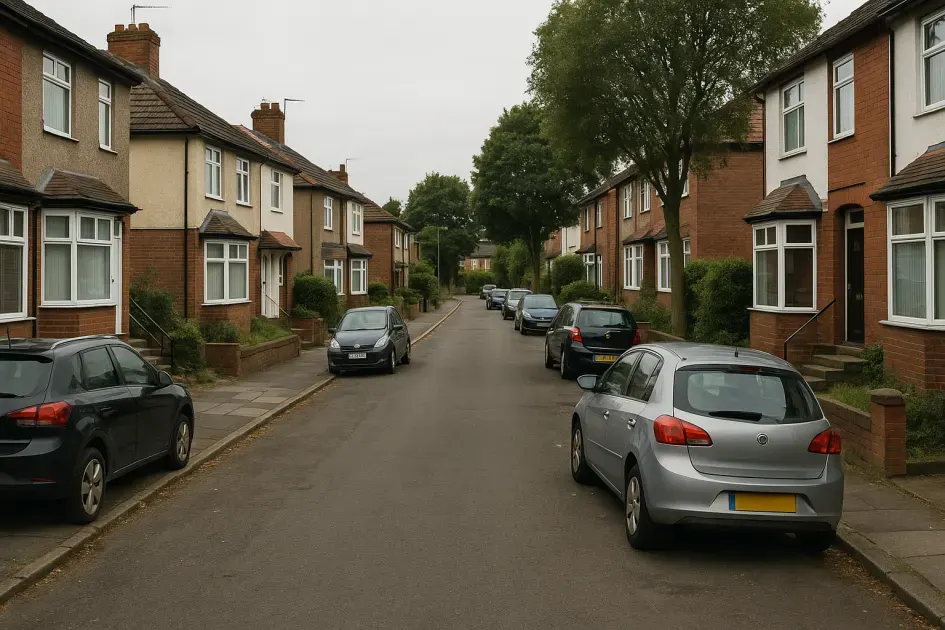
South Liverpool covers a mix of terraces, converted flats, semi-detached suburban houses and newer estate builds. Each property type creates different packing and handling needs: terraced houses in Mossley Hill and Aigburth often have narrow frontages and steep internal stairs; converted flats above shops or townhouses commonly lack lift access; semi-detached homes in Woolton and Hunts Cross usually have driveways but longer garden routes; and new-builds on estate roads in Garston or Speke may have good vehicle access but tight turning circles. Packing choices should be made with these realities in mind so that boxes, furniture protection and the loading sequence match the building and street layout.
Use removals in South Liverpool first for the core service page, then see Liverpool moving timing guide for the broader parent-area picture.
Terraced houses: favour multiple small, strong boxes and pad large items. Narrow corridors and short loading points often mean more manual handling and longer carry distances from pavement to front door.
In practice, this usually connects with This topic usually works better when read alongside best time to move in South Liverpool and moving guide for South Liverpool..
Flats (converted and walk-ups): pack lightweight, frequent trips in clear, labelled bags or small boxes you can manage on steep stair flights. Identify if the flat is above a shop or on Lark Lane–style streets where pavement space for trolleys is limited.
Semi-detached houses: use larger boxes and flat-pack bulky items where possible; driveways typically allow vehicle close-up parking but check garden paths and thresholds for awkward carry angles.
New builds and estates: many have communal parking courts with limited space; although lifts may be available, they can be small so measure the lift aperture and plan for disassembly if necessary.
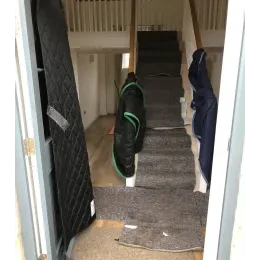
Many South Liverpool moves involve steps and staircases — from narrow Victorian flights in Mossley Hill to compact spiral stairs in converted attic flats. Pack for manoeuvrability: smaller boxes, removable wardrobe boxes and well-secured furniture legs. Mark each box with the floor number and room name; where lifts are absent, label heavy boxes "carry-first/ground-floor" so that loading order mirrors the unload sequence and reduces re-handling time on-site.
Moves involving multiple flights of stairs add real minutes per item — plan for additional labour time and ensure fragile or awkward pieces are ready to be carried in fewer, safer moves. If you have a flat with only stair access, anticipate a longer packing window on move day and ensure the path is clear for safe passage.
Long carries are common when streets are narrow, when the van must park on a nearby main road, or when houses sit behind garden walls. In South Liverpool, cul-de-sacs and conservation-area frontages often prevent kerbside loading. Protect items accordingly: use double-walled boxes for books and plates, blanket-wrap solid furniture, and use rigid cases for flat-screens and mirrors. Waterproof covers are useful if you must cross gravel drives or lawns to reach the vehicle.
Longer carry distances increase physical handling and loading time, which translates into higher labour usage on move day. Accounting for extra packing materials and time to secure goods reduces the risk of damage but should be reflected in your schedule — and in any discussions about move-day staffing or arrival times. Always plan an arrival window that allows for additional carries when access is constrained.
Label smart to beat re-handling on narrow streets and multi-floor properties. Use a colour system tied to rooms and floors; put room name, floor number and a short handling note ("stairs", "fragile", "doorstep") on each box. Load the vehicle in reverse order of unloading: boxes destined for the top floor should go in first, those for ground-floor and immediate use (kettle, toiletries) should be loaded last so they’re unloaded first.
On busy South Liverpool roads where parking is temporary or restricted, a single extra trip from van to property can disrupt traffic and add time. Efficient labelling reduces trips between vehicle and front door and keeps loading docks clear on narrow pavements, speeding up the whole operation.
Tight access is a frequent issue: narrow terraces with raised doorsteps, houses with low garden walls, and estate roads with no turning space. Identify pinch points early — measure doorways, stair widths and any external gates. Disassemble large items before move day where possible and protect awkward surfaces (stone thresholds, slate paths) with boards or blankets.
Tight access increases handling time and may require more personnel or specialist equipment (trolleys with stair skates, corner protectors). It can also mean the vehicle must park further away, adding carry distance and labour time. Account for this when setting move-day start times and when deciding whether to route larger items through alternative entrances (garages, rear alleys) — this planning saves time and avoids costly last-minute delays.
Before packing day, walk the route from likely parking to your front door and note stairs, gates and any resident permit zones near Sefton Park or Woolton Village. For a broader view on timing your move in Liverpool, see the moving timing suggestions at Liverpool moving timing guide. For details on removals specific to this part of the city, visit removals in South Liverpool, and for seasonal timing considerations check best time to move in South Liverpool.
Packing that reflects South Liverpool’s streets, stairs and parking realities reduces handling, speeds loading and lowers the risk of damage — plan for the local constraints and you’ll save time and avoid last-minute costs.
Short, practical answers to common packing problems specific to South Liverpool streets, flats and estates.
Use smaller, evenly weighted boxes that one person can carry safely; wrap large frames and furniture in blankets and move them vertically where possible. Narrow Victorian staircases common in Mossley Hill and Aigburth slow down carry time, so stagger heavier items to the moving team's schedule — expect the packing and carry stage to take longer than in modern houses and factor that into your move-day timeline.
For long carries typical of cul-de-sacs and estate layouts in areas such as Speke and Garston, use rigid boxes, shrink-wrap for furniture, and hard-case protection for electronics. Protect bases of sofas and cabinets with moving blankets and secure them with straps; longer carry routes increase the chance of scuffs and damp, so waterproof covers for soft furnishings are sensible.
Yes. For walk-up flats above shops or converted apartments on busy South Liverpool streets, pack an essentials box for the top floor (kettle, toiletries, chargers) and mark boxes by floor and room. Load the van so that boxes for upper floors are unloaded first at destination to avoid re-handling on tight staircases.
Identify legal loading spots in advance and allow extra time for parking or a longer carry if the removal vehicle must stop on a nearby main road. Check for resident permit zones or event-related parking near Sefton Park and consider applying to Liverpool City Council for a temporary loading suspension if permitted. Longer carries and waiting for parking increase labour hours, which should be in your planning.
The exact answer depends on the access route, loading position, building type and timing conditions in South Liverpool, but clear planning is usually the simplest way to reduce friction and avoid surprises.