
Central Birmingham combines tight historic streets, canalside developments and modern apartment towers. That mix directly affects the physical side of a move: how far items must be carried, whether lifts can be used, and whether a vehicle can park close enough to load. For a full overview of access considerations across Birmingham see access and property guide for Birmingham and for local logistics specific to the area visit removals in Central Birmingham.
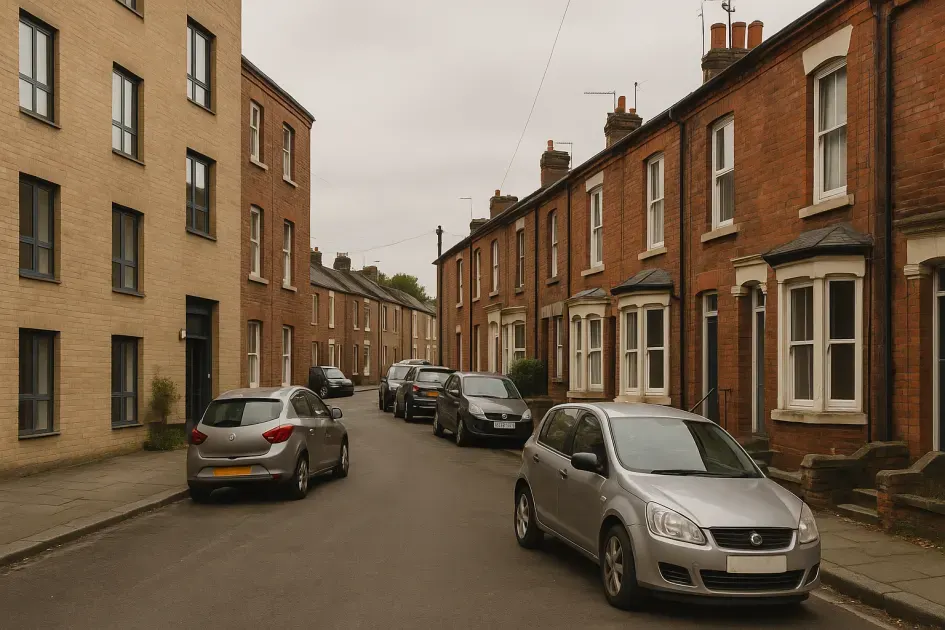
Terraced properties in the inner ring of Central Birmingham — particularly the older red-brick terraces and Georgian conversions near the Jewellery Quarter and parts of Digbeth — frequently present narrow front doors, internal timber staircases and limited room to manoeuvre in hallways. Removals teams face longer hand-carry distances from a legal parking spot because rigid restrictions on kerbside parking on streets like Colmore Row or on routes into the Jewellery Quarter prevent close double-parking.
When you need the main move page rather than property detail alone, start with removals in Central Birmingham and use access and property guide for Birmingham for the broader regional picture.
You will often need to consider For the problems that tend to appear with awkward access, look at moving guide for Central Birmingham and hidden moving costs in Central Birmingham too. at the same time.
Real-world implication: a typical terrace move in this area can add 30–90 minutes per job for additional carries and manoeuvres, and may require smaller vehicles and more personnel. Those additional labour hours and the need for protective materials (banister and floor protection) increase the overall cost and complexity.
Central Birmingham’s apartment stock mixes Victorian conversions with purpose-built towers around Broad Street, Brindleyplace and the Bullring. Many converted flats have either no lift or lifts originally designed only for passengers, not bulky furniture. Conversely, recent developments often provide service lifts but enforce tight booking windows, require a refundable deposit, or restrict service access to certain hours.
Practical consequence: when lifts are narrow you must factor in dismantling large items and extra lift runs — this can double lift-related time on site. When concierge or estate management requires pre-booking, failing to confirm a slot can lead to delays at arrival, with crews waiting for approved access.
Central Birmingham contains a high density of controlled parking zones, short-stay loading bays and pedestrian-only sections near the commercial core. Streets beside New Street, Moor Street and parts of the city centre restrict vehicle access during peak hours; on-street parking is scarce and regularly enforced. Canal-side streets and some lanes in the Jewellery Quarter are narrow and often unsuitable for larger removal vehicles.
Operational friction: teams frequently need to secure temporary loading permits, book local council bays in advance, or plan for enforced hand-carries from the nearest legal parking. All of these increase planning time and can add council charges or time-based penalties to the job cost.
Within the broader Central Birmingham area there are short walks from high-density zones into quieter suburban-style pockets where semi-detached houses and small gardens appear. These properties often have driveways and more kerbside space, reducing carry distance and loading time. However, when a move spans both zones — for example moving from a terrace near the Bullring to a townhouse off the main ring road — crews must manoeuvre from constrained city streets to wider residential roads, changing vehicle placement and unloading strategies on the same job.
Implication for timing and costs: mixed-location moves require flexible planning for both tight urban carries and faster suburban unloads; scheduling must factor in likely delays getting out of the central core during rush hours and possible double handling of items.
New-build apartment complexes near recent redevelopment sites (for instance around Paradise and Smithfield) introduce different constraints than old masonry terraces. New builds commonly provide dedicated service yards and loading docks, but they also implement strict building rules: move-in time slots, lift reservations, insurance requirements and sometimes temporary protection fees for communal areas. Older properties lack service access but often allow more flexible timing if you can legally park nearby.
Practical outcome: new-build moves can be faster on the day if all management rules are followed, but administrative lead time is required. Older properties require more physical labour on site and can be slower because of stairs and narrow corridors, which translates to increased manpower and longer quoted hours.
In Central Birmingham the physical layout shapes the whole removals process. Expect:
For practical checklists and step-by-step scheduling that reflect these local realities, read the Central Birmingham moving guide at moving guide for Central Birmingham and the broader access guide at access and property guide for Birmingham.
Short answers to frequent practical queries on carrying distances, parking, lifts and booking time windows when moving in Central Birmingham.
Often yes. Central Birmingham contains controlled parking zones and short-stay loading bays. If the property is on a busy thoroughfare near New Street, Moor Street or Broad Street you will normally need to book a temporary bay or obtain a permit from Birmingham City Council in advance to avoid parking fines and waiting time.
Many city-centre purpose-built flats and conversions around the Jewellery Quarter and Newhall Street have narrow service lifts. Small lifts increase loading time because furniture often has to be dismantled or multiple lift runs are required, which can add one to several hours to the job and sometimes an extra mover.
Yes — especially in older Victorian terrace conversions and some garden-flat conversions near the city centre. Long internal stair carries through narrow staircases or communal corridors increase physical strain and time on site, and risk of delays if access is restricted at busy times.
New builds around redevelopment zones (for example near Paradise and Smithfield) often enforce strict move-in slots, require pre-booked service lifts and have concierge or estate management rules. Failing to confirm these details can result in being unable to access the loading area and incurring waiting charges.
Properties backing onto the canal and developments by Brindleyplace/Canalside usually have limited road access and narrow service yards. That can require longer hand-carries from a legal parking space or use of building service yards with scheduled access — both add time and coordination needs.
Plan for longer loading windows, confirm lift sizes and booking rules with building management, arrange temporary loading permits where needed, and allow extra time for stair carries and congested streets. Early reconnaissance of parking restrictions near New Street, Colmore Row and the Jewellery Quarter pays off.