What affects cost planning for moves in Birmingham
Removals pricing in Birmingham is mainly driven by time on site, crew size, vehicle planning, and how easily items can move between property and vehicle. Stairs, lift reliance, permit parking, carry distance, bulky-item handling, packing support, and disassembly all affect labour hours more than simple postcode distance does.
Birmingham has a Clean Air Zone, so route planning, loading access, timing, and vehicle compliance all need to be considered for removals jobs. It is also worth factoring in how neighbourhood differences change loading speed: a central flat with a booked lift behaves very differently from a suburban house with driveway access but heavier furniture and larger volume.
The biggest cost drivers on move day
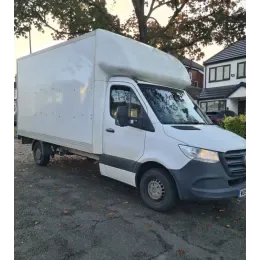
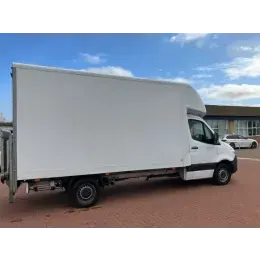
Crew size and vehicle size: Larger homes, tighter deadlines, or awkward access often need more movers or a larger truck to keep loading efficient.
Stairs, lifts, and carry distance: Long carries from permit bays, repeated stair climbs, or slow lift access reduce throughput and extend the job.
Packing and preparation: Full or partial packing adds labour and materials, but poor self-packing can also slow loading if boxes are overweight, weak, or unlabelled.
Furniture handling: Beds, wardrobes, large sofas, and appliances often need dismantling, wrapping, or more careful routing through tighter access points.
Timing pressure: End-of-month dates, Friday completions, and school-holiday demand can narrow the available working window and make delays more expensive to absorb.
How move type changes the price pattern
Flat move: Often driven by lift access, bay distance, and booking windows.
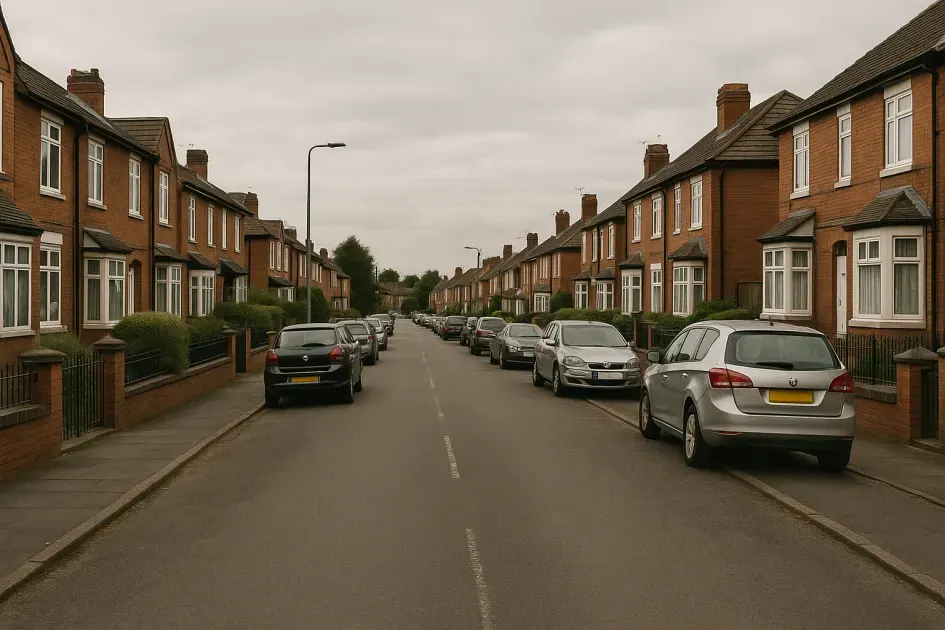
Terrace or semi-detached move: Commonly shaped by parking practicality, stair carry, and furniture volume.
Larger family home: Usually more about inventory size, dismantling, and the time needed at both ends than about mileage alone.
Practical Birmingham examples
Scenario 1
One-bed flat with a service lift and pre-booked loading bay. A smaller crew and van can work efficiently if the lift booking is reliable and boxes are ready.
Scenario 2
Three-bed terrace with permit parking and one long carry from the nearest legal space. A larger crew may save time by reducing the relay distance and keeping loading continuous.
Scenario 3
Four-bed detached move with wardrobes to dismantle, loft items, and garden access. Even with easier parking, the labour plan is broader because item volume and handling complexity are higher.
For service coverage and booking support, see the Birmingham removals page.