Access and property constraints in Birmingham
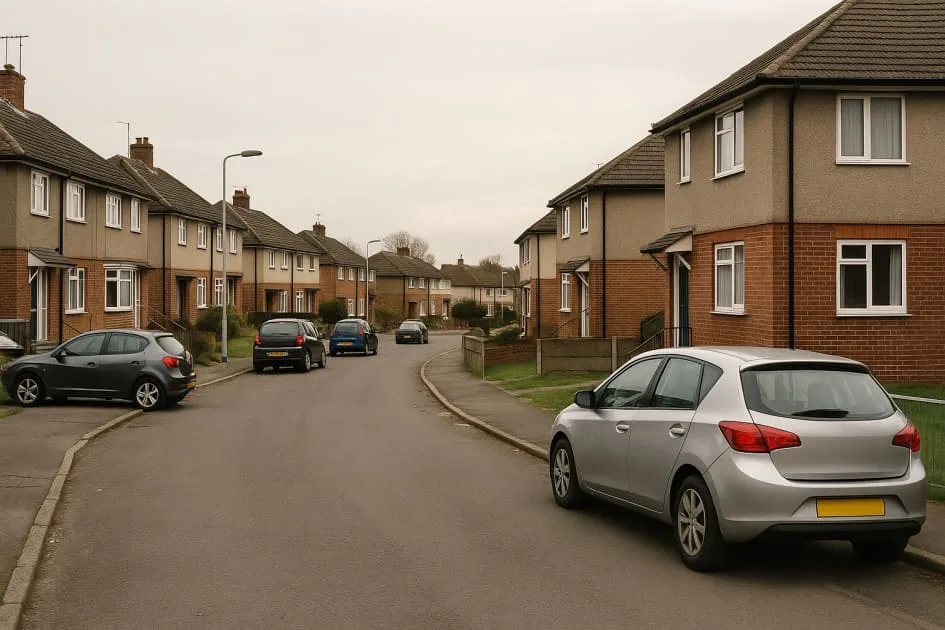
Birmingham moves are often shaped by a mix of city-centre loading restrictions, permit streets in residential areas, long carries from legal parking spaces, flats with lift bookings, terraces with limited frontage, and larger suburban homes where driveway access still needs careful staging. In practical terms, access often changes the crew pace more than mileage does.
Birmingham has a Clean Air Zone, so route planning, loading access, timing, and vehicle compliance all need to be considered for removals jobs. That matters most when the most direct route crosses controlled roads or when a property sits close to busy central corridors.
Street access and loading realities
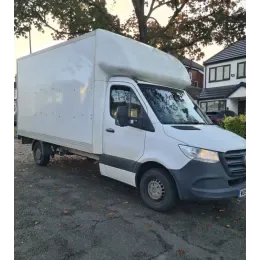
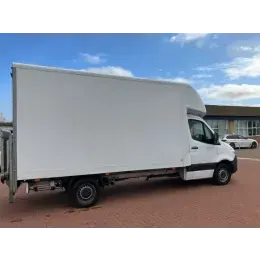
Before move day, identify the closest legal loading point, not just the postcode. Some addresses have permit bays, short-stay controls, or narrow approach roads that make a large truck slower than a smaller shuttle plan. If access is tight, sharing photos and exact parking instructions helps the removals team choose the right vehicle size and carry equipment.
Where bays need suspending or visitor permits are required, sort these early and keep confirmation details ready. On busier routes, school-run traffic, one-way systems, and junction congestion can compress the useful loading window even when the distance is short.
Building and property friction
Flats and managed developments often need service-lift bookings, concierge approval, or designated loading bays. Terraces can create tight stair turns and restricted pavement loading. Larger family homes may look easier on paper but still slow down if the carry route runs through side gates, long drives, or garden paths.
Measure bulky items, lift interiors, and key turns in advance. Beds, wardrobes, fridge-freezers, and sofas frequently need dismantling or a more careful route through communal spaces, which changes timing and crew workflow.
Operational checklist for smoother access
- Confirm the legal loading point and how far it is from the door.
- Arrange permits, bay suspensions, or building loading bay bookings in advance.
- Check lift size, booking times, and any concierge or caretaker rules.
- Flag stairs, tight turns, long paths, and awkward items early.
- Plan around Clean Air Zone routing where it affects arrival and parking choices.
Apply the city-wide guide locally
Use the Birmingham removals hub for service scope and booking, then apply borough-level support where access differs most: Birmingham removals, Central Birmingham Moving Guide, North Birmingham property access challenges, East Birmingham Hidden Costs, South Birmingham Moving Guide, and Solihull and Black Country property access challenges.