How to plan a move in Central Birmingham
Central Birmingham has a mix of high-density residences and older streets that make removals a logistical challenge. This guide covers planning steps, timelines and on-the-ground constraints for terraced houses, flats, semi‑detached properties and new-build blocks in the city centre. For an overview of the wider city context see Birmingham area guide, and for specific building problems consult property access challenges in Central Birmingham.
When you want the main move page rather than general guidance alone, start with removals in Central Birmingham and use Birmingham area guide for the broader regional picture.
Property types and what they mean for the move
Central Birmingham contains a tight mixture of property types:
You will often need to consider To turn the general guide into a tighter move plan, connect it with moving costs in Central Birmingham and property access challenges in Central Birmingham. at the same time.
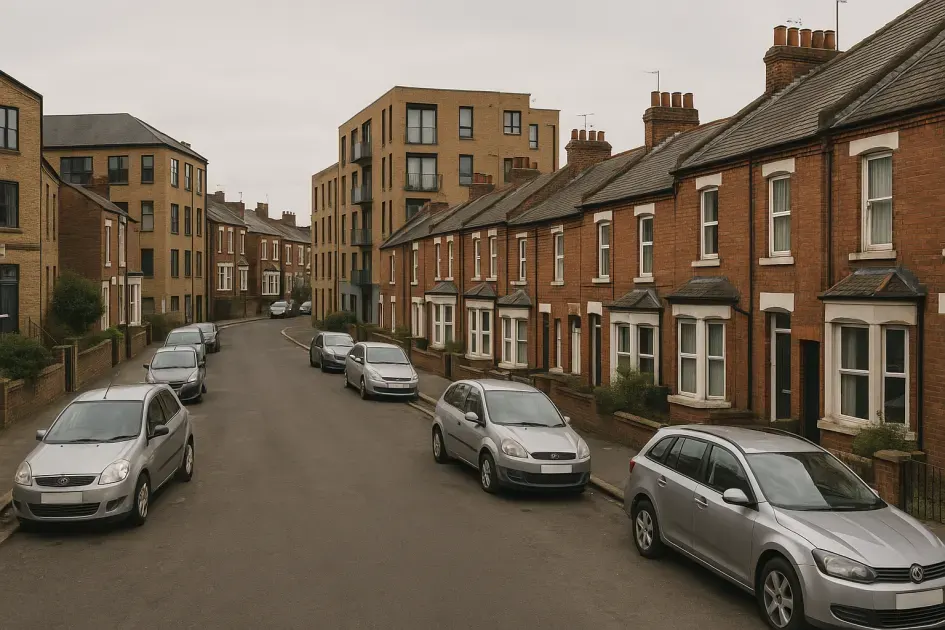
- Terraced houses (Victorian/Edwardian rows): often no on‑street parking directly outside, narrow frontages and rear alleyways. Expect long carries from legal loading locations to interiors and potential need to carry bulky items through tight doorways.
- Flats above shops and conversions: many have steep, winding staircases and small lifts — furniture sizing and disassembly planning are essential. Concierge hours in modern blocks can restrict arrival windows.
- Semi‑detached properties near the inner ring: some have drives but may sit on narrow residential streets with permit zones; short walking distances can still be magnified by parking controls.
- New builds and high‑rise blocks: service yards and loading bays exist but require pre-booking. Service lifts have weight and size limits and can be scheduled only at certain times, increasing the overall duration of the move.
Pre-move preparation — what to do weeks before
Because of access controls and building rules in Central Birmingham, start earlier than you might elsewhere.
- Measure access points: record door widths, stair widths, lift internal dimensions and route from pavement to kitchen/lounge. In city centre flats, a single measurement can determine whether a sofa or wardrobe will fit through the lift or require disassembly.
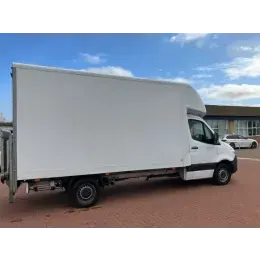
- Check parking and loading options: identify nearest pay-and-display bay, resident-permit area or council loading bay. If a large removals lorry needs to stop outside, plan a parking suspension with Birmingham City Council early — some central roads require up to two weeks'notice.
- Confirm building rules: many modern blocks have strict move-in/out times, temporary lift protection requirements and insurance conditions. Booking move time slots with concierge or management companies prevents unexpected delays on the day.
Booking timeline — realistic lead times for Central Birmingham
Central Birmingham's operational friction makes booking earlier advisable:
- 8+ weeks: for large moves into high-rise new builds where service yard slots, lift protection and parking suspensions are needed during peak months (spring/summer).
- 4–6 weeks: typical for standard-sized flats or terraced houses when lift bookings or parking suspensions are likely but less complex.
- 2 weeks: only for moves with clear, immediate kerbside access and no building restrictions — still plan for contingencies because enforcement and busy streets can cause delays.
Booking later increases the risk of fixed time windows, extra waiting time on move day, or having to unload further from the property — each adds labour hours and cost.
Packing considerations specific to Central Birmingham
Packing choices should reflect the physical constraints you measured.
- Break down large items: sofas, beds and wardrobes often need disassembly to navigate Victorian staircases or small lifts in central blocks. Allocate time for labelled disassembly — it reduces repeated carry trips.
- Protect narrow stairs and lifts: use specialist protection for carpets and lift walls. Central Birmingham buildings commonly require visible protection; failing to comply can block access or cause extra cleaning charges.
- Pack for staged carries: if the vehicle cannot park directly outside (pedestrianised areas/Canal-side access), pack in load-ready batches so movers can shuttle efficiently between van and property without searching for boxes.
Move‑day logistics — sequencing for minimal disruption
On the day, Central Birmingham’s time-consuming steps most commonly involve parking, lift use and carry distances. Plan the day in phases:
- Early arrival and set-up: arrive before peak traffic if permitted by building rules. This gives time to position the vehicle, set up protection and confirm lift bookings or concierge windows.
- Use a staging area: identify the nearest legal drop-off. Where direct kerb access is not possible, a short-term loading bay suspension or a nearby pay-and-display bay makes shuttling systematic rather than ad hoc.
- Sequence bulky items first: get sofas and appliances out while stairs and lifts remain clear. In buildings with small lifts, schedule the largest items when the lift is reserved to avoid repeated trips.
- Account for hold-ups: expect traffic, enforcement officers and building staff delays. Add contingency time — an extra hour for access issues is common in city-centre moves.
Area-specific planning tips
Central Birmingham has particular features you should plan around:
- Ring road and delivery restrictions: the A4540 Middleway and surrounding one-way systems can complicate lorry routes. Confirm the vehicle’s approach and turning space in advance to avoid last-minute reroutes that extend unloading time.
- Pedestrianised zones and the Bullring: if moving near shopping or pedestrian areas, drops may need to be a short distance from the property. Factor additional carry labour for pedestrianised stretches and check for market days or events that close streets.
- Canal-side properties: canal towpaths and narrow bridges can prevent vehicle access on the immediate frontage — plan a practical drop point and estimate the carry distance along towpaths or across bridges.
- Tram lines and public transport hubs: busy junctions near tram stops (West Midlands Metro lines) can limit where a large vehicle can safely wait. Avoid peak tram service hours for moves if possible to reduce congestion and improve safety for loading.
- Short-stay bays and enforcement: parking attendants patrol central streets — unauthorised stopping leads to fines and delays. A formally booked suspension or legal loading bay prevents interruptions and additional time spent moving a vehicle.
Real‑world implications for time, cost and planning
Every access constraint in Central Birmingham has a direct cost and time implication:
- Longer carry distances: increase labour time, so hourly charges or manpower needs rise. For example, a 30–60m carry across pavements or through pedestrian zones typically adds 1–2 extra crew hours for multiple trips.
- Stairs versus lifts: moves with multiple flights of stairs generally require more staff and slower handling, increasing both time and insurance exposure for bulky items.
- Permit and suspension fees: council charges and building service yard fees are additional, often fixed costs; factor these into the move budget early on.
- Time‑window penalties: missed concierge or lift windows can force waits or rescheduling, multiplying labour hours. Confirm all time slots and leave buffer time to avoid premium charges for overtime.
Next steps
Consolidate measurements, confirm access with building managers, and book any necessary parking suspensions or service yard slots well in advance. For local details and area context see the Central Birmingham removals overview at removals in Central Birmingham and the wider Birmingham area guide.