How removals conditions vary across Birmingham
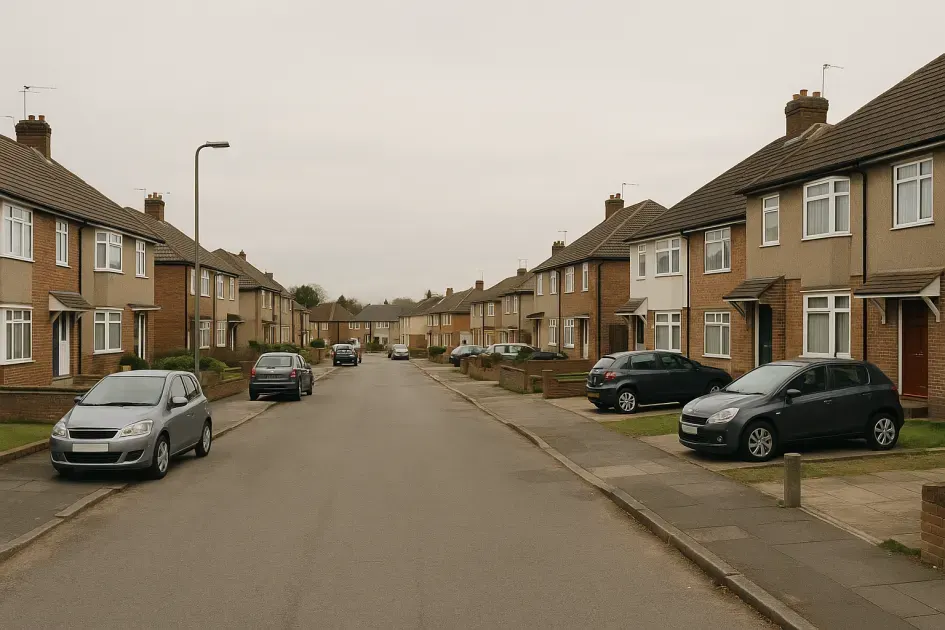
Birmingham’s neighbourhoods create very different access, timing, and loading patterns. Central streets can be one-way with bus lanes and tight loading windows, while suburban roads may feel calmer but still bring school-run peaks, permit controls, and awkward cul-de-sac turning. Birmingham has a Clean Air Zone, so route planning, loading access, timing, and vehicle compliance all need to be considered for removals jobs.
Across Birmingham, local access conditions can shift quickly depending on parking, frontage, and building layout. That is why removals on Property challenges in Solihull and the Black Country and South Birmingham moving guide often differ more than mileage alone suggests.
For dates, team sizing, and access planning, start with the commercial overview on our Birmingham removals page and then apply the area notes below.
For a borough-level view, see how access and timing differ on North Birmingham property challenges, East Birmingham moving guide, and Central Birmingham property challenges. Each booking is handled through one platform, with experienced local removals crews and one clear move price shaped by the real conditions on the day.
For further preparation detail, see: Moving Costs, Birmingham moving timing guide, and Birmingham access and property guide.
Neighbourhood access patterns
City-centre moves often depend on managed loading bays, timed slots, concierge coordination, and careful route choice around bus gates. Inner-ring terraces can leave very little room to stop close to the door, so the carry quickly becomes the real bottleneck. In leafier suburban pockets, you are more likely to find driveways or wider frontage, although side access, steep paths, and shared parking courts can still slow the job. Loading and unloading usually shape the day more than the drive itself.
Property and loading differences
High-rise apartments usually require lift bookings, lobby protection, and firm arrival windows. Victorian terraces and older maisonettes often come with narrow doorways, tight stair turns, cellar access, or attic rooms that reduce the pace of every trip. Semis and modern estates can be simpler for loading, but large vehicles may still struggle to turn cleanly or hold a practical position outside the property. The building type often tells you more about the job than the postcode alone.
How to plan for different move types
House moves usually benefit from driveway clearance, measured doorways, and a room-by-room loading order that keeps heavier furniture nearest the vehicle. Flat moves need the opposite emphasis: confirm lift size, booking duration, concierge forms, and any shared-access restrictions first. Office removals add another layer, with loading docks, service lifts, out-of-hours access, and labelled zones all affecting how quickly the team can work without disruption.
City-wide baseline: where time is lost
- Parking and bay set-up at either end, including waiting for a usable space to clear.
- Carry distances from vehicle to door, especially across courtyards, side paths, or long corridors.
- Key-release delays and final meter readings, pushing back the load and unload overlap.
- Lift sharing with residents, tenants, or other contractors, which breaks the loading rhythm.
- Route restrictions causing detours near the centre or at school-run peaks.
Eight local variables that change removals planning
1) Parking controls and bay availability
Check resident zones, time-limited bays, and whether a suspension request is realistic. A confirmed stopping point shortens the carry and stabilises the whole schedule.
2) Carry distance and floor level
Measure door-to-vehicle distance and count floors honestly. Extra stairs, long walks, and awkward landings affect pace far more than people expect.
3) Lift size, booking, and reliability
Service lifts may require pre-approval, keys, padding, or freight-only time slots. Check internal dimensions as well as booking rules before assuming large items will fit.
4) Street width and turning space
Narrow terraces, parked cars, and compact cul-de-sacs can make a smaller vehicle or short shuttle plan the faster option overall.
5) Time windows and key handover
Align loading windows with expected key release and building access. When keys are late, staging the right items first can keep the removals team productive instead of standing still.
6) Route restrictions and compliance
Bus lanes, height limits, and Clean Air Zone planning all shape the final approach. A clean route in and out protects the most time-sensitive part of the move.
7) Property form and item dimensions
Measure big items against stair turns, lift openings, and door widths, especially in older terraces and split-level flats. This helps avoid last-minute dismantling delays.
8) Building or estate rules
Some developments impose noise limits, sign-in requirements, lift restrictions, or loading windows. Gather those rules early so the moving team can work to them rather than around them.
Practical planning checklist
- Confirm parking or loading-bay permissions for both addresses, with timings.
- Measure bulky items, key doorways, and any stair turns; book lifts if needed.
- Share photos or video of access, corridors, and the external approach for planning.
- Sync key collection, cleaners, and utility handover to reduce idle time.
- Plan around school runs, events, or peak traffic on the chosen route.
Scenario examples
Example 1: Apartment in the city core to a semi in the suburbs. Book the service lift and loading bay, stage boxes first, then bring down furniture once the access window opens.
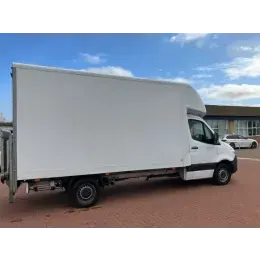
Example 2: Terrace to terrace on a narrow street. A smaller vehicle or short shuttle from a wider junction can be quicker than forcing a larger truck into poor stopping space.
Example 3: Office move within the ring road. Reserve dock and service-lift slots, label zones clearly, and sequence IT crates last-on, first-off for a cleaner restart.
Apply neighbourhood context
This guide gives you the city-wide planning lens. Use it to see access expectations, property type, and likely loading friction before you commit to dates and crew size.