Measure the prepared item, inspect collection from its starting room, then ask the receiving contact to check the complete route to the intended room.
On this page
Start with the furniture and its complete parts
List the bulky pieces, dimensions in the proposed travelling form, loose sections and fittings. Flag unusual weight, fragility or construction for assessment. Record whether preparation is complete or optional work is requested, rather than assuming every piece can be dismantled.
Use the heavy-furniture measuring method to prepare the dimensions and route information. It supports a useful assessment; it does not promise that an unseen item will fit or that a particular handling technique is available.
Describe the approach before the indoor floor
Follow the item from its actual room or selected store through doors, turns, stairs, outside steps, slopes, surfaces and gates to the lawful van position. Note where the piece must turn and whether there is room for the people handling it. A drive suitable for a household car may not provide a usable position for the moving vehicle.
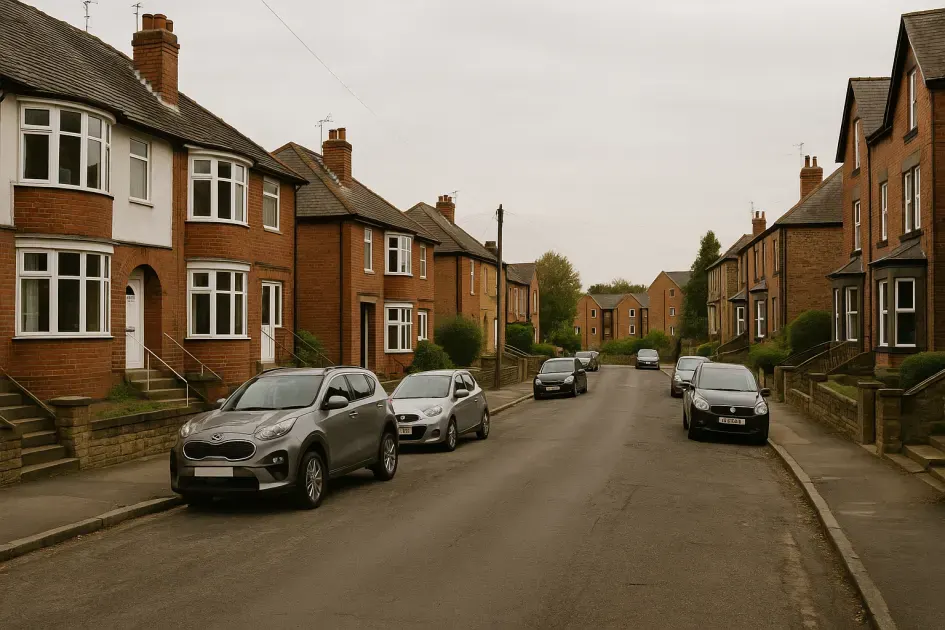
Confirm private consent and the current goods entrance. Where the address is within the Ecclesall Road centre, the 2022 study’s converted and purpose-built frontage context makes identifying that entrance useful. It does not establish your home’s layout or allow use of a neighbouring path.
Measure the receiving route independently
Send the prepared dimensions to the contact who can inspect the receiving property. Check unloading position, goods entrance, lift or stairs, landing and corridor turns, door swing and final-room opening. A large room does not prove the piece can reach it.
Keep the actual room and access instructions with the furniture record, and resolve uncertain dimensions, private admission and fixed building periods with support before booking. The loading-position guide helps assess the full carry if the closest space cannot be used.
Agree preparation, working space and sufficient people
Identify what the customer will do and what provider work is requested. Paired packing/unpacking, item disassembly and assembly may be requested at any agreed moving stop subject to eligible provider availability. Packing and unpacking share one selection, allowance and rate. Optional work uses separate 30-minute elapsed-team-time blocks at the booking rate, apart from ordinary loading and unloading, not per person or duplicate travel.
Supply materials unless otherwise agreed in writing, and have available instructions and fittings ready. Discuss specialist requirements with support. Select sufficient help through both complete carries; with customer loading and unloading, provide enough capable people at both ends, as driver loading help is not included. Keep agreed working space available for preparation and selected finishing.
Connect the fit decision to the completed handover
Hypothetical example: a bed’s panels leave the collection room, but the receiving contact has not checked the turn after the final stair. Resolve that turn and any preparation before relying on delivery to the bedroom. Keep the matching fittings with the bed and confirm enough help through the entire route.
Record the prepared-piece dimensions, parts, two full routes, uncertain stages and agreed preparation responsibilities. Give support seller appointments, keyholder availability and any key-handover deadlines, building access periods and receiving-finish deadlines before booking. Allow time to get in and check all the goods and their parts. Finish any remaining agreed preparation before carrying the items that need it. Include the full collection carry and loading, the journey and every agreed stop. At each delivery, allow for access, unloading and carrying the goods into their agreed final rooms, and place them there before any selected finishing work. Use the ordered receiving checklist and Sheffield access planning to carry the assessment through the whole operation.
Common questions
Does furniture leaving the old home prove it fits the new one?
No. Assess the receiving unloading position, entrance, stairs or lift, turns and final-room door independently using the actual prepared dimensions. Confirm private admission, sufficient help and any preparation with support before booking; a successful collection-door check does not describe the new home.
Sources and further detail
Prepared-piece and complete-route assessment. Historic district-centre frontages do not establish an individual residential layout, permission or item suitability.
Plan your Ecclesall furniture through both homes
Use the actual prepared piece, outside approach and final-room route in your move details.
Plan your Ecclesall furniture move