What matters operationally
Route predictability is built from three checks: the approach route, the legal stopping point and the internal path to the unit. Traffic timing affects how reliably you can hold a loading slot; commuter peaks and event days extend approach queues and reduce flexibility. Loading access governs how many items you can move per minute; a short kerb-to-door carry with level access produces faster cycles than long carries or stairs. Together these factors set moving duration more than raw distance across Manchester. The timing side of that is explored further in when Manchester moves tend to take longer. Those access constraints feed directly into how moving costs are shaped by access and time. That is visible in areas such as man and van services in Ancoats. Comparable route constraints also appear in man and van services in Salford.
How to plan around restrictions
Confirm route timing against known peaks, then secure loading arrangements that match the building rules. Add buffer time between address legs to absorb queues at pinch points, and coordinate with reception or facilities so the bay, goods lift and key access are available when the vehicle arrives. Central restrictions, timed bays, pedestrian areas and bus gates all need to be checked before the day itself, because the best route is the one that keeps the van legal and close to the door rather than simply the shortest on a map.
Eight route-planning variables in Manchester
Traffic timing patterns
Commuter flows on the inner ring road and corridors like Oxford Road slow approaches. Event traffic near stadiums or the arena can extend queues and shrink your loading window. Choosing arrival windows outside the busiest periods protects both travel time and unloading access.
Central access constraints
Pedestrianised streets, tram-priority areas and bus gates alter which turns are legal and where a van can wait. If the address fronts a restricted street, plan a legal rear or side loading point and test the approach so there are no surprises on the day.
Kerbside loading conditions
Timed bays, double-yellow lines with kerb blips and short-stay windows limit stopping duration. A reserved loading bay close to the entrance reduces carry distance and keeps the team within posted times, avoiding disruptive re-parking.
Building access limitations
Managed sites often require a loading-bay booking, goods-lift schedule and security check-in. If lifts are shared, align heavier-item moves during your lift slot and stage lighter items so the crew can keep working if the lift slows down.
Route predictability and delays
Junction bottlenecks, lane reductions and tram interactions create variability. A pre-checked route with defined waypoints and a fallback approach keeps arrival predictable even if roadworks or incidents force a diversion.
Vehicle suitability and access
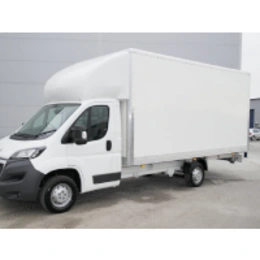
Height restrictions, tight turns and weight limits near bridges or underpasses can exclude larger vans. If access is tight, a shorter wheelbase or split-load plan often works better than parking far away with the wrong vehicle.
Parking and permit constraints
Residential permit zones and limited-duration bays can push vehicles farther from the door, increasing carry time. Confirm permitted loading positions with the property or local signage, and arrange a nearby off-street bay when on-street options are weak.
How clean-air or charge-zone rules affect moves in Manchester
No active clean-air or charge zone currently applies in Manchester. Central restrictions, timed bays and building management rules still shape routing and access. Plan routes that respect pedestrian areas and bus gates, confirm a legal loading point near the entrance and verify vehicle height and road suitability so timing and access remain predictable.
Practical route-planning examples
Example 1: Northern Quarter flat with a timed loading bay and heavy footfall. Arrive outside the busiest period, guide the van straight into the bay and stage items at the lobby so the window is used efficiently.
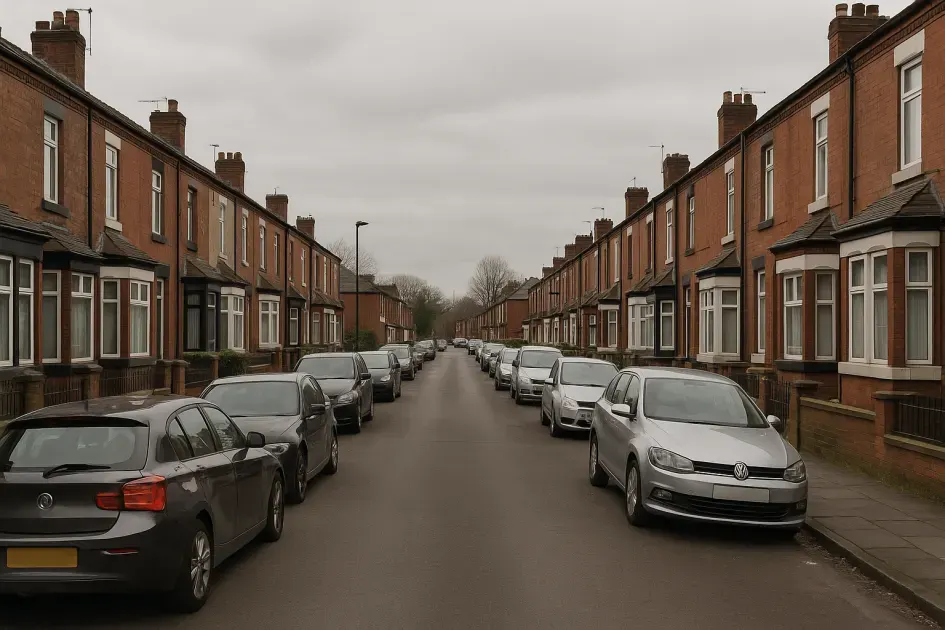
Example 2: Didsbury terrace on a narrow permit-controlled street. Identify a legal loading spot one street over, use a shorter wheelbase van for tighter turns and trolley items to reduce carry time.
Example 3: Ancoats new-build with managed loading bay and goods-lift slots. Reserve the bay, confirm lift timing with reception and move the heaviest pieces during the booked lift window.
Example 4: Salford Quays apartment with concierge check-in and a longer kerb-to-lift distance. Use the signed service entrance, bring dollies for the longer carry and route via the ring road to avoid central delays.
Example 5: City-centre office with a low-clearance loading dock. Select a vehicle that meets height limits, schedule security access and plan a simple internal path so goods-lift use stays continuous.
Practical route-planning checklist
- Timed loading bay windows → Match arrival to the posted slot and stage items at the door to shorten each load cycle.
- Narrow streets or tight turns → Choose a shorter wheelbase or split loads to maintain a closer, legal stop.
- Bus gates and pedestrian zones → Pre-test the approach with waypoints to avoid last-minute reroutes.
- Managed building access → Reserve the loading bay and goods lift, and brief reception on arrival timing.
- Event-day congestion near venues → Select a window outside ingress and egress peaks and keep a ring-road fallback route ready.
Apply neighbourhood context
Access patterns differ by area; review local streets, loading options and building rules before setting the arrival window.
We provide man and van services across the wider area, including man and van services in Withington, man and van services in Audenshaw, man and van services in Broadbottom, and man and van services in Carrbrook, with bookings managed through one system coordinating bookings with pre-checked drivers.