What affects cost planning for moves in Manchester
Moving often costs more than expected because most of the day is spent handling and carrying, not driving. Loading distance, stairs, narrow internal routes and lift waits add minutes to every item, multiplying across the whole job.
Distance within Manchester affects driving time, but short journeys can still cost more if either address has slow access. Permit parking, double yellows or a lack of loading bays push the van farther away, extending the kerb-to-door carry and the overall schedule. That pattern is also reflected in how neighbourhood layout changes moving time. A useful local example can be seen in man and van services in Ancoats.
Stairs and internal routes increase cost because every carry requires more effort and passes through more pinch points. Lift bookings add clock time if slots are missed or shared. Traffic timing matters too: school-run and commuter peaks reduce route predictability and elongate the day. Part of that broader picture comes from how route planning affects Manchester moves. Scheduling pressure becomes clearer when viewed alongside Manchester demand patterns at different times.
Loading time usually outweighs driving time.
What affects cost planning for moves in Manchester
| Cost driver | What changes the time | Why it affects total cost |
|---|---|---|
| Parking access | Distant or unavailable bays, permit zones, double yellows and tight streets | Longer kerb-to-door carries and shuttling add handling minutes per item, increasing labour hours |
| Building layout | Stairs, slow lifts, long corridors and tight doorways | More handling steps and bottlenecks slow each load cycle, extending total on-site time |
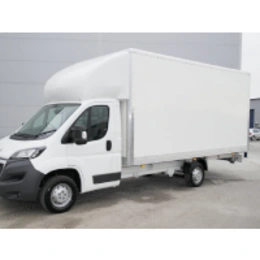
| Van size / movers | An undersized van or too few movers for the volume | Extra trips or slower throughput extend the schedule; right-sizing improves load-cycle speed |
| Route timing | School-run peaks, city-centre congestion and events | Lower route predictability stretches travel and arrival windows, increasing billed time |
Typical move price patterns in Manchester
Because labour time drives cost, longer durations mean higher totals. Two similar properties can produce very different bills if one has close parking and a lift while the other involves stairs and a long carry. Planning to shorten load cycles generally lowers cost.
| Move type | Typical time range | What affects duration |
|---|---|---|
| Single-item or small studio within Manchester | A few hours | Parking beside the entrance, lift access, carry distance and fragile-handling needs |
| 1-bed flat across town | A few hours to half a day | Lift booking windows, loading-bay availability, corridor length and route timing |
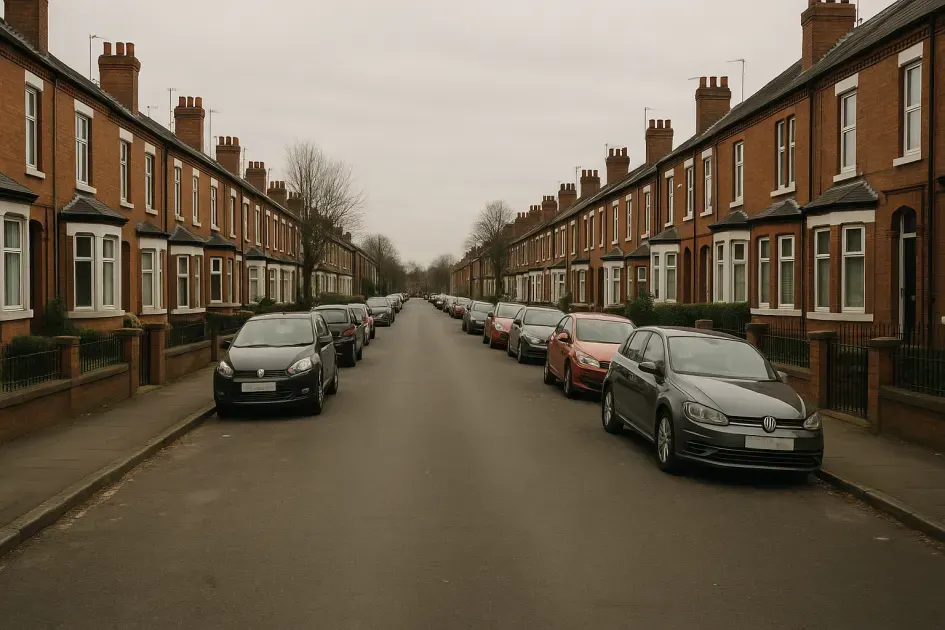
| 2-bed terrace within the city | Half a day to most of a day | On-street permit parking, stairs and narrow streets for van positioning |
| 3-bed house between suburbs | Most of a day to a full day | Volume of goods, furniture dismantling and longer driveways or distant parking bays |
Cost examples by move type
Example 1: Small studio with clear kerbside parking
A compact load, ground-floor access and a bay directly outside allow short carries and fast loading cycles. Fewer handling steps reduce labour hours, keeping the total lower.
Example 2: Small flat with permit-only parking
The van cannot stop outside, so items are carried from a legal bay farther down the street. Each shuttle adds delay, stretching the schedule and increasing the labour-based cost.
Example 3: 1-bed apartment with a lift booking window
Access requires using a shared lift within a scheduled slot. Waiting for lift availability and sharing with residents slows cycles, extending on-site time and overall cost.
Example 4: 2-bed terrace with a narrow street and stairs
A tight residential road limits van positioning and front steps require manual carries. The constrained approach and stairs slow each run enough to increase hours and the final bill.
Example 5: City-centre apartment to suburban house during peak traffic
Loading-bay rules, a long carry inside the block and peak-period congestion reduce pace and route predictability. Combined frictions extend the day and raise labour time significantly.
How to keep the move efficient
- Permit or controlled parking → Arrange temporary permits or a building loading bay so the van can park close to the entrance.
- Long kerb-to-door carry → Reserve space legally near the door and stage packed boxes by the exit to shorten each run.
- Stairs or shared lift → Pre-book lift slots where possible, keep fobs or keys ready and move loose items before the largest furniture.
- Narrow streets or busy blocks → Confirm van size and access window; avoid school-run and commuter peaks where feasible.
- Large furniture and tight doorways → Dismantle beds, remove table legs and protect corners to reduce slow manoeuvres.
- Information gaps → Share exact addresses, entry codes, flat numbers, photos of access points and any managed-building rules in advance.
Manchester’s neighbourhoods vary: inner-city blocks can require loading bays and timed access, while terraces often involve permit parking and stairs. Suburban homes may add longer carries from street to door.
We provide man and van services across the wider area, including man and van services in Prestwich, man and van services in Stalybridge, man and van services in Audenshaw, and man and van services in Broadbottom, with bookings managed through one system coordinating bookings with pre-checked drivers.