
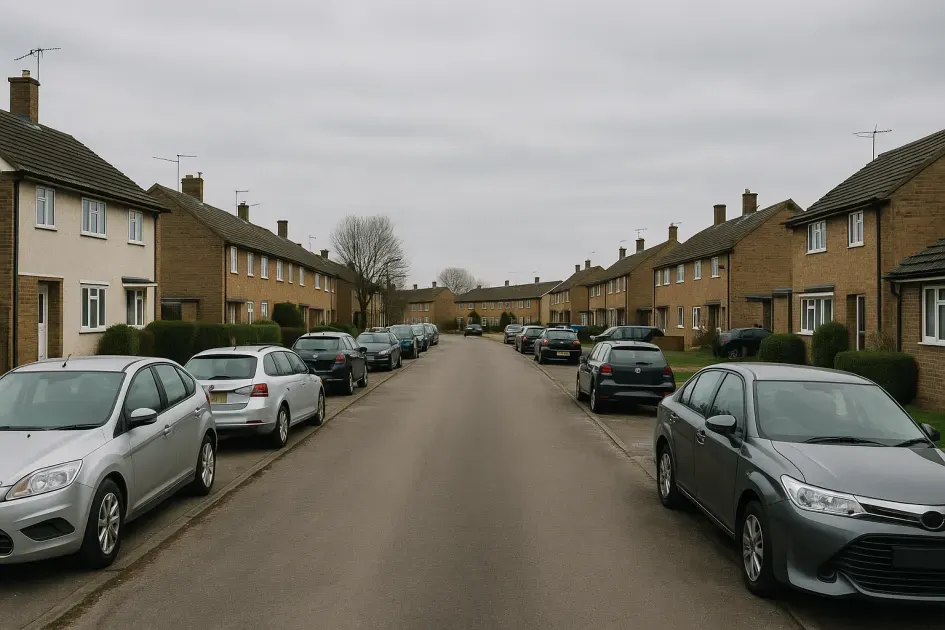
What matters operationally
Route predictability depends on avoiding bottlenecks near the A414 and M11 junctions and choosing streets with room to load safely. Traffic timing affects when you can get close to the address and how long a vehicle can reasonably dwell. Loading access, including bay timings, carrying distance and stairs or lifts, is often the difference between a quick turnaround and extended shuttling. Each of these factors feeds into total moving duration. The timing side of that is clearer in when Harlow moves tend to take longer.
How to plan around restrictions
Check peak timings and any town-centre controls before fixing your route, then align address access with the quietest practical approach. Confirm loading arrangements at both ends, whether that means timed bays, visitor permits or a managed loading bay, and coordinate building access windows to avoid crew standby. Add buffer time between addresses to absorb minor delays without missing a slot. No active clean-air or charge zone currently applies in Harlow, so day-to-day moves are most affected by bay timings, parking geometry and building-handling limits. Those access constraints feed directly into how moving costs are shaped by access and time. That is especially visible in man and van services in Broxbourne. A practical local example appears in man and van services in Hertford.
Eight route-planning variables in Harlow
Traffic timing patterns
Commuter and school-run peaks around the A414 and M11 junctions slow arrival and departure, lengthening dwell and shuttling. Mid-morning or mid-afternoon slots are often easier to hold.
Central access constraints
One-way systems, pedestrian-priority streets and timed loading bays near the town centre narrow arrival windows and dictate where a van can stand. Plan a nearby staging point if the frontage is time-limited.
Kerbside loading conditions
Double yellows with loading exemptions, shared bays or narrow terraces often mean short, attended stops. A longer kerb-to-door carry increases handling time, so dollies and ramps help preserve pace.
Building access limitations
Flats without lifts, fob-controlled doors or long internal corridors slow throughput. Arrange keys or lift holds and keep a clear path from entrance to unit so crews can move continuously without waiting.
Route predictability and delays
Temporary works or lane reductions on key radials create knock-on delays. A pre-checked diversion keeps the schedule more stable if the primary approach clogs.
Vehicle suitability and access
Narrow streets, tight turns or low headroom can block larger vans. Match vehicle size and height to street geometry and loading-bay dimensions to avoid rerouting or offloading to a shuttle.
Parking and permit constraints
Permit-only streets require visitor permits or a dispensation. Without them, crews must park further away, increasing the carry and extending the move.
How clean-air or charge-zone rules affect moves in Harlow
No active clean-air or charge zone currently applies in Harlow. Central operations still depend on timed bays, pedestrian-priority areas, width or weight limits and parking enforcement. Plan routes and vehicle choice around those constraints, and confirm neighbouring towns’ rules if your route crosses boundaries.
Practical route-planning examples
Example 1: Terrace house on a permit-only street. Arrange visitor permits and secure the closest legal space early. Arrive after school-run so the carry is shorter and the van is less likely to need moving.
Example 2: Town-centre flat with a timed loading bay. Match the bay slot to lift access, keep the van attended and stage items at the lobby so unloading stays inside the window.
Example 3: Old Harlow address on a narrow lane. Choose a shorter wheelbase van and a nearby staging point, then shuttle with a trolley to prevent blockages and penalties.
Example 4: House to storage near the A414. Route via quieter approaches outside peak times, pre-book unloading access and bring dollies for the longer corridor so throughput stays steady.
Example 5: Cross-town move via M11 junctions. Set a mid-morning departure, keep a signed alternative via local radials and add buffer before a timed bay at the destination to avoid missing the slot.
Practical route-planning checklist
- Permit-only frontage → Secure visitor permits or a temporary dispensation and mark a space close to the entrance.
- Timed loading bay → Book a slot aligned with lift or porter availability and keep the vehicle attended.
- Narrow streets or low headroom → Select a vehicle that fits the geometry and confirm height and width limits in advance.
- Peak congestion on A414 or M11 approaches → Set arrival outside peaks and prepare an alternate local route.
- Long kerb-to-door carry → Stage kit such as dollies, straps and a ramp, and keep a clear path to maintain continuous flow.
Apply neighbourhood context
Routes, bay rules and street geometry vary by neighbourhood, so confirm local constraints at both ends of your Harlow move before fixing timings.