
Why demand patterns matter
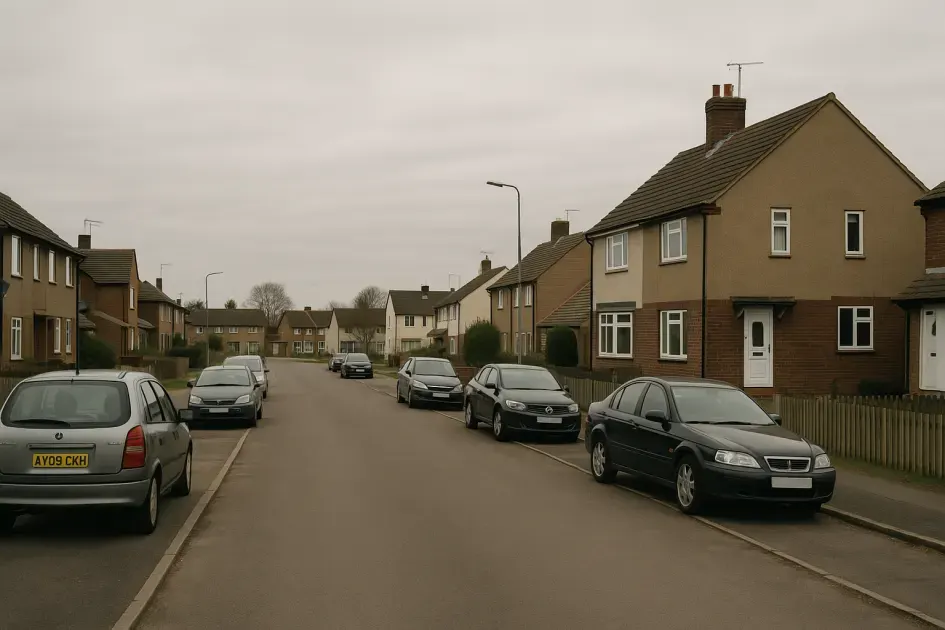
When many households target the same days, start times bunch up. Crews must stack arrivals, so a delay on one job ripples into the next. In Harlow’s narrow terraces and mixed estates, a single lost bay or long kerb-to-door carry quickly extends loading time. Flexibility, such as accepting a mid-morning arrival or moving midweek, gives crews room to reroute, secure closer parking and avoid overlapping with other handovers, which improves schedule reliability. The local conditions behind that are covered in neighbourhood-specific moving differences. A similar pattern shows up in man and van services in Hoddesdon.
Most delays come from access constraints rather than distance once the day is tightly booked. This helps you avoid delays on the day.
Typical Harlow demand cycle
| Period | Operational effect |
|---|---|
| Weekends | Reduced start-time flexibility as many jobs cluster; residential permit streets fill early and overlapping handovers tighten loading windows. |
| End of Month | Tenancy changeovers compress schedules; key-release timing and building lift bookings create narrow slots, so small delays cascade across multiple moves. |
| Summer / Student Areas | Lease renewals and student turnover spike demand; approaches near campuses slow and more lift or bay conflicts appear as streets churn with arrivals. |
| Midweek (Non-peak) | Broader scheduling windows, easier parking near terraces and blocks, and more predictable routes improve the chance of an on-time start. |
Eight Harlow timing drivers
1) How weekend bookings reduce start-time flexibility
With many moves targeting Saturday and Sunday, crews stack jobs more tightly. A late finish upstream pushes arrivals back, while filled permit bays force longer carries and slower turnarounds.
2) Why end-of-month tenancy cycles cluster moves
Contract end dates and key collections align, concentrating starts. Lift and loading-bay reservations create inflexible slots, so any delay increases the risk of missing access windows.
3) How student-area turnover creates seasonal spikes
Summer move-outs and autumn move-ins increase volume near colleges. Streets churn with parked vans, reducing bay availability and stretching carry distances.
4) Why school-run traffic increases scheduling risk
Morning and afternoon peaks slow approaches and block short-stay spaces near schools. Crews arrive later, shrinking loading time before building or permit deadlines.
5) How commuter traffic changes route predictability
Peak-hour flows on key roads limit rerouting options. If an incident occurs, repositioning between addresses takes longer and compresses the remaining loading window.
6) Why building booking rules reduce available slots
Managed blocks require goods-lift or bay reservations. On peak dates, preferred slots disappear first and later timings create more overrun risk.
7) How narrow residential streets increase timing sensitivity
Terrace lines and tight cul-de-sacs limit van positioning. With fewer legal bays, crews spend longer securing space and may face long kerb-to-door carries.
8) Why mixed-density neighbourhoods produce uneven demand
Areas with both flats and terraces see irregular spikes from simultaneous key releases. Shared bays and lift queues raise the risk of cascading delays.
Scenario modelling
Scenario A: Midweek move to a ground-floor flat with accessible on-street parking away from school-run times. A broader arrival window allows the crew to choose the clearest route and secure a closer bay, reducing carry time.
Scenario B: Saturday terrace-house move on a permit-parking street. Early bays fill, so the crew stages further away, increasing the carry. Overlapping neighbour moves compress start options and extend loading.
Scenario C: Month-end move into a managed block near student housing. Goods-lift windows are fixed, school-run congestion delays arrival and student turnover occupies bays. Missed timing forces queueing and a knock-on through the rest of the day.
Practical scheduling checklist
- Permit-only streets → Arrange visitor permits and secure the closest legal loading gap to prevent a long carry.
- Managed buildings with lift windows → Reserve goods lift and loading bay together and confirm key-handover times to avoid idle waits.
- School-run corridors → Set arrivals outside peak school times and pre-plan an alternate approach if the main road stalls.
- Narrow terraces with limited bays → Pre-stage items near the front and keep trolleys or ramps ready for longer carries.
- Month-end handover stacking → Agree a flexible start window and a fallback parking spot so minor delays do not derail access.