
What matters operationally
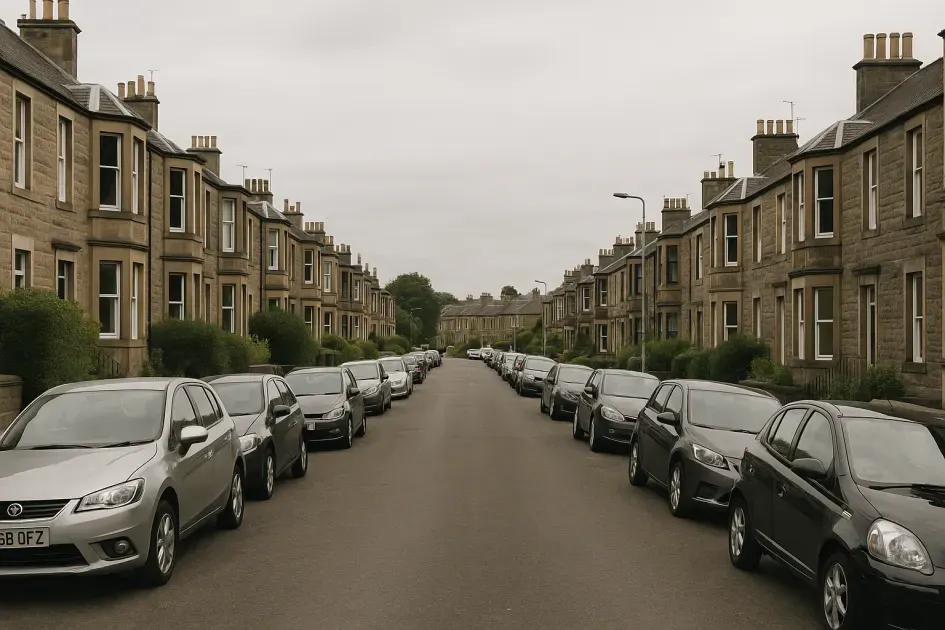
Predictable routes reduce idle time and carrying distance. In Edinburgh, commuter peaks and event traffic create bottlenecks on approaches to the centre, so the chosen arrival window needs to avoid those pinch points. Loading access sets how close the van can get to the entrance; longer kerb-to-door carries or stairs add handling time and require more frequent restaging. Together, route predictability, timing and loading proximity determine how long the crew spends moving rather than waiting. Those access constraints feed directly into how moving costs are shaped by access and time. The timing side of that is clearer in when Edinburgh moves tend to take longer.
How to plan around restrictions
Check live works and event calendars, then select both a primary and a secondary approach route. Confirm loading arrangements, including bay booking, timed limits or permits, and align the arrival window with building access rules. Add buffer time before managed access windows to absorb traffic delays. No active clean-air or charge zone currently applies in Edinburgh, but central loading controls, pedestrian-priority streets and permit areas still require checks and clear instructions for the driver. That is especially visible in man and van services in Morningside.
Eight route-planning variables in Edinburgh
Traffic timing patterns
Commuter peaks, school runs and event days create stop-start flow on arterial roads. Scheduling outside those windows and using less variable side approaches reduces queuing and keeps arrival more predictable.
Central access constraints
Pedestrian-priority streets, bus gates and temporary closures alter direct routes. Map alternatives that avoid restricted turns and make sure the final approach does not require awkward reversing into narrow lanes.
Kerbside loading conditions
Timed bays and busy kerbs near the centre can force re-parking or longer carries. Pre-identify two legal loading points near the entrance and confirm bay rules to prevent mid-load moves. A practical local example appears in man and van services in Leith.
Building access limitations
Lifts with booking windows, concierge sign-in or stairs without lifts add handling stages. Align the van’s ETA with these slots and stage items by floor so the crew avoids bottlenecks at doors and lifts.
Route predictability and delays
Roadworks, diversions and delivery clusters on narrow streets increase uncertainty. Use live updates and set a fallback route so the van can adjust without lengthy detours.
Vehicle suitability and access
Narrow streets, tight turns and arch clearances may limit larger vans. Choose the smallest vehicle that still fits the load to improve kerbside options and reduce the chance of re-routing.
Parking and permit constraints
Controlled zones and resident bays near flats can restrict where the van can wait. Arrange short-stay permissions or visitor permits where applicable, and place cones only if locally permitted.
How clean-air or charge-zone rules affect moves in Edinburgh
No active clean-air or charge zone currently applies in Edinburgh. Central loading rules, bus gates and pedestrian-priority streets still shape route choice, and event-day diversions can extend the approach. Plan legal kerbside options close to the door and choose predictable routes that avoid restricted turns to keep timing steady.
Practical route-planning examples
Example 1: A New Town flat has a timed loading bay. The crew arrives outside commuter peaks, uses the booked window, and keeps a backup bay on the next street to avoid mid-load re-parking.
Example 2: Old Town access is via a narrow lane with pedestrian priority. A smaller van is chosen, the final approach avoids restricted turns, and items are staged at the closest legal kerb to cut carry time.
Example 3: Office move with managed building access. Lift and loading-dock slots are confirmed, the ETA includes a buffer, and the driver holds at a standby point until the dock opens to prevent blocking.
Example 4: Event-day traffic near Princes Street. The route is shifted to quieter parallel approaches, the arrival window moves earlier, and a secondary bay is planned beyond expected barriers.
Example 5: Tenement with stairs and resident permits only. A visitor permit is arranged, the crew brings a dolly for longer carries, and the van noses in carefully to minimise carry distance along the pavement.
Practical route-planning checklist
- Timed bay near entrance → Book the slot and set arrival within the window; add a nearby backup bay to avoid re-parking delays.
- Narrow final approach → Select a smaller vehicle and pre-walk the turn-in to confirm clearance and safe loading position.
- Managed building access → Align ETA with lift or dock times, notify reception and stage items to flow through access points.
- Event or roadworks on route → Choose a secondary approach and add a timing buffer to protect building or bay bookings.
- Permit or controlled parking → Arrange visitor permission or short-stay approval and brief the driver on the exact bay location.
Apply neighbourhood context
Street width, bay rules and traffic timing vary across the city, so check local constraints when planning your final approach.
We provide man and van services across the wider area, including man and van services in Bruntsfield, with bookings managed through one system coordinating bookings with pre-checked drivers.