What matters operationally
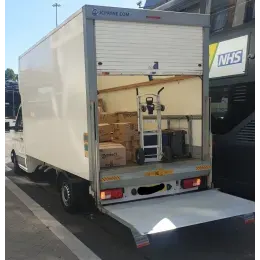
Route predictability is built by choosing approaches that align with legal loading near the door, not by chasing the absolute fastest ETA. Traffic timing on the ring road and key radial routes can compress loading windows, so arriving just before quieter periods protects unloading continuity. Kerbside access—distance from van to door, timed bay rules and marshal oversight—directly adds or removes carrying time. Combined, these factors drive total moving duration more than cruising speed. Those access constraints feed directly into how moving costs are shaped by access and time.
How to plan around restrictions
Check route timing against commuter peaks and event schedules first, then secure loading arrangements that shorten the kerb-to-door carry. Build a buffer to absorb brief traffic spikes without losing a booked lift or loading slot. Coordinate access with building managers so the van’s arrival matches bay availability and key-holding. The timing side of that is explored further in when Coventry moves tend to take longer. That is visible in areas such as man and van services in Canley. Comparable route constraints also appear in man and van services in Walsgrave.
Eight route-planning variables in Coventry
Traffic timing patterns
Flows on the A4053 ring road and feeders like the A444 can tighten arrival windows, especially during commuter periods or event traffic. Timing arrivals for quieter periods reduces idling and preserves lift or concierge slots.
Central access constraints
Bus gates, pedestrian-priority streets and restricted turns near the centre alter approach angles. Plan the exact legal entry that sets the van on the correct side of the street for the nearest loading point.
Kerbside loading conditions
Timed bays and short-stay limits create hard stop durations. Arrive at the start of the window, keep the pathway clear, and stage items to maintain a continuous load-out.
Building access limitations
Lifts on maintenance, security-controlled doors or loading-bay bookings can pause unloading. Confirm building rules, reserve bays where required, and have contact details for onsite staff to avoid idle time.
Route predictability and delays
Temporary works or event diversions introduce uncertainty. Use a primary route plus a vetted fallback that still offers legal loading within a short carry distance.
Vehicle suitability and access
Narrow residential streets, low-headroom car parks or tight courtyards may limit larger vans. Match vehicle size to access geometry to avoid repositioning or shuttling loads from distance.
Parking and permit constraints
Resident bays, controlled streets and estate rules can restrict where a van can wait. Secure visitor permits or authorisations in advance and display them clearly to prevent moves mid-unload.
How clean-air or charge-zone rules affect moves in Coventry
No active clean-air or charge zone currently applies in Coventry. Central traffic controls and timed loading still govern route planning and stop duration, so choose approaches that end at compliant loading spots and align timing with bay windows and building access. Maintain a fallback route that preserves a short carry even if a preferred approach is closed or congested. These route decisions sit within the broader city-wide picture covered on Coventry man and van services.
Practical route-planning examples
Example 1: City-centre flat with a timed loading bay. Arrive at the start of the window, pre-stage boxes inside the lobby, and keep one person with the van to move if a marshal requests.
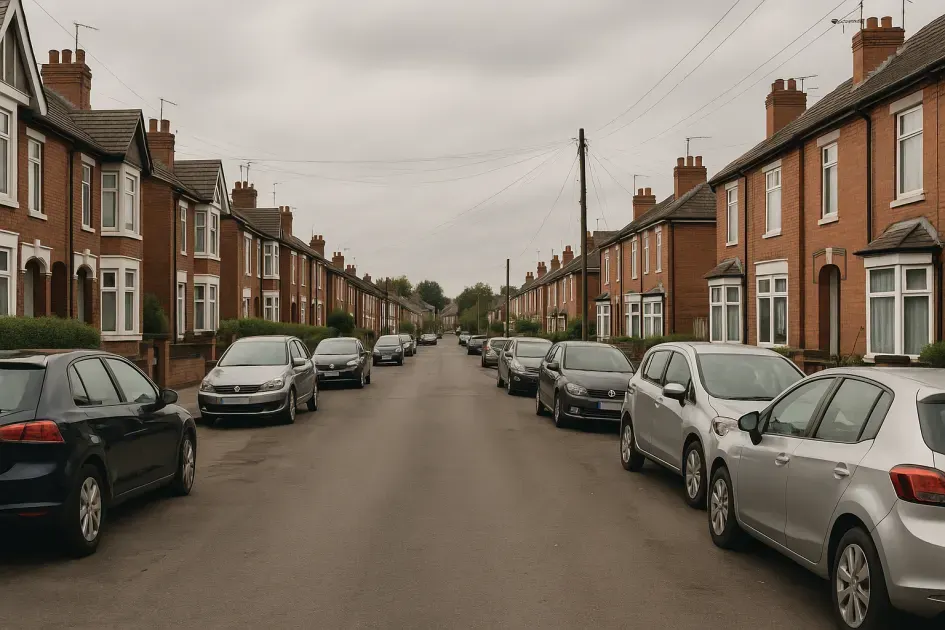
Example 2: Terrace house on a narrow street with resident bays. Obtain a visitor permit, cone the space where allowed, and nose-out park to reduce repositioning once loaded.
Example 3: Office move with managed building access. Reserve the loading bay and lift, share vehicle registration and ETA with facilities, and route via an approach that avoids bus gates near the final turn.
Example 4: Event day near a major venue. Shift departure to miss peak arrival flows, use a feeder road that bypasses expected queues, and add buffer so building access is not lost to slow traffic.
Example 5: Flat with a long kerb-to-door carry. Prioritise a legal stop closest to the entrance over the fastest drive ETA, bring trolleys, and keep pathways clear to sustain a continuous unload.
Practical route-planning checklist
- Timed loading bays → Arrive at the opening minute and stage items to complete within the window.
- Resident-permit streets → Secure visitor permits in advance and display them to prevent mid-move relocation.
- Narrow or busy approaches → Choose a vehicle size that fits the street geometry to avoid shuttling loads.
- Managed buildings → Reserve the bay and lift, share arrival details, and align ETA with access staff hours.
- Event or school-run congestion → Schedule outside peak flows and set a fallback route that still ends at a legal loading point.
Apply neighbourhood context
Street layout, parking controls and building types vary across Coventry, so align your approach and loading plan with the specific neighbourhood.