Why demand patterns matter
When many residents target the same dates, start times compress and small delays cascade through the day. Clustered moves reduce the ability to shift a slot, so any extra carry from distant parking, a long staircase without a lift, or a managed-building loading window can extend the schedule. Flexibility, choosing midweek or non-clustered dates, improves reliability because crews can adjust start times, routes remain more predictable, and alternative loading options are easier to secure. The local conditions behind that are explored in neighbourhood-specific moving differences. A comparable pattern can be seen in man and van services in Tile Hill.
Most delays come from access constraints rather than distance once the day is tightly booked. This helps you avoid delays on the day.
Typical Coventry demand cycle
| Period | Operational effect in Coventry |
|---|---|
| Weekends | Reduced booking flexibility as slots fill early; parking near terraces is busier; leisure and retail traffic reduce route predictability, tightening loading windows. |
| End of Month | Tenancy changeovers cluster moves; fixed key releases and check-outs limit start-time choice; overlap on popular routes increases risk of late arrivals. |
| Summer / Student Areas | Turnover near campuses spikes; short handover windows and lift or loading-bay bookings create bottlenecks; higher footfall and van demand increase loading delays. |
| Midweek (Non-peak) | Wider start-time options; easier parking access reduces carry distance; more predictable routing and a better chance of securing building loading slots. |
Eight Coventry timing drivers
1) How weekend bookings reduce start-time flexibility
Most people target Saturdays, so crews are pre-allocated and the best slots narrow quickly. If parking is occupied or loading takes longer, the next booking leaves little room to recover.
2) Why end-of-month tenancy cycles cluster moves
Contract dates align key releases and check-outs, compressing start windows. With many moves on the same day, route adjustments are harder and delays stack up.
3) How student-area turnover creates seasonal spikes
Late-summer arrivals and departures align in student streets near campuses. Short handover windows and busy stairwells or lifts add handling time and reduce scheduling flexibility.
4) Why school-run traffic increases scheduling risk
Morning and afternoon peaks slow approaches to residential zones. Slower routes squeeze loading windows and can push later jobs into the evening.
5) How commuter traffic changes route predictability
Main corridors like the A45 and approaches to the ring road see variable flow. Congestion disrupts arrival sequencing and increases idle time at addresses with fixed access slots.
6) Why building booking rules reduce available slots
Managed blocks often require loading-bay or lift bookings. When demand clusters, preferred windows are taken first, forcing less efficient loading sequences.
7) How narrow residential streets increase timing sensitivity
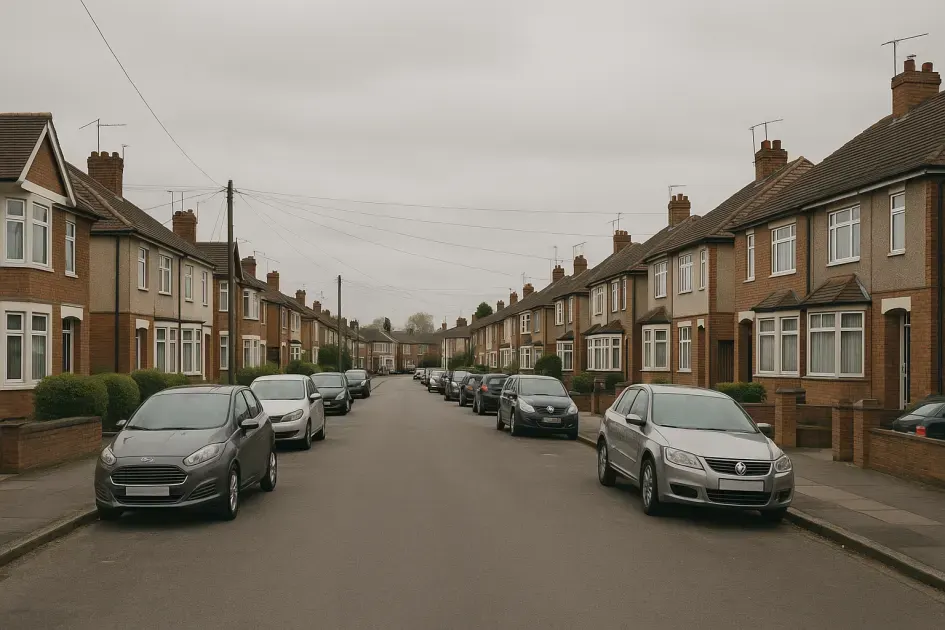
Terrace-lined streets can restrict van positioning and turning. If space is taken, crews park farther away, increasing the carry distance and extending each loading cycle.
8) Why mixed-density neighbourhoods produce uneven demand
Areas with flats, terraces and estates see overlapping needs: lift bookings, permit zones and school traffic. These layers combine to tighten timing and raise overrun risk. When demand tightens, it can change timing and pricing on Coventry moves.
Scenario modelling
Scenario A: Midweek move with flexible keys in a semi-detached street. School-run is avoided, kerb space is available near the door, and route options stay open so loading cycles remain efficient.
Scenario B: Saturday terrace move on a permit-parking street. Spaces fill early, the carry distance increases, and leisure traffic slows the approach, narrowing start-time flexibility and compounding delays.
Scenario C: Month-end move in a student-heavy block with a booked lift and fixed key release. Previous tenants overrun, bay access stacks, and nearby streets are full, so loading windows compress and later tasks slide. One place this pattern becomes visible is man and van services in Canley.
Practical scheduling checklist
- Weekend slot pressure → Hold a midweek backup date to maintain start-time flexibility if access tightens.
- Permit-parking streets → Arrange a visitor permit or temporary suspension to reduce carry distance.
- Managed building rules → Pre-book lift or loading-bay access and confirm durations to avoid conflicts.
- School-run congestion → Set arrival outside school peaks to keep routes and kerb space more predictable.
- Student-area turnover → Avoid late-summer handover days or secure earlier windows to protect loading time.