
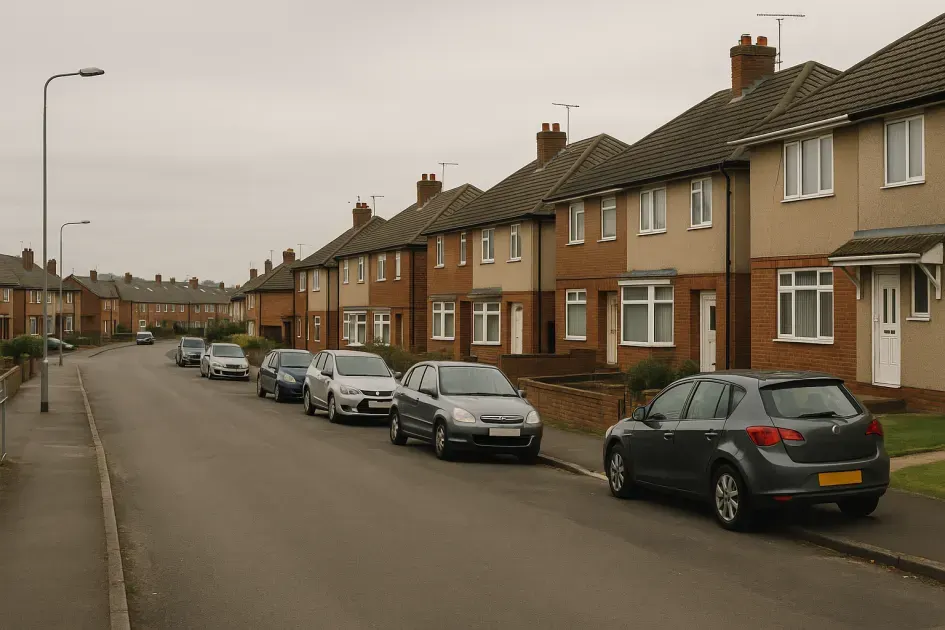
How moving conditions vary across Coventry
Coventry mixes Victorian terraces near the centre, apartment clusters around key corridors, and suburban streets with driveways toward the edges. Where terraces dominate, kerb space is more contested and vans may sit farther from the door, lengthening each carry. In newer apartment zones, loading bays and lifts control timing, creating fixed slots and possible queues. Suburban semis usually allow a closer stop but can still bring cul-de-sacs, parked cars and school-run slowdowns. These layout patterns affect the number of carry cycles completed each hour far more than the short driving distance between neighbourhoods. One clearer neighbourhood example is man and van services in Canley. A contrasting neighbourhood pattern appears in man and van services in Walsgrave.
Neighbourhood access patterns
Inner areas often feature controlled parking and narrower residential streets that restrict where a van can sit without blocking traffic. On-street bays can be busy, so the nearest workable space may not line up neatly with the front door, increasing the kerb-to-door carry. Around apartment developments, loading-bay doors, concierge rules and lift allocations govern how quickly items can move from van to floor. Outer estates typically offer driveways or wider verges, improving proximity but adding turning and reversing manoeuvres on cul-de-sacs. These patterns set the loading rhythm before a single box is lifted. Most delays come from access constraints rather than distance. The route-planning side is covered in Coventry route and loading access planning.
Property and loading differences
Property type dictates carrying distance and handling complexity. Terraces and maisonettes often involve tighter corridors, steps and more doorway turns, which slow bulky furniture. Low-rise blocks may have external staircases that fragment loads into shorter repeated carries. Mid-rise apartments rely on lift capacity; if the lift is shared or small, crews wait between cycles. Detached or semi-detached homes may allow straighter carries from drive to hallway, but longer garden paths or side gates still add steps. Each architectural detail adds seconds per item, and that compounds across a full move.
How to choose the right planning approach
Start by identifying the slowest part of the move: parking proximity, stairs, lift access or street width. If kerb access is uncertain, prioritise permits or bays close to the entrance to reduce carry time. Where lifts or loading bays are managed, line arrival up with the booked window and stage heavier items for the earliest runs. On tighter terraces, consider a smaller van or a shuttle approach to keep the kerb clear and usable. If route predictability is the risk, aim for off-peak arrival and add contingency for ring-road pinch points. Align van size, crew count and timing to the main constraint. The pricing effect of those conditions is clearer in how these conditions affect moving costs. This helps you avoid delays on the day.
City-wide baseline: time drives outcomes
Coventry’s mix of Victorian terraces, apartment blocks and suburban semis means loading time varies more with access than distance. Parking availability sets the carry length, housing density influences bay turnover, building access shapes lift or stair waiting, and route predictability affects arrival windows. Efficient moves keep the van close, minimise stairs or tight turns, and avoid peak congestion. When any of these factors weaken, crews complete fewer cycles per hour and schedules stretch even for short hops across the city.
Eight variables that change moving time locally
1) How permit parking delays loading
Permit zones can push a van away from the door if no visitor permit or pre-arranged bay is available. Each extra metre of carry multiplies across boxes, furniture and appliances, adding repeated trips and extra walking time. Securing a visitor permit or a temporary dispensation close to the entrance keeps the loading rhythm steadier.
2) Why terrace streets limit van positioning
Narrow terraces reduce passing space and turning radius, so a larger van may block traffic or struggle to align with the entrance. To avoid obstruction, drivers may stop at junctions or gaps, increasing the carry distance and introducing awkward handling angles.
3) How building layout alters carrying distance
Stairs without lifts, split-level corridors and rear access routes add steps before an item reaches the van. Tight stair turns slow larger furniture, while longer hallways reduce the number of full loads completed each hour.
4) Why managed buildings introduce lift booking delays
Apartment blocks with booking systems create fixed loading windows and shared lift access. If a previous booking overruns or the lift is busy, crews wait between cycles and the whole move becomes more stop-start.
5) How street width affects van access
Wider carriageways allow door-side stops and straighter loading lines. Narrow streets often force offset parking, awkward ramp positions and slower manoeuvring, especially for longer-wheelbase vans.
6) Why route predictability changes travel time
Coventry’s ring road junctions and local school-run corridors can cause short, sharp congestion. When arrival timing is unreliable, crews have to build larger buffers before lift bookings or loading-bay windows.
7) How loading bay rules affect unloading speed
Some apartment and commercial sites require check-in, fob access or time-limited bays. Minutes lost securing access or relocating the van break the unloading flow and stretch the job even when the internal route is short.
8) Why neighbourhood traffic patterns delay moves
Local patterns like market-day traffic, school start and finish surges, and event routes change travel reliability. Small repeated delays at pinch points disrupt synchronised arrival with building bookings and resident availability at both ends.
Practical planning checklist
- If permit parking restricts kerb access, arrange a visitor permit or a pre-approved bay directly outside the entrance.
- If stairs or tight corridors limit handling, disassemble large items and stage them near the exit before the van arrives.
- If street width is narrow for larger vans, choose a smaller van or plan a short shuttle carry to avoid blocking traffic.
- If peak traffic reduces route predictability, target off-peak arrival and add buffer before any lift or loading-bay booking.
- If the kerb-to-door carry is long, pre-clear walkways and use dollies or straps to keep each carry efficient and continuous.
Scenario examples
Example 1: A studio flat to suburban semi in Walsgrave using a small van with one mover. Driveway access at both ends enables door-side loading, keeping carries short and limiting delays.
Example 2: A one-bedroom terrace in Foleshill to a similar terrace using a medium van with two movers. Permit parking and a long kerb-to-door carry slow cycles and add time through repeated walks.
Example 3: A two-bedroom house move from Canley to Tile Hill using a medium van with two movers. School-run congestion near campus and tighter terrace parking extend the schedule despite the short distance.
Example 4: A two-bedroom city-centre apartment to Earlsdon using a long wheelbase van and two movers. Lift booking and a timed loading bay create fixed windows; waits between lift runs extend total duration.
Example 5: A three-bedroom terrace to a suburban semi using a Luton van and three movers. Narrow terrace street forces a shuttle approach, and destination permit rules limit dwell time, compounding delays.
Apply neighbourhood context
Different Coventry neighbourhoods create distinct planning conditions: permit zones near denser streets, terrace widths that restrict larger vans, apartment lift bookings, and suburban driveways with easier kerbside access. Parking layouts, housing density and building access rules vary across different parts of Coventry. The guides below explain the practical moving considerations for each neighbourhood. All of these neighbourhood differences feed into the wider city-wide pattern covered on Coventry man and van services.