What affects cost planning for moves in Coventry
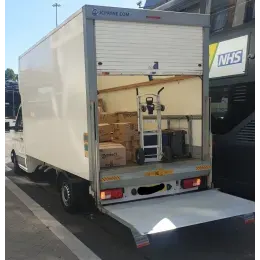
Local moves cost more than expected when loading and unloading take longer than assumed. Short drives across Coventry rarely dominate the schedule; it is the carry distance from kerb to door, stairs versus lift, and whether a van can park nearby that control the pace. Stairs increase cost by slowing each load cycle. Parking restrictions increase cost when crews must park farther away, wait for a bay, or shuttle items. Scheduling pressure becomes clearer when viewed alongside Coventry demand patterns at different times. A useful local example can be seen in man and van services in Canley.
Distance affects cost mainly when driving time is substantial. For local moves within Coventry, the handling at each property sets the hours. Lift bookings, concierge rules and timed loading bays can create waiting periods. Traffic near ring-road junctions and school-run congestion tighten loading windows and reduce schedule flexibility. Loading time usually outweighs driving time, which is why accurate access notes make such a difference to the final total.
What affects cost planning for moves in Coventry
| Cost driver | What changes the time | Why it affects total cost |
|---|---|---|
| Parking access | Permit zones, unavailable bays, narrow residential streets, or long kerb-to-door carries | Longer walking distance and shuttling reduce items moved per hour, extending paid labour time |
| Building layout | Stairs without lifts, tight corridors, split levels, or distant lifts | Each trip is slower and requires more handling, increasing total load and unload cycles |
| Van size / movers | Larger loads need larger vans or more movers; undersized vans cause extra shuttles | Right-sizing keeps loads efficient; under-sizing increases trips and hours |
| Route timing | School-run and commuter peaks, ring-road bottlenecks, event traffic | Reduced arrival predictability and loading windows extend the schedule |
| Lift or loading-bay bookings | Timed slots, shared access with other tenants, key-holding delays | Waiting reduces active loading time, pushing the job into extra hours |
| Packing readiness | Loose items, unboxed contents, or furniture not dismantled | Handling is slower and requires more trips, increasing overall duration |
Typical move price patterns in Coventry
Because labour time drives cost, moves scale with how long crews are actively loading, driving and unloading. Two similar-looking moves can differ widely: a ground-floor terrace with easy parking is fast, while an upper-floor flat with a long carry is slower even across the same distance.
| Move type | Typical time range | What affects duration |
|---|---|---|
| Single bulky item or a few boxes | Brief slot | Kerbside access, lift availability, and distance from van to door |
| Studio or 1-bed flat, local | Short half-day | Stairs versus lift, parking proximity, and packing readiness |
| 2-bed house, local | Half-day to most of a day | Loading distance, furniture volume, and route timing |
| 3-bed house or split-level flat | Most of a day to full day or more | Multiple floors, disassembly needs, and any permit or bay constraints |
Cost examples by move type
Example 1: Small room of furniture, easy parking
A few boxed items and a sofa moved between ground-floor terraces with an open kerbside space. Short carries and level access keep each load cycle quick, limiting hours.
Example 2: Small move with permit parking
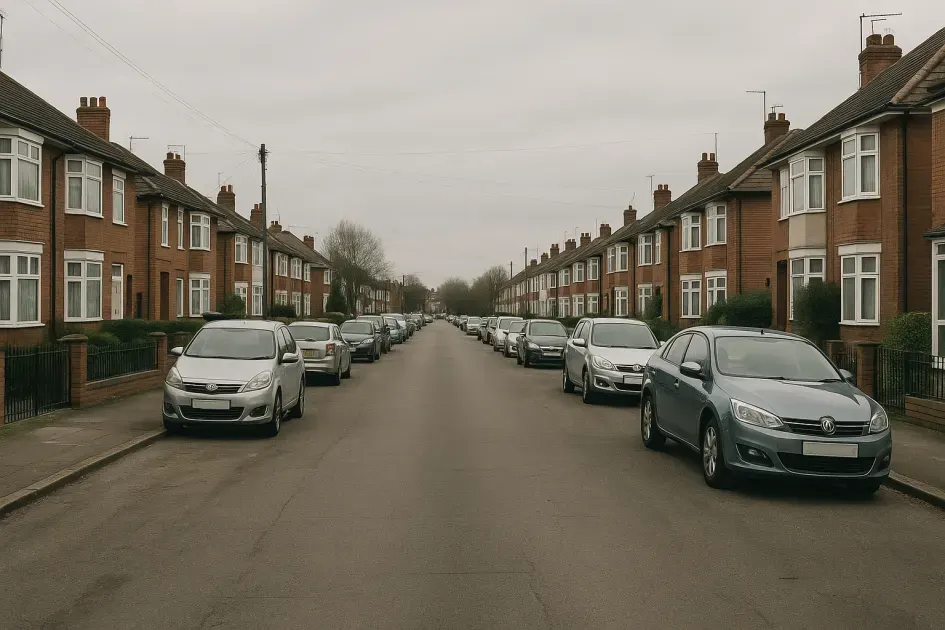
Similar volume, but the destination is on a permit street with no immediate bay. The van parks farther away, adding a longer carry. Each trip takes longer, extending labour time.
Example 3: One-bed flat with a booked lift
Moderate load from a first-floor flat to a mid-rise with a goods lift. When the lift is available, handling is efficient; if the slot is missed, crews wait and the schedule stretches.
Example 4: Two-bed house to two-bed house
Larger household items with disassembly of a bed and wardrobe. Even with decent parking, time rises because furniture preparation and reassembly add necessary handling steps.
Example 5: Upper-floor apartment with long internal routes
A complex move into a managed building with a loading bay, key collection and shared lift. Coordinating bay access and navigating long corridors reduces items moved per hour and pushes the job into a longer day.
How to keep the move efficient
- Permit or controlled parking → Arrange a visitor permit or reserve a bay so the van can park close and cut the kerb-to-door carry.
- Stairs or long internal routes → Use sturdy, closed boxes and limit loose items to reduce trips and handling time.
- Lift or loading-bay rules → Pre-book the goods lift and confirm bay times to avoid waiting and keep continuous loading.
- Bulky furniture → Dismantle beds, wardrobes and table legs in advance so crews can carry pieces safely in fewer trips.
- Narrow streets or school-run peaks → Target mid-morning or early afternoon slots to improve access and reduce congestion-related delays.
- Accurate inventory and access notes → Share item lists, floor levels and entrance photos so the van size and team are right first time.
Coventry’s neighbourhoods vary: terraces with tighter streets, mid-rise flats with managed access, and newer estates with designated bays all create different loading conditions that change timing and cost. Plan for the specific access at your addresses.