What matters operationally
Good route planning is really about protecting the working window at each address. A route only works if it gets the van to the right place at the right time, with enough margin for parking, sign-in and any lift or bay procedure. In Birmingham, ring-road pressure, event traffic and central restrictions can all undermine that if they are treated as an afterthought. The most reliable plan is usually the one that makes unloading simplest, even if the drive itself is not the absolute shortest. Those access constraints feed directly into how moving costs are shaped by access and time.
How to plan around restrictions
Check live traffic and any event calendars the day before and again on the morning of the move. Confirm where the van can legally load at both addresses and whether that loading point needs a permit, booking or security clearance. Add buffer time when the destination has a goods lift, a timed bay or a controlled entrance. The aim is not just to avoid congestion; it is to line up the route with the real access process on site. The timing side of that is clearer in when Birmingham moves tend to take longer. Similar route constraints also appear in man and van services in Sutton Coldfield.
Eight route-planning variables in Birmingham
Traffic timing patterns
AM and PM peaks around the Middleway and major spurs can slow the approach enough to affect loading slots. School-run traffic can create shorter bursts of friction on otherwise manageable residential roads.
Central access constraints
Bus gates, one-way systems, width limits and turn restrictions often mean the direct line to the address is not usable for a moving van. That can turn a simple approach into a loop that eats into the loading window.
Kerbside loading conditions
Timed bays, yellow-line exemptions and short-stay limits all affect how long the van can remain in position. If the legal loading point is farther away, the move becomes slower even before the first item reaches the door.
Building access limitations
Loading-bay bookings, security sign-in and goods-lift availability can be just as important as the road route. A well-timed drive is wasted if the building cannot actually receive the move on arrival.
Route predictability and delays
Roadworks, lane closures and temporary diversions reduce flexibility and can make a route that looked fine the day before much less usable on the day itself. Backup approaches matter most when the destination has a fixed access window.
Vehicle suitability and access
Some streets and service areas are easier with a shorter or lower vehicle. Choosing the right van can prevent failed approaches, awkward turning attempts and longer unloading distances.
Parking and permit constraints
Residents-only streets, controlled hours and app-based bays influence where the vehicle can wait and how long it can stay. Missing one permit detail can easily turn a close-loading move into a longer shuttle job.
How clean-air or charge-zone rules affect moves in Birmingham
In Birmingham, the Clean Air Zone can influence route choice and vehicle planning for central access. Where a move enters or crosses the zone, crews may need to use a compliant vehicle or plan the route so timing, cost and bay access still work together.
Practical route-planning examples
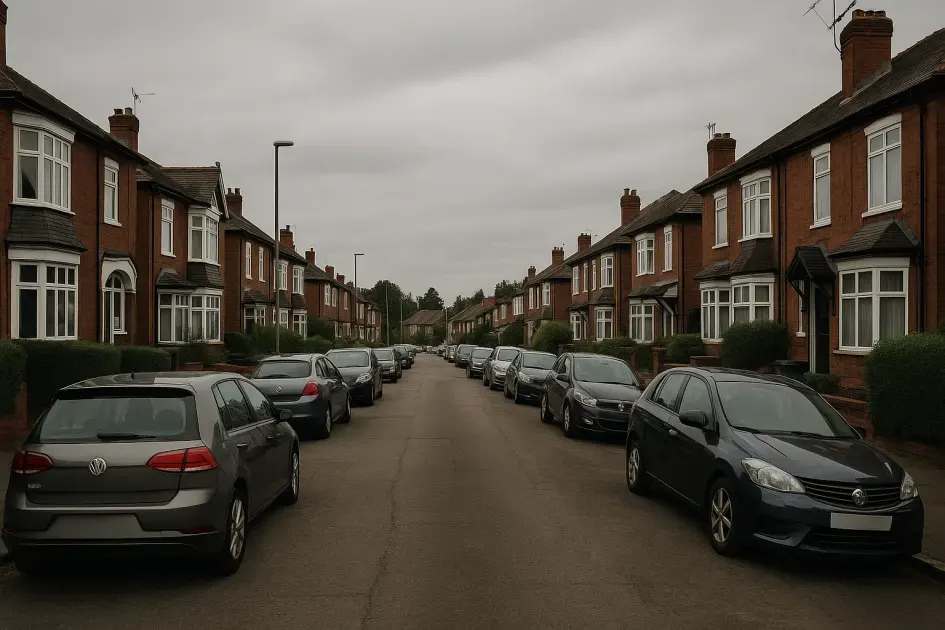
Example 1: Permit-only terrace street in Balsall Heath with narrow carriageway. Action: arrive outside peak traffic, secure the closest legal position, and stage items near the entrance before the main loading push.
Example 2: City-centre apartment with a short loading-bay booking and goods-lift key. Action: time the approach to the bay window and keep paperwork ready so unloading starts immediately on arrival.
Example 3: Northfield to Jewellery Quarter during an arena event. Action: avoid the most affected central corridors and build a route that protects the destination slot rather than chasing the shortest drive.
Example 4: Cul-de-sac with tight turning and a longer carry from the nearest legal space. Action: choose a van that can approach safely and use handling gear to keep the shuttle efficient.
Example 5: Office delivery near Colmore Row with security sign-in and shared lift. Action: pre-file access details and align arrival so building formalities happen before the booked handling window is lost.
Practical route-planning checklist
- Residents-only or timed bays → Arrange permits or booked windows and confirm the exact bay location before the move.
- Event-day congestion near venues → Shift ETAs outside the busiest periods and keep a backup corridor ready.
- Long kerb-to-door carry → Bring dollies, straps and ramps, and stage heavy items closest to the exit.
- Managed building access → Confirm bay booking, security requirements and goods-lift timing so vehicle arrival matches access.
- One-way systems and turn bans → Pre-map both the primary approach and an alternative if the first route becomes unusable.
Apply neighbourhood context
Street design, building rules and parking controls vary widely across Birmingham and the wider West Midlands, so route planning should always reflect the actual conditions at both addresses.
We provide man and van services across the wider area, including man and van services in Solihull, man and van services in Wednesbury, man and van services in Aston, and man and van services in Balsall Heath, with bookings managed through a single booking system with vetted local drivers.