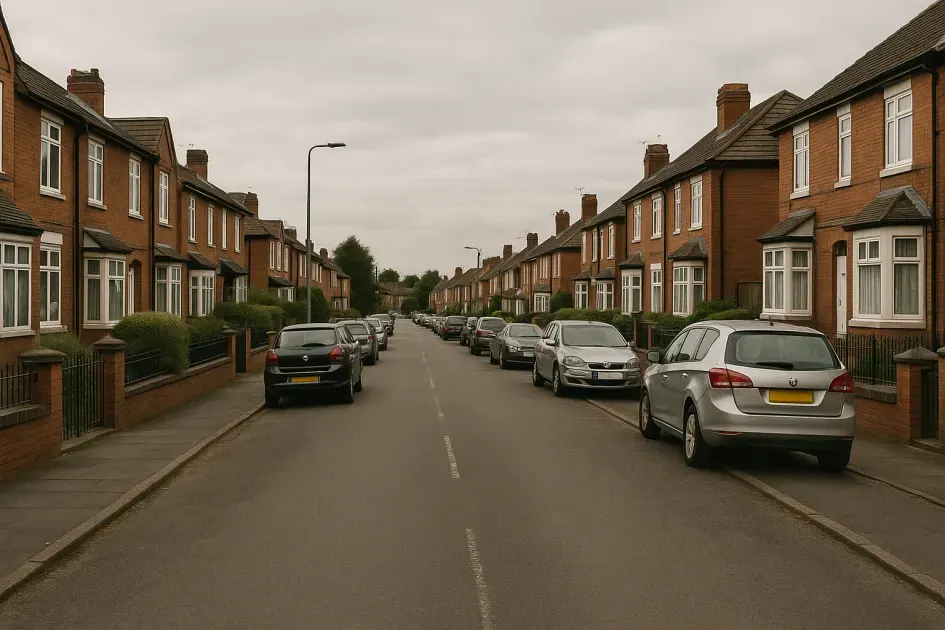
What affects cost planning for moves in Birmingham
Costs rise when loading and unloading take longer than expected. In Birmingham, that usually happens because the van is farther from the entrance, the property has stairs or awkward internal turns, or building rules interrupt the flow. A short move can still become expensive if the crew spends most of its time carrying items down a terrace street, waiting for a lift, or navigating a long corridor in a flat block. For a wider view of coverage across the city, explore Birmingham man and van services. You see the timing side more clearly in when scheduling pressure builds across Birmingham.
Van size and crew size matter too, but only when matched to the job. A van that is too small adds extra trips. A van that is too large for the street can create access problems. The most efficient jobs are the ones where the vehicle, crew and route fit the property conditions at both ends. Travel timing and access windows are a major part of how route planning affects Birmingham moves.
What affects cost planning for moves in Birmingham
| Cost driver | What changes the time | Why it affects total cost |
|---|---|---|
| Parking access | Permit zones, no onsite parking, or distant legal bays increase kerb-to-door carry | Each load takes longer to move, increasing labour hours billed |
| Building layout | Stairs, narrow corridors, or lift bookings/queues slow internal movement | Reduces load throughput, extending the schedule and overall cost |
| Van size / movers | Small vans need more trips; too few movers bottleneck handling; oversized vans may face access limits | Right-sizing reduces trips and waiting; mismatches add time and cost |
| Route timing | City-centre peaks, ring-road delays, and school-run congestion compress loading windows | Unpredictable arrivals and tighter slots increase idle time and total hours |
Typical move price patterns in Birmingham
Because labour time is the main cost driver, pricing usually scales with duration rather than mileage. Two homes the same distance apart can produce very different totals if one has direct driveway loading and the other involves stairs, permits or a timed bay. Loading time usually outweighs driving time, which is why access notes matter so much when pricing a job properly.
| Move type | Typical time range | What affects duration |
|---|---|---|
| Single-room or minimal items | Shorter window | Close parking, ground-floor access, and pre-packed items keep handling quick |
| 1-bed flat, light contents | Half-day style | Lift access vs. stairs, corridor width, and loading bay rules shape throughput |
| 2-bed home | Extended half-day to full-day | Parking distance, furniture dismantling, and route timing (school run) add or save time |
| 3-bed+ or high-volume contents | Full-day to multi-day | Multiple van loads, complex layouts, and managed building schedules extend handling |
Cost examples by move type
Example 1: Studio to studio, ground-floor access
Small inventory, legal parking within a short carry, and a simple path from door to van. The work stays compact because the crew can keep loading without interruption.
Example 2: One-bed flat with permit parking
The driving distance is short, but the legal bay is down the street. Each trip takes longer, so the move costs more than the mileage suggests.
Example 3: Two-bed terrace with stairs
A moderate load spread across two floors. Stair trips, tighter landings and slower furniture turns all add labour time, even when the addresses are close together.
Example 4: Three-bed house to city-centre apartment with loading bay
The larger inventory is manageable, but the destination works to a booked bay and lift window. If arrival slips, the crew loses momentum and the job becomes more expensive through waiting time.
Example 5: Flat move from narrow residential street to mid-rise with lift booking
The origin address limits van positioning, while the destination depends on a fixed lift slot. Those two access issues create more cost pressure than the journey between them.
How to keep the move efficient
- Permit or limited parking → Arrange a temporary permit or a legal loading spot close to the entrance so the carry stays short.
- Stairs or long internal routes → Stage items near exits and pack boxes securely so each trip can move more volume safely.
- Lift-controlled buildings → Reserve the lift and loading bay in advance and confirm the slot with building management.
- Narrow access or large furniture → Dismantle bulky items early so crews are not losing time on awkward turns in hallways or stairwells.
- Peak-traffic routes → Time the move outside ring-road peaks or school-run windows to protect the access slot at the destination.
- Inventory accuracy → Share clear access notes, photos and an honest item list so the right van and crew are allocated.
Birmingham neighbourhoods vary widely. Some roads are straightforward with driveways and easier access, while others mean permits, timed bays, apartment rules or slower internal routes. Understanding those conditions early is what gives you the clearest picture of cost.
We provide man and van services across the wider area, including man and van services in Smethwick, man and van services in Walsall, man and van services in Aldridge, and man and van services in Aston, with bookings managed through one system coordinating bookings with pre-checked drivers.