What matters operationally
A good route only works if it gets the van to the right place at the right time, with enough room for unloading to begin immediately. In Belfast, that means balancing central access limits, school-run pressure, local events and the availability of a legal stopping place. The goal is to protect the working window at the property, because that is where most of the time is usually won or lost. A practical local example is man and van services in Ormeau.
How to plan around restrictions
Check route timing against commuter peaks and known event schedules, then lock in a primary and fallback approach. Confirm loading options at both ends: where the van can legally stop, how access works inside the building, and whether any lift or bay booking is required. Add buffer where the destination relies on security sign-in, controlled entry or a short loading window. Clean-air and access rules in Belfast sit alongside the more practical issues of timed bays and managed buildings, so the strongest plan is the one that lines the drive up with the real access process on site. The timing side of that is clearer in when Belfast moves tend to take longer. Those access constraints feed directly into how moving costs are shaped by access and time. Similar route constraints also appear in man and van services in Holywood.
Eight route-planning variables in Belfast
Traffic timing patterns
Commuter and school-run surges slow approach routes and reduce parking turnover. Those extra minutes matter most when the destination depends on a timed bay or building slot. That is especially visible in man and van services in Lisburn.
Central access constraints
Streets near civic, retail and office hubs often restrict vehicle access at set hours. That can turn a simple route into a longer approach that leaves less time for unloading.
Kerbside loading conditions
Timed bays, mandatory vehicle attendance and loading-only rules mean preparation has to be tighter. The smoother jobs are usually the ones where staging and access admin are already done before the vehicle arrives.
Building access limitations
No-lift buildings, keycard-controlled lobbies and goods-lift pauses can matter just as much as the road route. A well-timed drive still fails if the building cannot receive the move when the van gets there.
Route predictability and delays
Road works, event diversions and local bottlenecks reduce flexibility and can make a route that looked fine the day before much less usable on the move itself. Backup approaches matter most when access windows are fixed.
Vehicle suitability and access
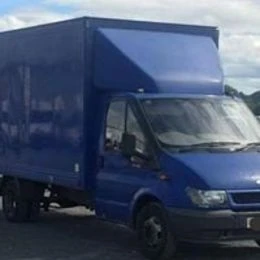
Narrow streets, tight turns and low entries can make a larger van less practical than it looks. In some cases, the better option is the vehicle that can stop close and unload cleanly.
Parking and permit constraints
Permit-only streets and short-stay rules affect where the van can wait and how long it can remain in place. Missing one permit detail can quickly turn a close-loading move into a longer shuttle job.
How clean-air or charge-zone rules affect moves in Belfast
No active clean-air or charge zone currently applies in Belfast. Day-to-day moving delays are usually shaped more by timed loading, managed dock access and building coordination than by wider charging rules, so that is where most planning effort should go.
Practical route-planning examples
Example 1: Suburban terrace to a city-centre office. The strongest plan is to confirm the bay slot first, then build the route around arriving into that unloading window.
Example 2: Apartment without a lift. A legal stopping place close to the entrance matters more than shaving a few minutes off the drive.
Example 3: Cross-city move on an event day. A backup approach and a slightly earlier start protect the destination slot if the main route becomes unreliable.
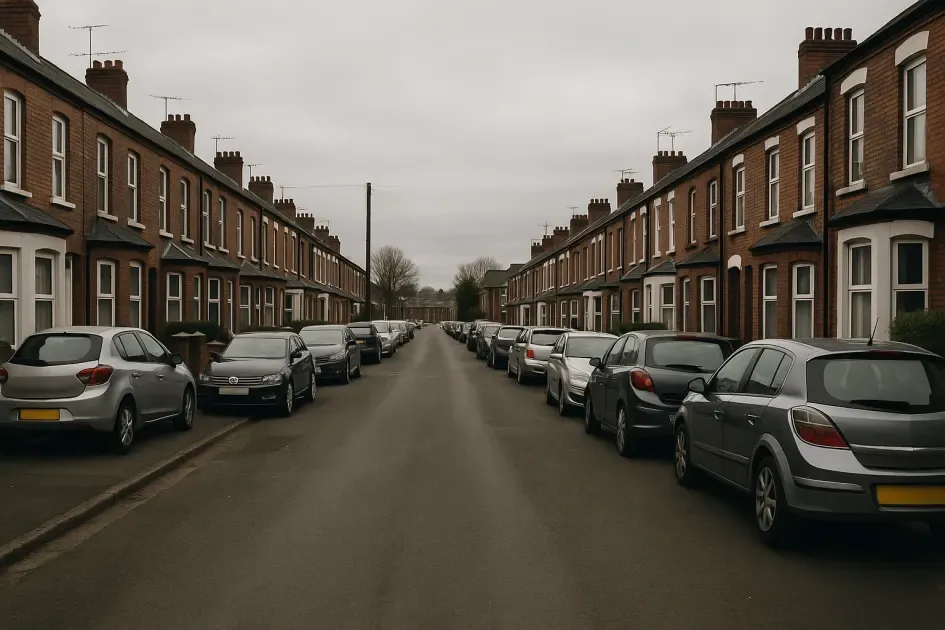
Example 4: Permit-controlled residential street near schools. A visitor permit and an arrival outside the busiest local window keep the move more stable.
Example 5: Narrow lane with tight turns. A shorter wheelbase can save more time overall if it keeps the van closer and avoids awkward repositioning.
Practical route-planning checklist
- Permit-only or timed bays → Obtain the correct permit or dispensation and identify the nearest legal fallback space in advance.
- Managed building access → Book the loading bay and lift and share vehicle details early so arrival matches the access window.
- Short loading windows → Pre-stage items at the doorway and keep access admin complete before the vehicle arrives.
- Unpredictable routes → Set primary and alternate approaches and keep an eye on works or local closures before departure.
- Long kerb-to-door carry → Reserve the closest legal stopping point and use trolleys or straps to reduce repeated trips.
Apply neighbourhood context
Street width, bay rules and access timings vary across Belfast, so route planning works best when it reflects the real conditions at both addresses rather than just the mileage between them.