
What affects cost planning for moves in Belfast
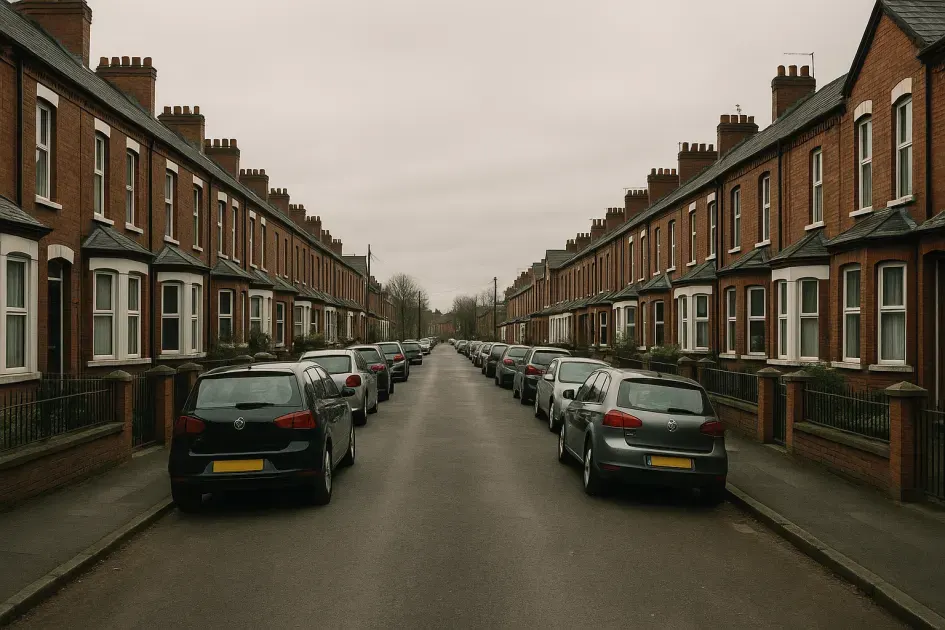
Moves cost more than expected when loading and unloading take longer than the drive. In Belfast’s terraces and mixed-density blocks, the minutes lost to parking restrictions, long kerb-to-door carries or stair-only access quickly outweigh the short travel time between addresses. For a wider view of coverage across the city, explore Belfast man and van services. Travel timing and access windows are a major part of how route planning affects Belfast moves.
Distance affects cost mainly through time. Two nearby addresses can have very different totals if one depends on a lift booking and a long corridor while the other has direct kerbside loading. Loading time usually outweighs driving time, which is why accurate access notes make such a difference when planning the budget. It also reflects how neighbourhood layout changes moving time.
Van size and crew size matter too, but only when they suit the property conditions. A smaller van may mean extra trips, while a larger one can be harder to position on a tighter road. The best-value setup is usually the one that fits the actual constraints at both addresses.
What affects cost planning for moves in Belfast
| Cost driver | What changes the time | Why it affects total cost |
|---|---|---|
| Parking access | Permit-only streets, clearways, limited kerb space, distance from door | Longer kerb-to-door carries and re-parking add repeated handling minutes that accumulate into extra labour hours. |
| Building layout | Stairs, narrow turns, small lifts, long corridors, coded doors | Slower, staged moves and careful handling reduce item flow rate, increasing total time on site. |
| Van size / movers | Capacity match, crew size, street width for manoeuvring | Right-size van and crew reduce shuttling and lift times; oversized vehicles or too few hands create delays. |
| Route timing | School-run congestion, bus lanes, city-centre loading windows | Predictable, off-peak routing shortens travel segments; peak windows extend the schedule and total billed time. |
Typical move price patterns in Belfast
Because labour is time-based, price usually scales with duration rather than mileage. Two similar homes can land at very different totals if one offers easy kerbside loading and the other relies on stairs, permits or a timed bay. If you are budgeting a move, this is usually what matters most. You see the timing side more clearly in when scheduling pressure builds across Belfast. A local example of this is man and van services in Ormeau.
| Move type | Typical time range | What affects duration |
|---|---|---|
| Single bulky item or a few boxes | Very short to short window | Proximity of parking to the door, stair count, lift size, and wrapping needs. |
| Studio or 1-bed flat (local) | Short to moderate | Lift booking, corridor length, permit bays, and carry distance at both ends. |
| 2-bed flat or small house | Moderate | Disassembly needs, stair-only access, van capacity vs. volume, route timing. |
| 3-bed house (across town) | Moderate to long | Parking for a larger van, school-run traffic, and loading space for bulky furniture. |
Cost examples by move type
Example 1: Small room move, easy kerbside
Ground-floor to ground-floor within Belfast, with legal parking directly outside both addresses and items staged by the door. Fast loading and minimal carry keep the labour window compact.
Example 2: Small flat with permit parking on a tight terrace
The journey is short, but the van has to park farther down the street. That longer carry and occasional repositioning raise the total more than the mileage suggests.
Example 3: One-bed flat with lift booking
Access depends on a booked lift in a managed block. If the slot is missed or the lift is busy, the move becomes more expensive through waiting and slower unloading.
Example 4: Three-bed semi with capacity trade-offs
A larger van fits the volume in fewer trips, but only if it can park safely close to the entrance. Matching the vehicle to the street can save more time than simply choosing the biggest option.
Example 5: City-centre apartment with loading bay and peak traffic
The building requires a loading slot and vehicle details in advance. If arrival slips into a busier traffic window, the delay affects the whole unloading phase and lifts the final cost.
How to keep the move efficient
- Permit-only street → Arrange visitor permits or a council dispensation in advance so the van can park legally and close to the door.
- Busy terrace with limited kerb space → Coordinate with neighbours and choose an early start to secure a nearby bay and shorten the carry.
- Stair-only or small lift access → Pre-book lift slots where possible and stage items by floor, keeping heavy pieces nearest the exit.
- Long internal corridors → Consolidate boxes onto dollies or trolleys and group items room-by-room to reduce back-and-forth trips.
- Large furniture and tight turns → Disassemble wardrobes or bed frames and protect corners so awkward handling does not slow the move down.
- Vehicle or height limits → Confirm any access restrictions early and choose a van that fits the building and street layout.
- Traffic pinch points → Avoid school-run and peak commuting windows so the route stays more predictable.
- Access details → Share clear photos, door codes, lift information and any building rules so the crew can plan properly.
Belfast’s neighbourhoods vary in parking layout, housing density and loading conditions. Some streets are straightforward with driveways or easy frontage, while others involve permits, apartment rules or slower internal routes. Understanding those conditions early gives you the clearest picture of likely cost.
We provide man and van services across the wider area, including man and van services in Stranmillis and man and van services in Whiteabbey, with bookings managed through a single booking system with vetted local drivers.
Plan your move in Belfast
Check the price and availability for your addresses, moving date and loading requirements. Book through Find My Man and Van; we allocate a suitable provider after booking.
Small local collection: £48.00 total — example for Belfast.
1 × small van; Customer Loading/Unloading; 5 miles, 1.5 hours, ground-floor access. Modelled for 3 November 2026. Your quote depends on your actual move details and date.
Providers covering the Belfast area
Local coverage is a guide, not a reservation of these providers. Explore local providers.