
How moving conditions vary across Belfast
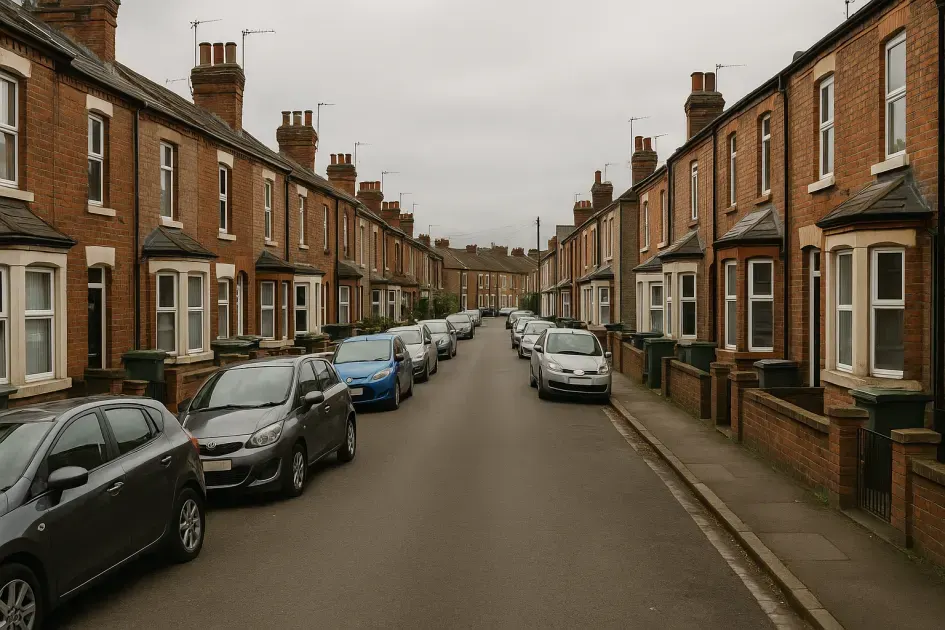
Inner Belfast combines Victorian terraces, one-way streets and tighter kerbside space, so vans often have less freedom to stop right outside the door. The Titanic Quarter and city core add apartment buildings where loading bays, lifts and concierge procedures can shape the day more than the drive itself. Outer districts with semis, detached homes and driveways usually make kerb access simpler and keep carries shorter. In practice, time is won or lost at the address far more than on the road.
Neighbourhood access patterns
Terrace-lined streets often leave residents relying on permit bays or short-stay spaces, which can increase the distance between van and entrance. Apartment clusters nearer the centre may offer dedicated loading areas, but those gains are often balanced by sign-in, lift bookings or shared access windows. In lower-density suburban areas, clearer turning space and easier parking can make the loading cycle far more consistent. Most delays come from access constraints rather than distance, especially when both addresses have limited kerbside options.
Property and loading differences
Property type changes the effort of every trip. Terraces may involve steps, tight hallways and awkward turns for sofas or white goods. Flats can be quick when the lift is available and the bay is close, but much slower when the route includes shared corridors, key-controlled lobbies or protection rules for communal areas. New-build blocks sometimes look straightforward from outside, yet a long internal walk or a strict loading slot can still stretch the job. Suburban homes with driveways and level entrances usually allow steadier staging and fewer interruptions.
How to choose the right planning approach
Start with the most restrictive address rather than the shortest route. If one property depends on a permit bay, a lift booking or a tight street, that is the condition the day should be built around. Where kerbside space is limited, secure the closest legal position early. Where the internal route is long, stage boxes near the exit and use trolleys to keep the handling pace steady. A good plan protects continuous loading instead of assuming the drive will be the difficult part. This helps you avoid delays on the day.
City-wide baseline: time drives outcomes
Belfast’s mix of terraces, apartment developments and suburban housing creates streets with very different loading conditions. In practical terms, moving time usually comes down to four things: how close the van can get, how crowded the kerb is, how easy the building is to work through, and how predictable the route is between addresses. When those four things line up well, even a cross-city move can feel straightforward. When they do not, the schedule extends quickly. Vehicle-positioning issues are easier to understand through man and van services in Lisburn.
Eight variables that change moving time locally
1) How permit parking delays loading
Permit zones can push the van into the nearest legal space rather than the ideal one. That may only add a short walk, but repeated across a full move it slows every loading cycle and can create re-parking if the timing is tight.
2) Why terrace streets limit van positioning
Narrow terrace streets restrict turning and make it harder to align a longer vehicle neatly with the front door. That makes bulky items slower to handle and reduces the efficiency of each trip.
3) How building layout alters carrying distance
Long corridors, split-level entrances and narrow stairwells all add metres and handling touches. Even when parking is fairly close, the internal route can still be the part that stretches the move.
4) Why managed buildings introduce lift booking delays
Concierge sign-ins, lift keys and timed slots can make a move more organised, but they also create fixed windows. If arrival slips or the lift is shared, unloading becomes slower and more stop-start.
5) How street width affects van access
Tighter streets, parked cars and restricted turning circles affect whether a larger van can actually be used efficiently. In some cases, a shorter wheelbase is faster overall because it can stop closer and avoid awkward repositioning.
6) Why route predictability changes travel time
Approach routes that cross school traffic, roadworks or local bottlenecks can make arrival less dependable than the mileage suggests. The bigger issue is what that delay does to any booked lift or loading slot. The route-planning side sits in Belfast route and loading access planning.
7) How loading bay rules affect unloading speed
Some buildings only allow unloading in pre-booked bays, sometimes with time limits or supervision. The smoother jobs are usually the ones where the bay window is used only for handling rather than access admin or last-minute staging.
8) Why neighbourhood traffic patterns delay moves
School-run queues, commuter flows and event traffic can all reduce approach speed and narrow the useful working window at the destination. A minor delay on the road can quickly become a larger unloading delay once the best space has gone.
Practical planning checklist
- If permit parking restricts kerb access, arrange a visitor permit or an approved bay near the entrance before move day.
- If lifts or loading bays require booking, secure confirmed slots and lift keys, and align crew arrival with the window.
- If street width limits turning, choose a shorter wheelbase and pre-plan the approach and exit route.
- If school-run traffic affects arrival, shift start times outside peak and route around known bottlenecks.
- If carry distance exceeds a short walk, stage items at the closest exit and use trolleys to maintain continuous cycles.
Scenario examples
Example 1: Studio move from a suburban semi with driveway to a terrace nearby using a small van and one mover. Driveway parking keeps the carry short, so loading stays continuous with minimal manoeuvring.
Example 2: One-bedroom flat to an inner-terrace street using a medium van and two movers. Permit parking places the van farther away, so the handling time grows despite the short route.
Example 3: Two-bedroom terrace to a city-centre apartment using a medium van and two movers. A lift booking and shared communal access shape the unloading phase more than the drive itself.
Example 4: Three-bedroom semi to a cross-city terrace using a long wheelbase van and three movers. Peak-time traffic and tighter street geometry both add time before unloading even settles into a rhythm.
Example 5: Three-bedroom apartment to a new-build block using a Luton van and three movers. A managed bay, booked lift and long internal corridor create a more structured move where sequencing matters as much as vehicle size. The pricing effect is explained in how these conditions affect moving costs.
Apply neighbourhood context
Different parts of Belfast create different planning conditions. Permit parking zones near the centre tighten kerb access, terrace street width limits positioning, apartment buildings need managed access, and suburban areas often allow driveway parking. The guides below explain how those local differences affect real moving-day planning. These neighbourhood differences make the most sense in the wider context of Belfast man and van services. A tighter-access contrast appears in man and van services in Ormeau.
We provide man and van services across the wider area, including man and van services in Dunmurry, with bookings managed through a centralised platform using verified local operators.