
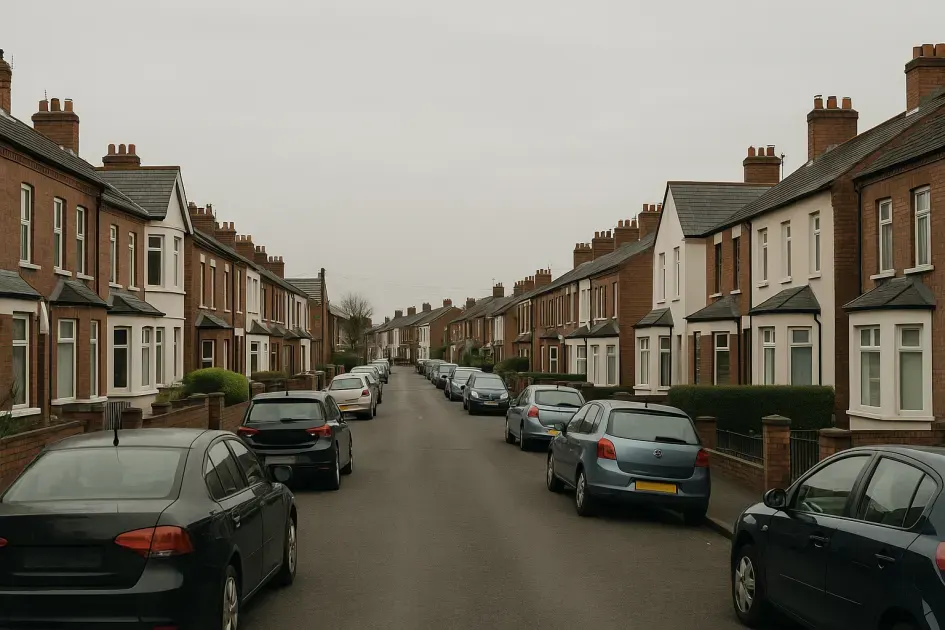
Why demand patterns matter
When many moves target the same days, start times tighten and crews stack jobs back-to-back. Any overrun on an earlier move can push the next arrival later, which matters far more when the destination depends on a permit bay, a lift booking or a key handover window. In denser parts of Belfast, those timings can be harder to recover once they start slipping.
High-demand days also make access less forgiving. Parking bays fill earlier, building slots are taken sooner and there is less room to adapt once the best plan stops working. Most delays come from access constraints rather than distance, especially after the closest workable space has already gone.
Midweek moves are usually easier to stabilise because there is more room to line up the best start time with the most restrictive address. This helps you avoid delays on the day.
Typical Belfast demand cycle
| Timing | Operational effect |
|---|---|
| Weekends | Reduced booking flexibility and stacked schedules; visitor traffic limits nearby parking, creating longer kerb-to-door carries and tighter loading windows. |
| End of Month | Tenancy changeovers cluster moves; lift and loading-bay slots are scarce, key exchanges overlap, and spillover from prior jobs reduces start-time reliability. |
| Summer / Student Areas | Turnover spikes in shared houses and flats; vans compete for kerb space, stair-only blocks queue, and route predictability drops near campus corridors. |
| Midweek (Non-peak) | Wider start options and better permit availability; lower demand reduces overrun risk and routes are steadier outside school-run peaks. |
Eight Belfast timing drivers
1) How weekend bookings reduce start-time flexibility
Weekend demand fills the best starts first. Once those early slots are gone, later bookings become more exposed to overruns and fuller local streets.
2) Why end-of-month tenancy cycles cluster moves
Lease dates, inventory checks and key releases bunch together. That compresses handovers, lifts and loading arrangements into the same few days and leaves less slack in the schedule.
3) How student-area turnover creates seasonal spikes
Multiple house shares and flats can turn over within a very short period. When that happens, kerbside space and shared access become more competitive and the working pace usually slows.
4) Why school-run traffic increases scheduling risk
Morning and afternoon peaks reduce route predictability on local approaches. Even a short delay on the road can affect the unloading phase if the destination relies on a timed window.
5) How commuter traffic changes route predictability
Busier arterial roads make ETAs less dependable. That matters most when the job depends on a managed-building slot or a handover that cannot move much.
6) Why building booking rules reduce available slots
Managed apartments often require lift and loading-bay reservations. Once the preferred periods are gone, the remaining options are less forgiving and more vulnerable to delay.
7) How narrow residential streets increase timing sensitivity
Terrace streets offer less room for correction. If the closest workable stopping point is taken, the move becomes slower immediately through longer carries or extra repositioning.
8) Why mixed-density neighbourhoods produce uneven demand
Areas with both blocks and terraces can create overlapping pressure on the same kerbside space. That makes scheduling more brittle than it first appears.
Scenario modelling
Scenario A: Midweek morning start after school-run hours on a wide street with onsite parking. Lower demand gives the crew more freedom to secure the best position and work without interruption.
Scenario B: Saturday move to a terrace on a permit parking street. Visitor cars reduce nearby space and a small overrun earlier in the day can have a bigger effect on the arrival window.
Scenario C: End-of-month weekday in a student-area flat with a managed destination block. Lift timing, local congestion and overlapping turnover all make the schedule more sensitive to delay.
Practical scheduling checklist
- Weekend start-window compression → Request a first-slot start and build a handover buffer to absorb upstream overruns.
- Permit parking streets → Arrange visitor permits or council bay suspensions where applicable and make sure the closest workable space is clear.
- Terrace housing and long carries → Stage items by the front door and plan smaller shuttle loads to keep the work rate steady.
- Managed-building lift rules → Pre-book lift and loading-bay slots and secure a fallback window in case arrival slides.
- End-of-month key overlaps → Coordinate key exchange earlier in the day or shift the move to a midweek slot where possible.
We provide man and van services across the wider area, including man and van services in Dunmurry, with bookings managed through one system coordinating bookings with pre-checked drivers.