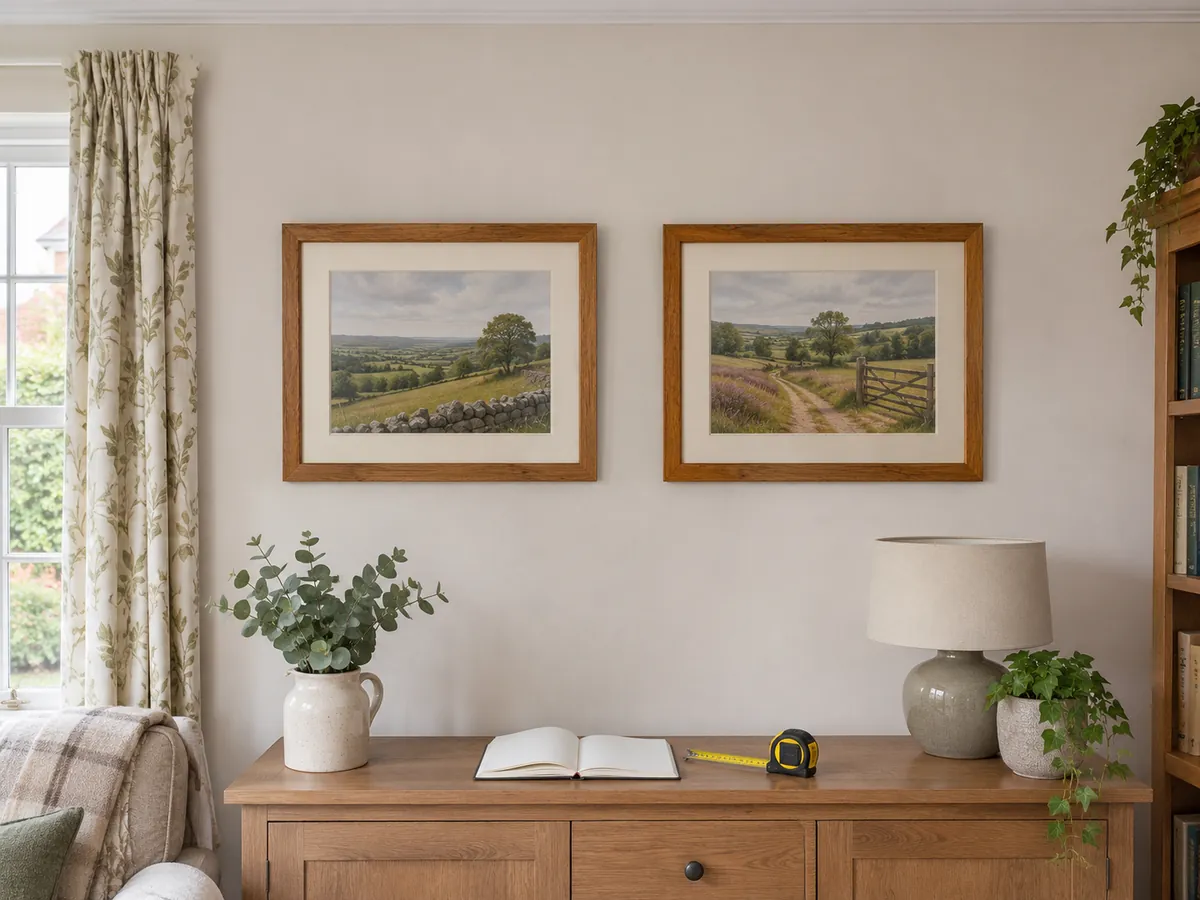
A framed picture is more than its outer dimensions. The artwork, glazing, frame, backing and existing condition all affect how it should be prepared. A simple print behind glass and an oil painting in a fragile decorative frame should not automatically receive the same packing treatment.
Before arranging collection, identify the complete item and resolve any condition or packing questions. Tell the mover what is being transported and confirm that its requirements can be accepted. A standard household booking does not establish that fine-art packing or conservation services are available.
Record what is inside the frame
List each picture separately, with photographs and its overall framed height, width and depth. Say whether the work is a print, photograph, painting or something you cannot identify. Record glass or other glazing where known and flag a heavy, projecting or delicate frame.
Give a known weight or relevant maker information if available; do not guess from the picture's size. Include loose fittings or other pieces that will travel separately. If you are collecting a purchase, ask the seller to clarify what is included before treating the listing photograph as a complete inventory.
Do not remove the artwork or glazing to investigate it. Where construction or materials are uncertain, ask the owner, framer or an appropriate conservator for advice.
Resolve condition concerns before taking it down
Look for visible concerns without manipulating the work: loose frame corners, detached decoration, broken glazing or an unstable surface should be raised before preparation begins. Photographs can help explain a concern, but they do not establish that a work is sound enough to move.
The Canadian Conservation Institute's painting-handling guidance places assessment of the painting and frame before handling, and calls for conservation help where a problem prevents safe movement. Its museum guidance supports that assessment boundary; it is not a household lifting tutorial or a guarantee about a particular picture.
If condition is uncertain, leave the item where it is and arrange appropriate advice. Do not repair loose decoration, clean a painted surface or tighten a frame solely to make it ready for the booked date.
Agree who takes it down and prepares it
Confirm whether removal from the wall, packing and any work on fittings will be completed before arrival or specifically arranged. Do not assume these tasks are part of carrying a ready-packed item to the van.
Plan a suitable receiving or preparation space before the picture is moved. Keep the route clear, including doorways, stairs and tight turns, and explain any difficult access to the booking team. Include the route at the delivery address as well as the way out.
Ask the person advising on the work what protection is appropriate for its surfaces, glazing and frame. An outer box that fits is not a complete packing plan, and a fragile label does not support the item inside it.
Choose protection for the actual work
Check whether existing fitted packaging is complete, usable and appropriate for this item and journey. If it is missing, establish what replacement packing is needed and who will provide it before confirming collection.
Do not apply a blanket recipe to every framed work. Avoid sticking tape, labels or packing materials directly to the artwork or decorated frame, and do not improvise treatment of glazing. Ask a framer or conservator to resolve uncertain material-contact or packing questions.
Keep a note of the agreed travelling configuration and the outside dimensions once packed. If specialist preparation or a dedicated art mover is needed, arrange that rather than assuming ordinary household materials will provide equivalent protection.
Give the mover the full collection brief
Provide the item record, photographs, packed dimensions, preparation arrangements and carrying route. Declare the nature and value of the work and ask about the cover, limits and exclusions that apply to this specific collection.
Our heavy and valuable items guide covers the wider acceptance and handover questions. Use it alongside appropriate advice about the artwork itself, not as a substitute for a condition assessment.
If a gallery, shop or seller holds the picture, confirm the actual pickup site, release authority and appointment. Find out whether it will be presented packed or whether preparation is still to be arranged. The collecting person should not be expected to authenticate the artwork or negotiate the purchase on your behalf.
Plan delivery and check the handover
Have the agreed receiving space ready and an informed person available. Confirm where the packed picture should be placed so it is not left obstructing a hallway while its destination is decided.
Check the item and its accompanying parts against the collection record, and report visible concerns using the agreed process. Keep useful packaging until the contents have been checked by the appropriate person. A condition photograph supports a record; it does not replace the booking's reporting terms or establish the cause of damage.
Unpacking, wall mounting and conservation work should have their own agreed responsibility. Delivery does not mean the collecting driver will hang the picture or assess a damaged frame.
For an enquiry about one accepted piece, use single-item transport with the complete item and access details. Confirm the suitability of the job before relying on the collection date.

Liz
Liz is a content creator and digital marketing consultant. Originally from Toronto, Ontario, Canada, she is now happily settled in the UK (after living in four different countries across 2 continents and moving house 10 times). Drawing on her experiences, Liz shares practical advice and insider tips to help others enjoy smoother, stress-free moves.

The Packing Guides at Find My Man and Van focus on helping you protect your belongings and pack efficiently for any type of move. From fragile items and bulky furniture to room-by-room packing strategies, our guides share proven techniques used by professional movers. With clear instructions and practical tips, we help you save time, reduce damage risk, and stay fully prepared for moving day.