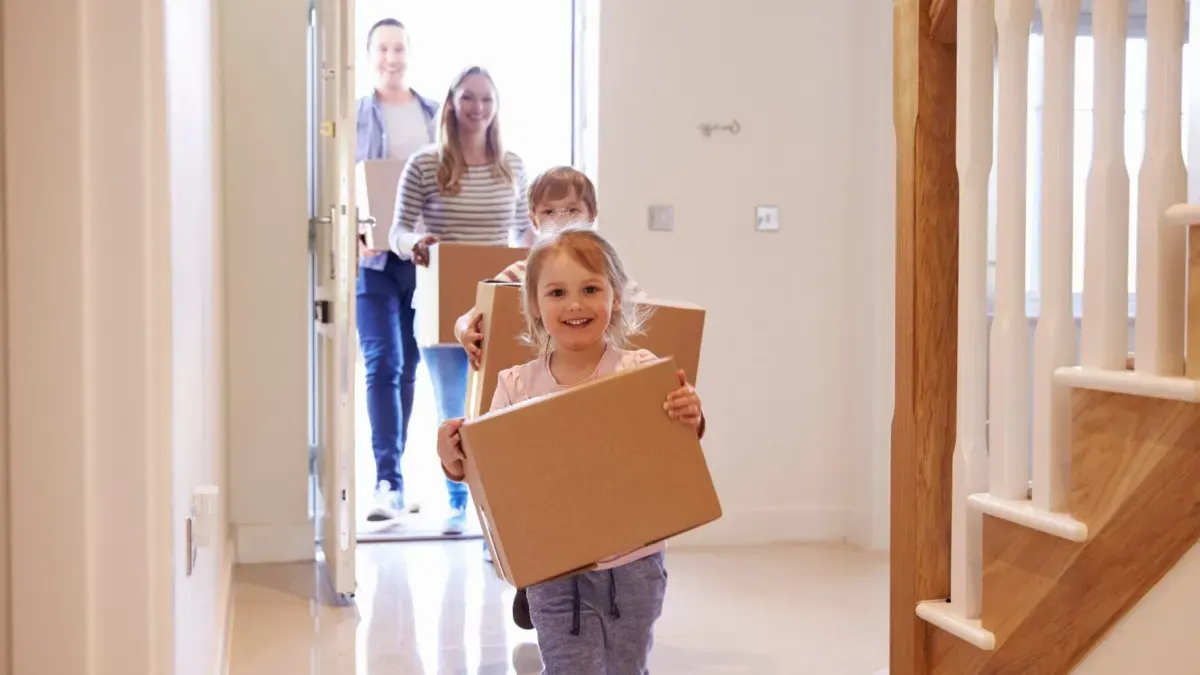
Moving to a new house brings many changes that can be exciting for adults, who may focus on planning and new opportunities. For children, however, it can present challenges like leaving familiar friends, changing schools, and adapting to a different environment. Some children may enjoy the packing and setting up of new rooms, seeing it as an adventure. This guide offers practical tips to help your family navigate this transition smoothly.
When Choosing Your New Home
Understanding Change
Change is an inevitable part of life. While adults may look forward to moving, children might feel uncertain about leaving their comfort zones. It's important to acknowledge their feelings and communicate about the move thoughtfully.
Discuss the Move Openly
Talk to your children about the timing of the move and what to expect in the new home, including their new rooms. Sharing these details early helps them adjust mentally. Involving them in packing and decorating boxes gives them a sense of participation and control.
Include Them in Home Preferences
Before house hunting, ask your children what features they would like in the new home, such as a bigger garden, playroom, or attic bedroom. While not every wish may be possible to fulfill, including their ideas helps them feel involved.
Prepare Them for School Changes
A move often means a new school with new friends and teachers. Talk to your children about this upcoming change and, if possible, visit the new school beforehand to familiarize them with the setting.
Before Moving Day
Plan Their New Rooms Together
Once your new home is set, sit down with your children to plan their new spaces. Choosing furniture or colour schemes together can make the process fun and give them a sense of ownership.
Declutter When Kids Are Away
Moving is a good opportunity to sort belongings and decide what to keep or donate. To avoid upsetting children, consider doing this while they are at school or asleep, especially when handling toys or clothes.
Visit the New Home
Multiple visits to the new house help children become familiar with it. Highlighting positive features can build excitement about moving.
Say Goodbye Thoughtfully
If relocating away from your current area, consider organizing a small gathering or outing for your children and their friends to say goodbye. Younger children might enjoy making a photo album or scrapbook to keep memories of their current home.
On Moving Day
Keep Children Occupied
Provide familiar comforts such as a favourite film on a tablet or a beloved toy to help ease the day. Introducing a new toy for their new room can also give them something to look forward to.
Unpack Their Rooms First
Setting up your children’s spaces first with their belongings helps them feel settled sooner in the new home.
Consider Extra Support During the Move
Having an additional adult present to supervise children while heavier items are moved can be helpful and safer.
After Settling In
Explore the New Area Together
Plan an outing to local parks, eateries, or fun places soon after moving to help children become comfortable and excited about their surroundings.
Monitor Stress Signals
Children may express stress through behaviour changes or emotions. Keep open communication to understand their feelings and offer reassurance as they adjust.
Support Maintaining Connections
Encourage children to stay in touch with friends from the previous home through calls, messages, or visits, helping maintain a sense of continuity.
Facilitate Making New Friends
Depending on your child’s personality, hosting social activities like a housewarming or garden playdates can foster new friendships naturally.
Book the household transport
Prepare the inventory for house removals and agree who will supervise children while loading takes place. Include key times and access arrangements in the booking.

Liz
Liz is a content creator and digital marketing consultant. Originally from Toronto, Ontario, Canada, she is now happily settled in the UK (after living in four different countries across 2 continents and moving house 10 times). Drawing on her experiences, Liz shares practical advice and insider tips to help others enjoy smoother, stress-free moves.

Our Moving House Guides support homeowners and renters through every stage of relocating to a new property. At Find My Man and Van, we provide step-by-step advice on planning timelines, organising utilities, preparing furniture, and coordinating your move day efficiently. Whether you’re moving locally or further afield, these guides are created to help make your house move smoother, more organised, and less stressful.