
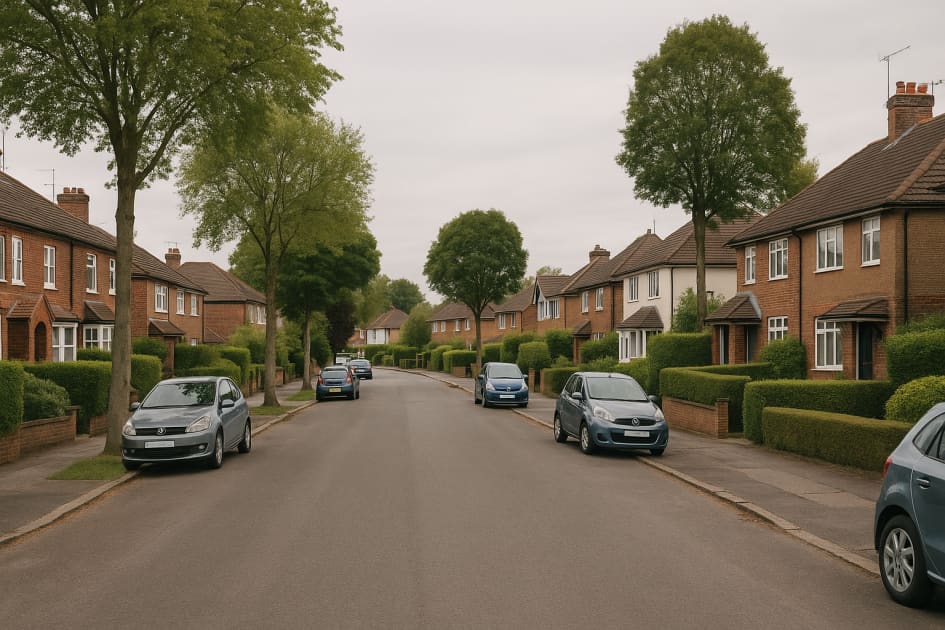
How removals conditions vary across Reading
Reading’s neighbourhood layout changes the removals plan in practical ways. Bridge traffic, hillside streets, cul-de-sacs, estate parking, and managed apartment access all affect vehicle positioning, crew flow, and how quickly loading can start.
Start with the service overview here: Reading removals. For adjacent planning topics, see Moving Costs and Reading moving timing guide.
Neighbourhood access patterns
- Caversham: bridge approaches and some steep or narrow residential roads can slow larger vehicles. Early loading helps avoid peak flows near river crossings.
- Woodley: residential loops and school-time congestion make bay holding and neighbour liaison useful. Many homes have driveways; confirm if vans can overhang the pavement.
- Earley: cul-de-sacs and campus-adjacent roads can be busy at term changeovers. Check for estate parking rules and bollards at turning heads.
- Newbury (wider area): market-town roads and some pedestrianised zones near the centre may require timed loading. Allow for circuitous routes to reach designated bays.
Property and loading differences
Victorian and Edwardian terraces often mean narrow hallways and street parking; protect floors and plan a short trolley run. Post-war semis and detached homes may allow driveway loading, speeding up bulk items. Townhouses add stair carries over multiple floors—stage items by level. Apartments require lift sizes, booking windows, and a clear path from loading bay to lift.
How to plan for different move types
Flats: confirm loading bay rules, lift dimensions, and any need for protective sheets. Pre-book lift slots and prioritise large items first. Terraces: secure parking close to the door, use mattress and door protectors, and pre-measure bulky furniture for tight turns. Family houses: set a room-by-room load order and stage garden or garage items the evening before. Long routes: target early departures and define a handover window at the destination to avoid late-access issues.
City-wide baseline: where time is lost
- Vehicles parked far from the door increasing trolley runs
- Stair carries in multi-storey homes and flats
- Shared lifts without bookings causing wait times
- Unplanned furniture disassembly
- Peak-hour traffic impacting arrival or turnaround
Eight local variables that change removals planning
1) Bridge and river pinch points
Flows near key crossings can cause queues; earlier starts and alternate routes reduce idle time.
2) Street width and turning space
Narrow lanes and cul-de-sacs affect vehicle choice and reversing plans; confirm turning heads and bollards.
3) Parking controls and bay access
CPZs, school streets, or estate rules may need permits or timed access; secure space close to the door.
4) Property type and internal layout
Terraces and townhouses drive stair time; semis with driveways accelerate bulk-load stages.
5) Apartment building procedures
Lift bookings, fob access, concierge notifications, and loading bay reservations impact timing.
6) Seasonal and school schedules
End-of-month and school holiday periods tighten booking windows; plan earlier to secure slots.
7) Disassembly and protection needs
Wardrobes, beds, and door removal add minutes per item; pre-identify tools and protectors.
8) Route choice and departure time
Target off-peak loading and choose routes that avoid routine choke points where practical.
Practical planning checklist
- Confirm parking space within 10–15 metres of the door and brief neighbours.
- Measure stair turns, doorways, and lifts for largest items; stage them first.
- Book any lifts/loading bays and prepare fobs, permits, or codes in one folder.
- Label rooms on boxes and doors to streamline unloading flow.
- Set an early arrival window and a backup route for known pinch points.
Scenario examples
Example 1: Caversham terrace, AM start. Reserve a space the night before, load large items first, and depart ahead of bridge peaks to keep the schedule on track.
Example 2: Earley cul-de-sac, semi-detached. Use driveway loading for fast shuttles, assign one person to marshal traffic if the van partially blocks turning.
Example 3: Central flat with managed bay. Pre-book the lift, pad communal areas, and coordinate a tight load/unload order to match the building’s time window.
Apply neighbourhood context
Use local detail to refine timing, access, and packing priorities. Start with the neighbourhood guides and property notes below: