How removals conditions vary across Oxford
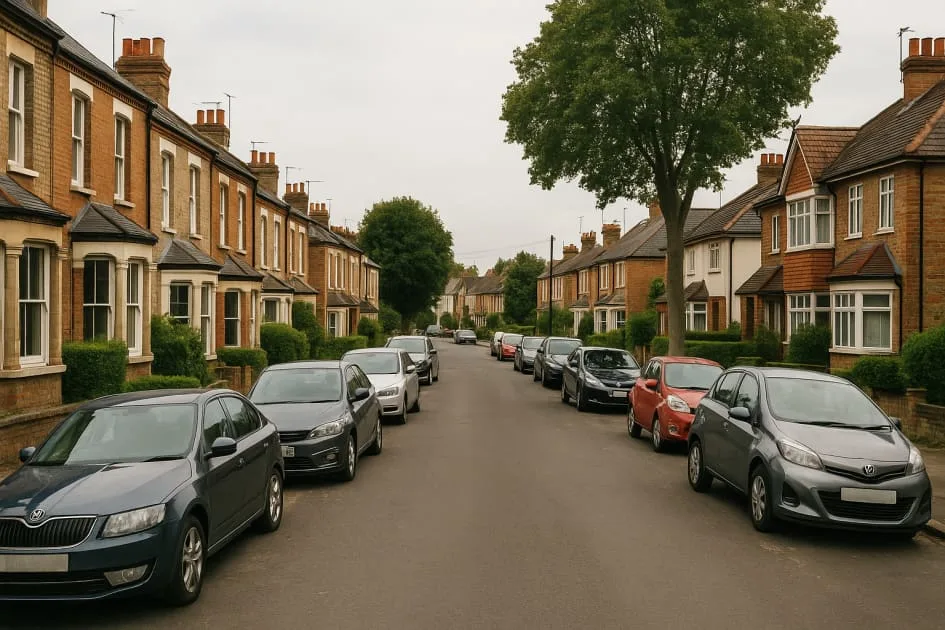
Central streets can have one-way systems, busier pedestrian areas, and marked bays with limited loading windows. Residential terraces often mean tighter parking and longer carries from the truck to the door. Newer estates on the edge of the city may offer easier off-street parking but include cul-de-sacs where turning a large vehicle needs forethought.
Neighbourhood access patterns
Expect controlled parking and peak-time congestion near the centre. In many residential zones, daytime spaces can be scarce, so reserving or suspending bays in advance helps. On newer developments, bollards or height-restricted entrances can affect vehicle choice and route planning.
Property and loading differences
Period terraces and townhouses typically involve stairs and narrow corridors, shaping how items are wrapped, carried, and in some cases partially dismantled. Flats may require lift booking and lobby protection. Detached homes often allow driveway loading but still benefit from floor and door protection to prevent delays from unplanned cleanup.
How to plan for different move types
House moves: note driveway width, gate access, and any internal turns that restrict large items. Flat moves: confirm lift size, reservation times, and distance from the loading point to the entrance. Long-distance moves: set early arrival windows and a clear parking spot to avoid missed access slots later in the day.
City-wide baseline: where time is lost
- Searching for legal, close parking when no bay is reserved.
- Carrying over long distances due to blocked or busy bays.
- Waiting for keys, lifts, or building permissions at collection or delivery.
- Last-minute dismantling of wardrobes, beds, or corner sofas.
- Unprotected floors requiring extra prep or cleanup.
Eight local variables that change removals planning
1) Permit and bay rules
Check if a visitor permit, bay suspension, or timed loading window is needed, and how close the bay is to the door.
2) Vehicle height, width, and weight limits
Assess low bridges, narrow lanes, or estate bollards that could restrict larger trucks and dictate a smaller vehicle approach.
3) Stairs, lifts, and corridor widths
Measure tight turns; confirm lift dimensions and booking times. These factors drive crew size and load sequence.
4) Carry distance and surface type
Gravel drives, shared gardens, and long paths slow loading. Closer, solid-surface bays speed the move.
5) Time-of-day traffic and school runs
Plan departure and arrival to avoid peak congestion and school drop-off pinch points.
6) Item volume and disassembly needs
Bulky furniture, pianos, or extensive garage contents may require added materials, tools, or a shuttle plan.
7) Building management requirements
Some blocks ask for pre-booked slots, protective coverings, or concierge sign-off; gather these details early.
8) Key handover timing
Align loading with solicitor release and collection times to avoid crews waiting kerbside.
Practical planning checklist
- Reserve a legal parking spot as near to the entrance as possible.
- Measure key doorways, stair turns, and lift sizes for large items.
- Confirm key handover and any building access codes in writing.
- Pre-pack, label by room, and dismantle items flagged in your inventory.
- Protect floors and bannisters; stage boxes by the exit to shorten carries.
Scenario examples
Example 1: Central Oxford flat with a small lift: book the lift and a nearby bay for a defined two-hour window; use roll cages or dollies for an efficient lobby-to-lift shuttle.
Example 2: Terrace to new-build in Bicester: load via a suspended bay near the terrace entrance; deliver with a smaller vehicle for estate bollards, transferring from a larger truck if needed.
Example 3: House move to Abingdon with key release at noon: start packing and loading early, break for transit, then arrive for keys to avoid waiting charges and keep momentum.
Apply neighbourhood context
Dive deeper into nearby area specifics. Use these moving guides and property challenge notes to shape access, parking, and loading plans: