Hidden removal costs you meet in North London

Why North London moves attract unexpected costs

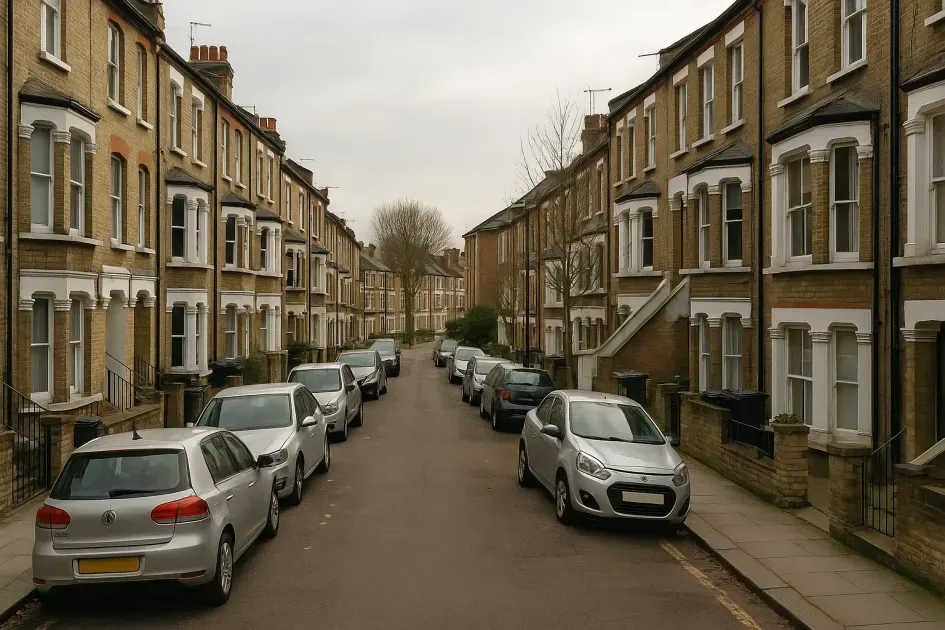
North London’s mix of Victorian terraces, converted flats, mansion blocks and modern new builds creates practical friction that commonly increases move time and expense. Narrow Georgian staircases in Islington-style conversions, garden-level basement flats with external steps, and gated new-builds with booked delivery windows each produce different operational impacts on removal crews — and those impacts translate into extra hours, permit costs and planning overheads.

Property types and their cost consequences

Different property types across North London change how a move is staffed and scheduled:

For a parent-area overview, use moving costs in London.

When you are ready to move from hidden-cost checks to the main move page, start with removals in North London.

You will often need to consider This issue is often linked with moving costs in North London and property access challenges in North London, so reviewing them together usually gives a clearer planning view. at the same time.

  • Terraced houses: frequently have no off‑street parking and narrow frontages, which forces parking on main roads and longer carry distances from the van to the door.
  • Converted flats (garden or maisonette): steep, winding internal stairs and small landings often require additional labour for safe handling and dismantling of furniture.
  • Semi‑detached and new builds: may have motorway‑style access but often enforce delivery slots, concierge sign‑in and strict lift weight limits that must be booked in advance.
  • Mansion blocks: large communal stairwells and listed communal areas require protective covers and extra time to move items carefully between corridors and lifts.

Waiting time charges — common North London triggers

Waiting time is a frequent, tangible cost when moving in North London. Typical triggers include:

  • Missed lift booking or concierge window at a managed block, causing crews to wait for access or to reschedule on the spot.
  • Keys not handed over at the agreed time or current residents running late in multi-occupancy buildings.
  • Traffic congestion on arterial routes (A1/Apennines approach, Archway/Holloway corridors) delaying arrival at peak times.

Operational implication: even a 30–60 minute delay can convert a tightly scheduled half‑day job into a full‑day job, adding hourly labour charges or overtime because crews are booked sequentially across jobs in North London’s dense routing patterns.

Parking, permits and council restrictions

Parking availability determines whether a large removals truck can park near the property or if the team must park elsewhere and shuttle. North London specifics:

  • Controlled Parking Zones (CPZs) are common in boroughs across North London and often require resident permits, pay-and-display or council suspension for a loading bay to be reserved.
  • Conservation areas and narrow historic streets (examples: Highgate, parts of Islington) can forbid long-stay loading without a formal suspension.
  • Market days or school pick-up times in neighbourhood centres can temporarily remove parking availability on weekends or afternoons.

Real-world impact: failing to arrange a suspension typically means a longer carry, slower loading and a higher labour bill — or the risk of parking fines that fall to the property occupier if they don’t pre-arrange council permissions.

Long carry distances: the hidden time and labour cost

Where street geometry, parking rules or vehicle restrictions prevent close access, crews perform repeated shuttle carries. North London examples include heavy traffic arteries where large vehicles cannot sit long, or narrow side streets around Crouch End and Stoke Newington where turning and parking are tight.

Operational friction and consequences:

  • Shuttle runs increase loading time and require extra hands to maintain safe handling, directly raising labour hours billed.
  • Long carries increase the risk of damage from repeated handling and may necessitate protective materials and additional insurance precautions, all of which add to cost and time.

Extra labour because of stairs, lifts and access constraints

North London has many properties where internal access is the main constraint: narrow spiral or steep Victorian stairs, lifts with strict weight/size limits in newer blocks, and communal hallways that require protective coverings. These factors create extra labour demands:

  • Steep stairs slow every item transported and typically require extra crew to maintain safe, controlled carries.
  • Failing to measure through lifts or doorways in advance often forces on-the-day dismantling of large furniture — adding time and specialist labour.
  • New-build concierge rules often limit delivery times to short windows; missed windows mean crews stand down or return later, with associated call-out or storage fees.

Traffic, restricted streets and timing delays

Traffic patterns in North London create predictable delay windows. Morning and evening peak congestion on major approaches and the frequent roadworks or temporary closures in busy town centres (near stations and markets) can push scheduled moves off plan.

Consequences:

  • Delays increase the chance of overruns that push crews into higher-rate evening work or require reallocation of resources across jobs.
  • Restricted roads sometimes necessitate using smaller vehicles for last-mile access, which creates multiple loads and additional labour time compared with a single direct load.

Rebooking, overruns and the cost of getting it wrong

Many North London properties — particularly new estates and managed blocks — operate tight delivery windows or require exact arrival slots. If a move overruns because of the factors above, the downstream costs include:

  • Rebooking fees or return-trip charges if the crew cannot complete delivery within the estate’s allowed window.
  • Overtime billing for crews that finish late (common when traffic or extended carries make the job longer than estimated).
  • Potential short-term storage costs if the property cannot accept goods at the planned time and items must be kept overnight.

How to quantify and plan for these North London costs

Because the same move can behave very differently depending on location-specific factors, a realistic plan for a North London removal must document:

  • Property type and internal access (measure stair widths and lift dimensions).
  • Exact parking situation and whether a council suspension or permit is required in the local CPZ.
  • Potential carry distance from the nearest lawful stopping point and whether shuttle loading will be necessary.
  • Any concierge or estate delivery windows that must be booked in advance.

For more on how local constraints affect pricing, see the North London removals hub at removals in North London and the wider cost factors on the London moving costs overview at moving costs in London. For specific local planning tips and likely labour impacts, consult the North London moving costs page at moving costs in North London.


Frequently asked questions — North London hidden costs

Short answers to common queries about access, permits, delays and extra charges typical for removals in North London.

Crews in North London are commonly billed for waiting time in hourly increments if they are delayed beyond an agreed start window. Typical causes are keys not available, missed lift-booking slots in purpose-built blocks, or queueing for a temporary loading bay. A 30–90 minute delay during weekday AM peak can add a full crew-hour charge because teams are scheduled tightly to avoid traffic and CPZ restrictions.

Many inner-North London streets are within Controlled Parking Zones (CPZs) or conservation areas where a council suspension (temporary bay closure) is required for a large removal vehicle. Without a suspension the van often must park on a main road and items are carried further, or the crew risks parking fines. Councils typically charge for suspensions and apply lead times for applications — failing to book one creates direct costs and longer loading times.

If the vehicle cannot get close to the property because of narrow residential streets, terraces with restrictive parking or market-day closures, removals usually require shuttle loading: smaller trips between parked vehicle and the door. Shuttle carries increase labour hours and loading time; in North London this commonly happens in winding streets off Holloway Road, the lanes around Crouch End and parts of Stoke Newington.

Yes. Victorian terraces and converted flats in North London often have steep, narrow staircases and tight landings; many large sofas and wardrobes need dismantling and reassembly. Where stair carries exceed typical thresholds or specialist handling is required — or where building rules restrict carrying times — operators add extra labour to cover slower, safer handling and any protective flooring.

Managed estates, new-builds with concierge hours and resident-only delivery slots are common in parts of North London. Missing an agreed delivery window can force a rebooking with return-trip charges, or require an overnight storage stop. Heavy traffic on the A1/A41 and morning school runs that constrict side streets also make overruns more likely, which triggers overtime rates for crews.

Absolutely. When the internal path is longer than expected, every trip takes more time, and moving jobs are made of many repeated trips. The arithmetic becomes rude very quickly.