Packing advice for moves in East London

Packing with East London property types in mind

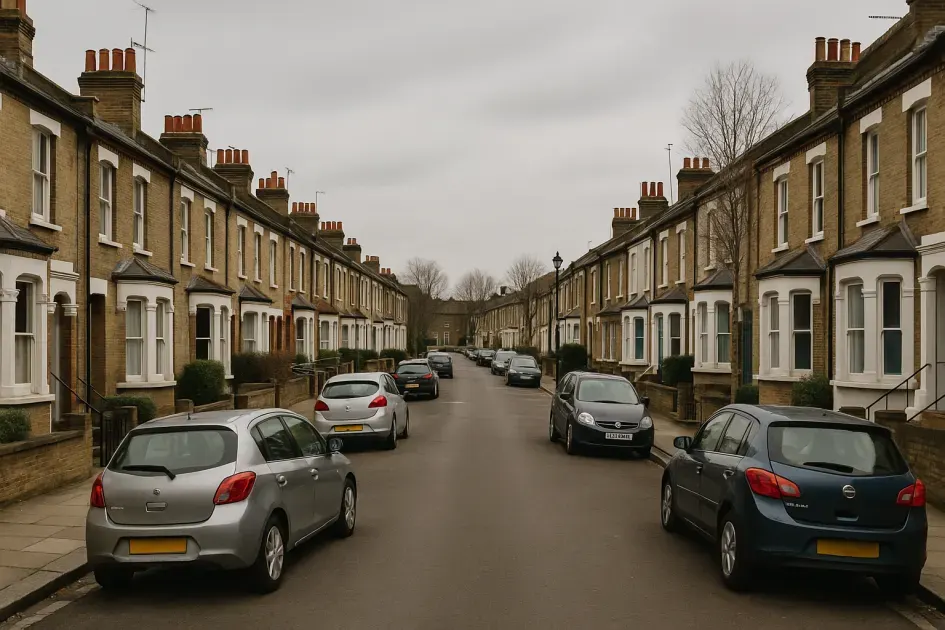
East London contains a mix of property types — long Victorian terraces in Hackney and Walthamstow, mid-century semi-detached streets, dense walk-up flats in Shoreditch and Bethnal Green, and high-rise new builds around Canary Wharf, Stratford and the Docklands. Each type creates specific packing needs:

Use removals in East London first for the core service page, then see London moving timing guide for the broader parent-area picture.

Terraced houses

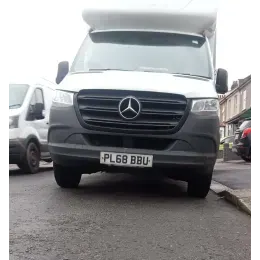
Terraces usually have narrow winding stairs and tight landings. Pack heavy items into smaller boxes to keep a manageable weight per carrier. Disassemble bed frames and large wardrobes at home and bag screws for reassembly; carry out furniture legs separately so items fit stair widths. Because streets can be congested, anticipate the van parking a short walk away on many Hackney roads — that increases carry distance and the chance of damage if items are not well protected.

In practice, this usually connects with This topic usually works better when read alongside best time to move in East London and moving guide for East London..

Flats and walk-ups

Many East London flats are walk-ups with shallow or steep staircases and limited communal space. For these, label boxes with floor numbers and room destinations, and pack a clear 'first night'box that’s easy to lift by two people. Avoid large, unwieldy boxes that won’t fit on stair landings in Shoreditch or Mile End; they slow down lifts-free moves and increase loading time charges.

Semi-detached and new builds

Semi-detached houses often offer easier street access but may sit in CPZs requiring permits. New builds around Docklands/Stratford have service lifts, strict concierge rules and sometimes designated loading bays. Measure sofas and appliances against service lift dimensions before packing; otherwise downtime for re-routing bulky items to stairs can add significant time and cost.

Packing for stairs and flats — practical tactics

Stairs and small lifts are the most common friction points in East London moves. Pack with carrier movement in mind:

Box size and contents

Use small boxes (25–35 litres) for heavy goods like books and kitchenware so a single person can carry them safely on stairs. Reserve medium boxes for linen and soft goods, and large boxes only for light, bulky items such as bedding or pillows. Over-packed large boxes are the leading cause of dropped loads in multi‑flight carries.

Stair-friendly packing order

Pack boxes that will be unloaded first last into the van (so they’re nearest the rear). On the move day, stage bags and boxes in order outside the flat entrance when lifts are unavailable. For walk-ups, have one pair of team members focused on continuous stair runs and another pair rotating with water breaks to keep pace steady — this planning reduces mishandling during long stair carries in areas like Bethnal Green.

Protecting items for longer carry distances

Long carries are common in East London where narrow streets, yellow lines, and permit restrictions push vehicles away from doors. Extra distance raises the chance of knocks, scuffs and repeated handling — protect items accordingly.

Layered protection and specialised packaging

Use a three-layer approach: inner packing (tissue/paper), structural packing (corrugated boxes or rigid crates), and external protection (moving blankets, shrink wrap). For long carries across uneven surfaces — common when moving from cobbled terraces or estate pathways — use corner protectors on furniture and reinforced bases under boxes to prevent crushing.

Equipment for long carries

Include dollies and two-wheeled trolleys for straight, longer stretches along pavements; use stair-climbing trolleys for repetitive flights in older East London terraces. When gates or narrow paths force manual carrying, plan to distribute loads into more, lighter boxes to reduce fatigue and risk.

Efficient labelling and loading for East London moves

Clear labelling and a sensible loading plan reduce loading times and the number of carries between building and vehicle — directly lowering charges when moves are billed by time.

Location-specific labelling system

Include: building entrance name (e.g., 'Dalston rear entrance'), flat number, destination room, fragility flag, and a loading priority (01–10). In gated estates or developments with multiple cores, add the core letter and the concierge contact if relevant. This approach prevents misrouting items down long communal corridors in places such as Canary Wharf-adjacent developments or Stratford estates.

Loading order and van stowage

Load heavy, stable items first and place fragile/flat-packed items on top. For multi-drop moves in East London, load in reverse delivery order so the items needed first are the most accessible. If access to the property requires carrying through narrow alleys or past pedestrianised zones, plan the van stand position and order boxes accordingly to avoid re-handling across long distances.

Preparing for tight access and awkward loading positions

Tight access in East London can be the result of narrow mews, gated courtyards, or restricted loading times. Preparing ahead avoids last-minute delays and additional labour.

Assess the approach and secure permissions

Survey the access route in daylight before moving day: note width of entranceways, presence of bollards, and whether the property sits behind a security gate that requires fob or concierge access. Book any necessary loading bay suspensions or single yellow line dispensations through the local council if a closer stop is essential; failure to do so can mean the van must park further away, increasing carry time and cost.

Advance furniture and route planning

For awkward loads — sofas down narrow alleys, wardrobes through squeezed communal entrances — prototype movements where possible (measure doorways and lift apertures). Consider removing doors, legs or railings before moving day to create room; this small preparation often saves hours unloading in places like Hackney or Leyton where alleyways are narrow.

Time, cost and planning implications

Packing and access choices directly affect move duration and budget in East London. Expect the following real-world impacts:

  • Longer carry distances: If the van can only park 30–100 metres away because of CPZs or restricted bays, factor extra handling time — and therefore cost — into plans.
  • Stairs and small lifts: Repeated stair runs slow crews and increase labour time. For high-rise new builds, pre-book lift windows with building management to avoid delays.
  • Narrow access and disassembly: Extra time for disassembly/reassembly and protective wrapping is common in older East London streets; budget accordingly.
  • Permit and concierge requirements: Organising parking suspensions or lift bookings ahead of the move can add fees but saves significant on-the-day waiting time.

For broader scheduling considerations and to decide the best date for your move, see the London moving timing guide at London moving timing guide. For timing recommendations specific to East London, including local peak periods, check best time to move in East London. General area information and access notes are available at removals in East London.


Common questions about packing for East London moves

Answers to frequent packing and access questions specific to East London properties, access rules and time implications.

Use small, reinforced boxes for heavy items (books, crockery) because narrow staircases and tight landings make large boxes awkward and slow to carry. Disassemble large items where possible, protect banisters and door frames with blankets or plastic, and allow extra loading time because parking on narrow streets and CPZ restrictions can push the van further away.

New-builds often have service lifts with size limits and strict concierge/lift booking windows. Pack large items in slimmer configurations or flat-pack where possible, label which items need to go to which lift-served floor, and prepare protective sheeting for lifts and corridors. Confirm lift reservations with estate management before moving.

Controlled Parking Zones and loading hour restrictions can require the van to park further away or for loading to happen only at certain times. Pack and label boxes for staged loading to minimise time on the street—keep the first-load essentials and heavy items accessible—because longer loading times increase labour and possibly permit costs.

Wrap fragile pieces in multi-layer protection: acid-free paper, bubble wrap, then moving blankets; secure edges with corner protectors. Use rigid boxes where possible, and carry items in pairs with two people to steady movement on stairs. For valuable art or furniture that will be carried a long distance, consider palletised or crate options to reduce handling risk.

Include building entrance, flat number, final room, and 'fragile' or 'heavy' on each label. Add a two-digit load priority—'01' for essentials/first unload, higher numbers for later—to help teams stage boxes from curb to van and back without relocating the whole load in long corridors or gated developments.

Yes. Map the route from van to property, remove internal obstacles in advance, and protect communal walls and floors. For narrow service alleys, plan for longer carry distances and consider disassembly or alternate access points (ground-floor balconies, gated yards). Expect extra time and potential additional handling charges when access is awkward.