Packing advice for moves in North Liverpool

Packing for North Liverpool properties: know your building before you box

North Liverpool's housing mix — period terraces, converted flats, semi‑detached houses and pockets of new builds — creates very different packing needs. Before you start, walk the route from front door to kerb where the removal vehicle will park and note stair widths, entrance step heights and whether lifts are available. These physical details directly change how you pack and how long loading will take.

Use removals in North Liverpool first for the core service page, then see Liverpool moving timing guide for the broader parent-area picture.

Terraced houses: stair‑friendly packing and furniture strategy

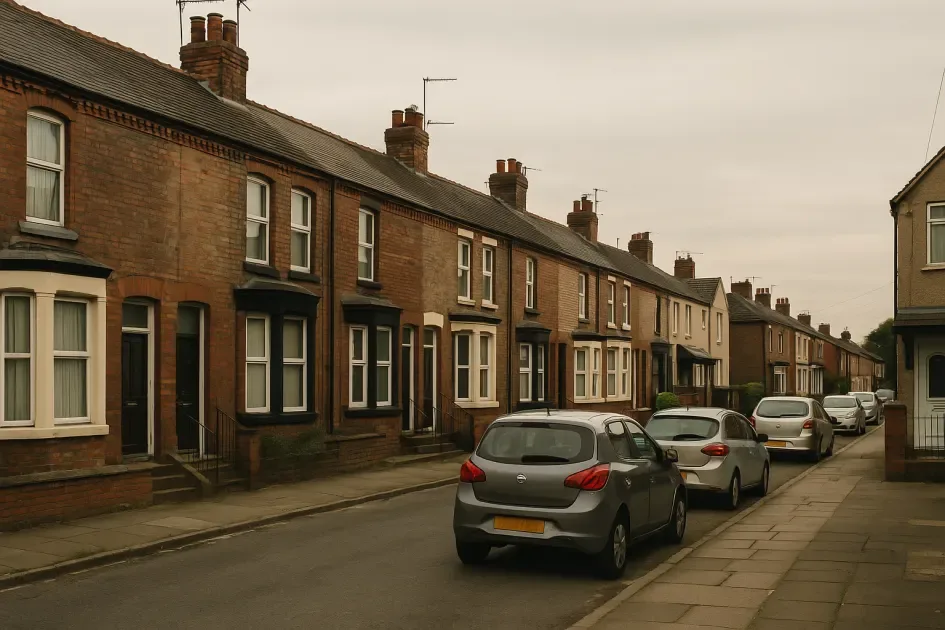
Many north Liverpool terraces were built in the Victorian era and have narrow internal doors, tight winding stairs and small landings. That means:

  • Pack heavy items into multiple smaller boxes (10–15kg max) so they can be carried two at a time up flights without risking slips on steep stairs.
  • Dismantle large items at home — remove legs, doors and banister‑catching bits — and pack fixings in labelled, sealed bags attached to the item. Tight staircases often force furniture to be manoeuvred vertically, adding minutes per item.
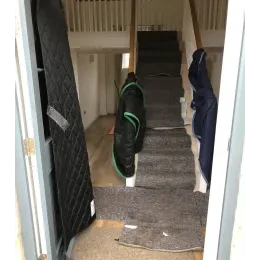
  • Protect banisters and newel posts with corrugated foam or thick blankets; repeated carries on narrow steps will quickly mark paintwork and slow teams if they have to stop to rewrap damaged protection.

Operational implication: expect longer loading times and possibly an extra crew member if large sofas or beds must be tilted or craned out. That increases both the time on site and the labour element of a move.

In practice, this usually connects with This topic usually works better when read alongside best time to move in North Liverpool and moving guide for North Liverpool..

Flats and maisonettes: stairs, lifts and internal corridors

Flats in North Liverpool range from basement conversions to purpose‑built blocks. Key packing adaptations:

  • For flats without lifts, use smaller boxes and keep bulky appliances partially disassembled. Label every box with the flat number and destination room so porters or removal staff can drop boxes at the correct door in one pass.
  • If there is a lift, check its internal dimensions before packing large items — some lifts in older blocks are shallow and will still require staircase transits.
  • Communal corridors and narrow stairwells are common; pre‑wrap skirting, picture rails and door frames and move boxes in protective bundles to reduce scuffs and rework.

Operational friction: repeated trips up flights or squeezes through corridors multiply loading time. For planning, estimate an extra 15–30 minutes per landing without lift access and budget additional labour accordingly.

Semi‑detached and new builds: cul‑de‑sac and access planning

Semi‑detached properties and new build estates in North Liverpool often sit on narrow cul‑de‑sacs or modern roads with restricted turning circles. Packing and loading notes:

  • Measure driveway widths and gate openings; some new builds have short drives and shallow kerbs that prevent close van access — strapable items and furniture covers will help protect goods during slightly longer front‑garden carries.
  • For cul‑de‑sacs where vans cannot park directly outside, pack items into pre‑labelled carry bundles so teams can move grouped loads efficiently over the longer distance.
  • Where estate roads are narrow or have resident permit schemes, check council rules on temporary suspensions for loading; failing to confirm parking can result in enforcement or unwillingness of drivers to double‑park in busy periods.

Real‑world implication: longer carry distances from van to door increase labour minutes and wet exposure risk; add protective coverings and allow weather buffer time to avoid rushed, wet handling of possessions.

Protecting items for longer carries and awkward loading positions

North Liverpool moves often include extended outdoor carries across uneven pavements or through narrow alleys. Specific packing tactics:

  • Use breathable furniture covers for sofas and mattresses to prevent condensation and water damage during outdoor carries in coastal city weather.
  • Wrap fragile goods with double protection: paper inner layer for surface protection and bubble wrap outside. Place in tight‑fitting boxes or specialist crates to prevent movement during longer carries and tricky loading angles.
  • For awkward lifts through windows or tight alleyways, label items clearly with handling instructions and room destination so they can be staged ready for craning or specialist manoeuvres, which add to time and cost.

Efficient labelling, grouping and loading to save time

Clear labelling and load sequencing are vital in North Liverpool where access often dictates the order of moves:

  • Label boxes with property type detail: floor number, room name and whether the box must be carried up stairs or fits in a lift. Example: “2nd floor — Kitchen — Stairs only.”
  • Group boxes into carry bundles by route: e.g., boxes destined for a top floor that must use a particular stairwell should be bundled and marked so they’re moved together, reducing the number of trips on that flight.
  • Load the van with access constraints in mind — place items that must be unloaded first near the rear and fragile items on top with clear orientation marks. Wrong sequencing is costly in time if the van cannot park close on the receiving street and teams have to shuffle items on‑site.

Practical planning step: create a simple moving map noting where the van can legally park, the shortest carry route and alternative parking if enforcement prevents kerbside loading. That map will reduce on‑day decision time and potential additional labour charges.

Preparing for tight access and awkward loading positions

Tight access scenarios in North Liverpool — narrow two‑way streets, dropped kerbs, or pedestrianised stretches — require specific preparation:

  • Measure access points and gate clearances in advance. If a vehicle cannot get close, plan to use sack trucks, pallet trucks or wheeled dollies and pack boxes so they stack safely for these devices.
  • Consider temporary parking suspensions for longer loading windows on busy residential streets; contacting the local council early in the planning phase avoids last‑minute delays and fines.
  • If loading must take place from a main road due to narrow side streets, factor in safe pedestrian management and allow extra time — busy arterial routes in north Liverpool can make manoeuvring slower and require additional spotters for safety.

Operational consequence: awkward loading positions add to on‑site time and can require specialist equipment or additional staff, so reflect this in your move schedule and budget.

Next steps and local planning links

Use local area knowledge to plan your packing: walk the route, measure key clearances and label boxes by floor and route. For an overview of timing and seasonal considerations in Liverpool, see the Liverpool moving timing guide. For specific information about moving windows and best dates within North Liverpool, check best time to move in North Liverpool and the parent local page at removals in North Liverpool.


Common packing questions for North Liverpool moves

Answers to practical questions about packing when moving in North Liverpool — covering stairs, carry distances, parking constraints and fragile items.

Use smaller, reinforced boxes for heavy items so they can be carried comfortably on narrow staircases. Disassemble bulky furniture where possible and bag screws labelled by item and floor. Measure door widths and stair landings in advance — tight Victorian terraces in North Liverpool often need couches turned on their side or moved through windows, which adds time and may require scaffold or a specialist lift.

Pack daily essentials and valuables separately in a grab bag for easier upward carries. Use wheeled trolleys and shoulder straps for repeated trips; label boxes with the flat number and destination room to avoid double handling on narrow communal landings common in converted north Liverpool blocks.

Allow extra packing time to move boxes to a legal loading bay or suspended parking spot. Many streets have permit bays and narrow kerbs; failing to arrange a parking suspension can force longer carry distances if the van must park further away, increasing labour time and potentially cost.

For long carries from cul‑de‑sacs or tight estate layouts, protect items with breathable covers and use pallet trucks or moving boards for grouped boxes. Group items by room and create labelled carry bundles to minimise trips and exposure to rain — North Liverpool weather can make long outdoor carries wetter and slower.

Wrap fragile items in double layers of paper and bubble wrap, use corner protection for frames and mirrors, and place them in wardrobe or specialty boxes. Label fragile boxes with the intended room and face markers to ensure they are loaded last and carried with priority when access forces awkward handling.

The exact answer depends on the access route, loading position, building type and timing conditions in North Liverpool, but clear planning is usually the simplest way to reduce friction and avoid surprises.