
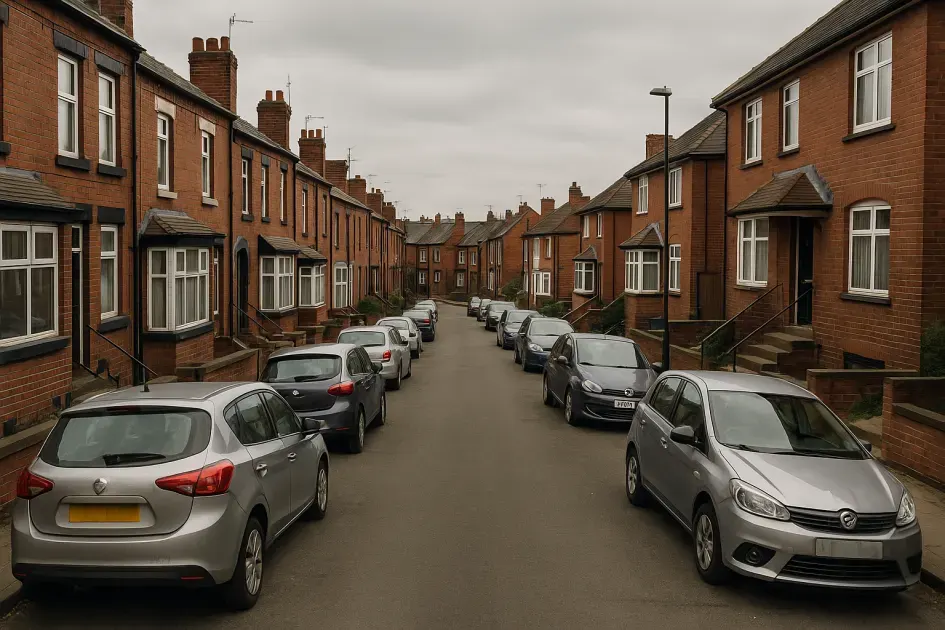
East Leeds contains a mix of Victorian terraces, inter-war and post-war semi-detached houses, council and private flats, and newer build estates around Cross Gates and Colton. That variety creates very specific operational frictions that directly translate into extra time and fees on a move. Below are the common, location-specific causes of unexpected charges and the real-world implications for planning and cost.
Kerbside is at a premium in areas such as Harehills and the shopping streets of Cross Gates. When a removal lorry cannot legally or safely stop outside the property because of resident parking, delivery bays or double yellow lines, crews spend time circulating or waiting for a space. That time is billed as waiting or overtime: on a morning move that can add one or more additional crew hours before loading starts. If a street requires a temporary suspension of parking and this hasn’t been arranged in advance, the vehicle may need to park on a nearby side road and the move stretched into extra labour costs.
When you are ready to move from cost checks to the main service page, start with removals in East Leeds and use moving costs in Leeds for the wider regional picture.
You will often need to consider This issue is often linked with moving costs in East Leeds and property access challenges in East Leeds, so reviewing them together usually gives a clearer planning view. at the same time.
Leeds City Council enforces parking in residential and shopping areas. In parts of East Leeds around schools, local GP surgeries or Cross Gates town centre there are stretches where parking is controlled or heavily monitored. If a vehicle is signed in wrongly or left on a yellow line to allow close loading, the client can be liable for a Penalty Charge Notice. Alternatively, securing a temporary loading suspension or a residents’ bay booking can be necessary — the administration and any permit fees add to pre-move costs and require lead time to organise.
Many terraced streets in inner-East Leeds have narrow pavements that prevent close kerbside parking; new-build estates tend to have short, tight turning heads where large vehicles cannot get in. Those layouts create long carry distances for bulky items — wardrobes, fridges, sofas — and each extra 20–50 metres of carry typically requires more time, extra protective kit and sometimes an additional handler to move safely. The net effect is higher labour charges and a longer booked slot on the day.
Flats in Gipton, Seacroft and parts of Killingbeck often sit above ground-floor shops or in older blocks with small lifts. If a lift is too small, unreliable, or only available at certain times, porters must carry items up stairwells — sometimes multiple flights. This increases physical handling risk and the number of man-hours required. Expect explicit hourly surcharges for stair carries or stair-rated labour, and potential additional charges for items that must be dismantled or reassembled because they cannot fit stairwells or lifts common in these East Leeds blocks.
The A64 corridor and the link roads serving Cross Gates and the ring road near Seacroft can be congested at peak times. Local roadworks, school run peaks and occasional event closures around shopping centres cause unpredictable delays. When a job runs late because of these route delays, this affects the crew’s subsequent bookings: removal firms commonly charge for overruns or require rebooking of follow-up jobs, which can carry cancellation or re-scheduling fees if not managed within the agreed window.
East Leeds’ access constraints make punctuality hard to guarantee. If a move overruns because of parking issues, long carries, or traffic, customers often face one of two outcomes: an immediate overtime charge for the crew on site or a forced rebooking where the next available slot is days later and a second attendance fee applies. This cascading effect is particularly common when multiple properties on a street are booked on the same day — a single delayed job can push several others into overtime and increase total cost.
When planning a move in East Leeds, factor in the specific physical realities of the property and street: terraced houses and narrow pavements raise carry distance and labour; older flats often require stair labour or timed lifts; new-build cul-de-sacs can prevent close kerbside parking. Allow extra time in morning and afternoon windows to avoid peak A64 congestion and enquire early about any necessary temporary parking suspensions near Cross Gates or school zones. For more detail on how these access and time factors influence price estimates see moving costs in Leeds and the local overview at removals in East Leeds. If your property has specific constraints, you can also view the tailored guidance at moving costs in East Leeds.
These answers focus on how East Leeds neighbourhood layouts, roads and buildings create real, chargeable complications during a removal — from extra labour on stairs to time lost waiting for parking.
If a removal vehicle cannot park immediately outside a property because of narrow streets, resident parking or delivery bays, crews can be delayed waiting to load or unload. In East Leeds areas such as Harehills and Gipton, narrow terraced streets and short-stay loading bays around local parades mean crews can spend extra hours waiting for a free kerb space. Those hours are usually billed as waiting or overtime, because they extend crew time on site beyond the pre-booked window.
Some streets around Cross Gates town centre, residential pockets in Killingbeck and near schools operate controlled parking or are frequently congested; organisers or homeowners sometimes need to apply for temporary parking suspensions from Leeds City Council. If no permit or suspension is in place, the crew may have to park further away and return trips add time — which incurs extra labour charges — or risk parking fines that the client becomes liable for.
Victorian terraces in inner-East Leeds frequently have a narrow pavement and on-street parking, forcing parked removal vehicles to be left 20–100m from front doors. New-build cul-de-sacs around Cross Gates and Colton often have limited kerbside space that prevents close parking. Each extra 10–20 metres of carry per item multiplies handling time and increases the likelihood of additional staff being required, which raises the final bill.
Yes. Many purpose-built flats in Gipton and Seacroft are on higher floors or in post-war blocks where lifts are small, unreliable or subject to building manager time windows. Moves that require multiple flights of stairs or staggered timed lift bookings need extra manpower and longer loading windows; both are operational costs that appear on invoices as additional labour or time surcharges.
The A64 corridor and local junctions around Cross Gates and the ring road can be heavily congested at peak times. Delays en route push back scheduled arrival and departure times from other jobs; that domino effect leads to rebooking fees or overtime rates. Restricted streets and cul-de-sacs in newer estates can also force longer routes and extra loading time, again increasing charges.
Surface the awkward details early. The more honestly the access route, loading position and timing pressure are described, the fewer surprises show up later as overrun.