Hidden costs to watch for in Central Edinburgh removals

Why removals in Central Edinburgh generate hidden costs

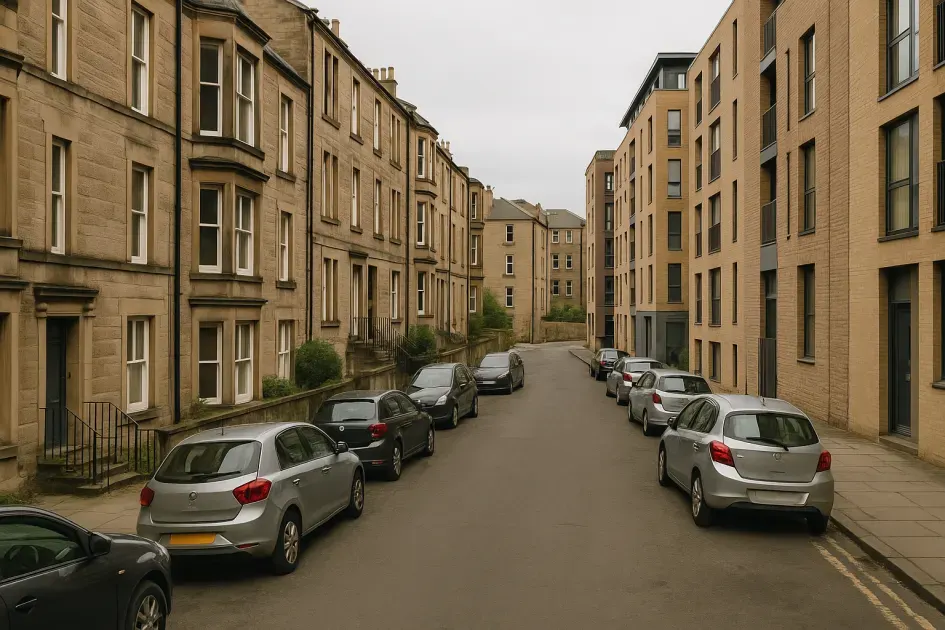
Central Edinburgh’s mix of Georgian terraces, Victorian tenements, modern flats and a handful of semi‑detached homes creates logistical complexity that directly converts into extra time and expense on moving day. This is not theory — it is the physical reality of narrow closes, controlled parking and frequent event-driven street restrictions across the Old and New Towns.

Use removals in Central Edinburgh first for the core service page when you want the clearest route from cost checks to booking.

Parking, bay suspensions and council permits

Many central streets have resident permit schemes and short-term loading bays. A standard removal vehicle cannot assume it can park outside a property for the whole day. If a van is left on a restricted bay or double yellow, the local enforcement team can issue penalty notices or require vehicle relocation, adding recovery costs and lost time. Securing a permitted loading bay or a temporary suspension from the council ahead of time avoids last‑minute relocation — but obtaining those permissions is a planning task and will add to the move’s administrative cost and timing.

For a broader regional view, see moving costs in Edinburgh.

Narrow streets, pedestrianised sections and long carry distances

Parts of the Old Town (closes off the Royal Mile, cobbled alleys) and some New Town terraces restrict vehicular access. Removal vehicles may have to park on a main thoroughfare — often with limited stopping — and the crew must carry goods across cobbles, steps and uneven surfaces. Each extra 10–20 metre carry multiplies trips and labour: more crews, more trolleys, more loading/unloading cycles, and more time on the clock. In practice, a move that appears straightforward on an online map can double in real labour time once carry distance and surface conditions are factored in.

In practice, this usually connects with To spot where extra costs usually appear before booking, look at moving costs in Central Edinburgh and property access challenges in Central Edinburgh as well..

Stairs, small lifts and extra labour requirements

Victorian tenements and many conversions have narrow stairwells or small passenger lifts that cannot accommodate large furniture. Even in newer developments the service lift may be a tight fit or require booking through a concierge. When items must be broken down to fit, or hand-carried up multiple flights, teams need extra personnel and slower, safer handling. That increases the labour charge and loading time and can trigger additional safety equipment or protective packing — all real costs tied to a property’s layout.

Traffic, restricted streets and event-related delays

Central Edinburgh’s traffic patterns are strongly influenced by seasonal events and routine management around key avenues (for example functions around Princes Street, George Street and the Royal Mile). During festival seasons, street closures and pedestrian priorities can make some roads effectively inaccessible to large vehicles for parts of the day. These restrictions force earlier starts, longer routing, or moves outside of normal hours — any of which raise cost through extended labour and vehicle time, or through premium charges for out-of-hours operations.

Waiting time, overruns and rebooking risks

Waiting time charges typically apply when crews are delayed through no fault of the removal vehicle, but in Central Edinburgh delays happen frequently: lifts fail, keys aren’t available at the agreed time, loading bays are occupied, or event diversion routes slow the vehicle. Because many moves in the city are scheduled back-to-back, an early delay can cascade into overruns for the rest of the day. If access cannot be resolved, the job may have to be rebooked — doubling travel and set-up costs and potentially incurring cancellation or rebooking fees.

Property types and how they influence hidden costs

  • Terraced houses (New Town): often have steps to the front door and narrow street-side parking — expect extra carrying time and possible bay suspensions.
  • Flats (converted tenements and purpose-built blocks): frequent stair carries, small lifts and concierge booking windows that require careful scheduling and can add labour charge if not handled in advance.
  • Semi‑detached properties (pockets in the West End): may offer better parking but still face narrow street approaches and garden steps that need additional handling.
  • New builds and developments: often have service yards or controlled loading bays, but these usually require prior booking or a site-specific access agreement — failing to coordinate can produce delays and extra call-out visits.

Practical implications for time, cost and planning

Every access restriction becomes a measurable increase in time spent on-site: longer carries multiply labour, permit delays add idle waiting, and failed lift access converts planned single trips into repeated hand-carries. These time increases convert directly into cost items — extra labour hours, waiting time charges, permit fees and possible fines — and into secondary costs such as the need to rebook or to use additional specialist handling equipment.

What to check specifically for Central Edinburgh moves

  • Whether your street is within a Controlled Parking Zone and if a bay suspension is required for a removal vehicle.
  • Whether building lifts need advance booking and the size limits of service lifts in purpose‑built blocks.
  • Carry distance from the nearest legal stopping point if your property sits off a narrow close or a pedestrianised section.
  • Local events or roadworks on your proposed moving date — festival weeks, Hogmanay and Christmas markets regularly change access patterns.

For detailed, property-specific considerations see the Central Edinburgh removals overview at removals in Central Edinburgh and general pricing and cost factors at moving costs in Edinburgh. If you are moving within a particular development, check any site instructions listed on moving costs in Central Edinburgh prior to booking to avoid last-minute access charges.


Common questions about unexpected removal costs in Central Edinburgh

Central Edinburgh has a distinct street pattern, building stock and event calendar that create real operational costs. The answers below focus on how those local factors produce extra time and charges.

Central Edinburgh has many controlled parking zones, resident bays and short-term loading bays. If a removal vehicle parks on double yellows or an active bay without a suspension permit it can be ticketed or towed — creating immediate fines and recovery costs. Securing a temporary loading bay (bay suspension) from the council, or arranging a service yard slot in a new-build development, may be necessary and will add time and fees to the plan.

Old Town closes and some New Town terraces are too narrow for standard removal vehicles. That forces the crew to park on a nearby main road and carry items long distances over cobbles and steps. The additional carry distance and repeated trips increase labour hours and loading time, often producing hourly waiting or overtime charges.

Yes. Many tenements and converted flats have steep, narrow staircases or small service lifts. When furniture won’t fit a lift or needs to be hand-carried around winding stairs, removals require extra personnel and slower handling, increasing labour on the job sheet. Some purpose-built blocks require advance lift-booking or have restricted loading windows — failure to book in advance can cause costly delays.

Seasonal events (the Festival period, Hogmanay, Christmas markets) and routine traffic management around Princes Street/George Street regularly change road access and parking availability. Street closures and diversion routes force longer itineraries, increase travel time between jobs and raise the likelihood of overruns or rebooking, which incur additional charges.

Waiting time charges apply when crews are idle because of access issues: delayed key handovers, blocked access by other vehicles, lift failures, or council permission delays for bay suspensions. In Central Edinburgh the constricted streets and tight schedules mean a short delay often turns into an hour of billed waiting or overtime if the crew misses a booked return slot or needs to finish after the contracted time.

Surface the awkward details early. The more honestly the access route, loading position and timing pressure are described, the fewer surprises show up later as overrun.