
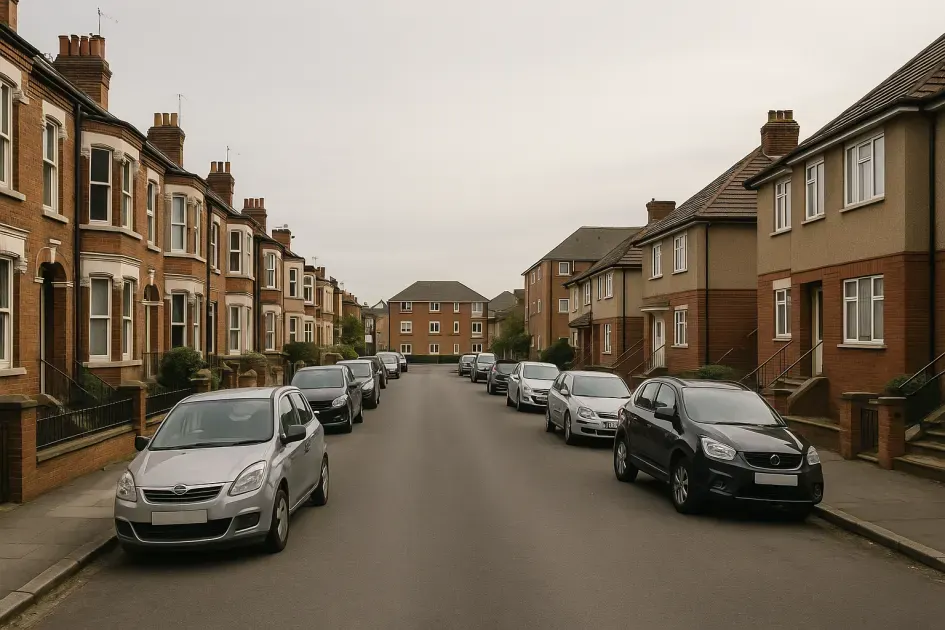
Penarth is a compact seaside town with a mix of Victorian terraces, converted flats near the High Street and modern waterfront developments around the marina and seafront. Each building type and its street environment create distinct operational challenges that directly affect time, crew needs and therefore price. Read on for the specific local reasons a job in Penarth will cost more — or less — than the same move elsewhere in Cardiff.
Terraced houses: Many older terraces in central Penarth have narrow pavements and no drives. This typically forces crew members to carry items farther from a parked vehicle — often up steps or through narrow doorways. The extra carry and careful manoeuvring increase labour minutes and raise the chance that bulky items must be disassembled, each factor adding to the final charge.
removals in Penarth is the main booking page for checking availability, pricing and move details in one place, while moving costs in Cardiff gives the wider regional cost picture.
If you want to separate headline pricing from the details that change the final job, hidden moving costs in Penarth and property access challenges in Penarth.
Flats in converted Victorian houses: Staircases are commonly tight or winding. A single awkward flight can add 15–30 minutes per bulky item and may require an extra person to control the carry safely. Where a piano or large furniture is present, specialist handling or an external hoist can be necessary — both are higher-cost operations in Penarth because of limited access points.
Semi-detached homes and new builds: These often give easier parking and level access, especially on the town’s outskirts. New-build apartment blocks near the marina usually have lifts and loading bays, which reduce manual carrying time. However, lift size and loading-hour restrictions still matter — a furniture item that doesn’t fit in the lift triggers stair carries and added labour.
Parking and narrow streets: The area around Penarth High Street and the Esplanade has short streets, on-street parking and frequent pedestrian traffic. Large removal vehicles cannot always stop curbside. When a vehicle must park 50–150 metres away, expect extra carry time and possibly an additional crew vehicle for shuttle runs.
Residents’ bays and permit zones: Several residential streets operate permit parking. To park a large vehicle adjacent to a property you may need a temporary bay suspension ordered from the local council. Obtaining a suspension and slot usually adds a planning step and cost — and failing to secure one often means longer loading distances on the day.
Lifts and stairs: Marina-side and recent-build apartments may have modern lifts, but many converted flats have stairwells that are too narrow. Measure lift car dimensions in advance: if furniture won’t fit, disassembly or a stair carry becomes unavoidable and extends job duration.
Large removal lorries are ideal for reducing the number of journeys, but on Penarth’s tighter residential streets they can be impractical. Restrictions include tight turning circles, narrow cul-de-sacs and coastal roads that limit heavy vehicles at certain times. When a large lorry cannot reach the property, removal logistics move to a shuttle model: smaller crew vehicles transfer goods between the property and an off-street loading area. The shuttle model increases vehicle hours, fuel and crew labour — often turning a one‑hour load into a two‑to‑three hour operation.
The crew required depends on property type and access. Typical patterns in Penarth:
Each additional crew member increases the hourly cost but can reduce the overall hours on site; in Penarth this trade-off is important when steep streets or tight staircases are likely to slow a small crew.
Carry distance: Moving from a house on a narrow street near the Esplanade often means additional 50–150m carries. Each 20m of carry or each additional flight of stairs typically adds 10–20 minutes of labour per bulky item. On a property with several long carries, this can add several man-hours to the job.
Loading delays: Waiting for a loading bay to be vacated or for a council permit to be checked can add unpredictable delays. Peak tourist days and summer weekends around the pier and seafront generate parking congestion; that congestion translates to longer loading windows and higher charges.
Access restrictions: Some roads have weight or size restrictions at certain times (for example, local traffic only on narrow residential routes during daytime). These local rules increase planning time and sometimes necessitate off-site loading points.
Day of the week: Saturdays are the busiest in Penarth — especially during fair weather — and suppliers commonly charge weekend or peak-day premiums. Weekday mid-mornings avoid the early-morning loading-hour premiums but can clash with school-run traffic on residential streets.
Time of day: Early starts can be cheaper in terms of avoiding congestion, but they may attract call-out or premium-hour charges. Late finishes may require overtime rates for labour which are billed per hour.
Seasonal effects: Summer months and bank holidays see higher local footfall on the seafront and more demand for moves. The combination of festival weekends, holiday traffic and sightseeing visitors can make parking and access slower, increasing the time on site and the cost.
Compared with inner Cardiff areas with wider streets or commercial loading bays, Penarth’s mix of narrow terraces, constrained seafront roads and popular public spaces makes logistical planning more time-consuming. Conversely, some suburban Penarth pockets with driveways and off-street parking are cheaper to service than comparable terraced streets in the city. The difference comes down to real, measurable operational friction: carry distance, number of turns, lift availability and parking permissions — all of which translate directly into labour hours and vehicle usage.
For more local detail see the Penarth removals overview at removals in Penarth and the wider Cardiff pricing context at moving costs in Cardiff. If you need to understand additional on-the-day charges, read about common hidden fees at hidden moving costs in Penarth.
| Move size | Typical range | What usually affects it |
|---|---|---|
| Studio / small 1-bed | £140–£280 | permit-controlled residential streets with short kerb frontage outside terraced rows and limited on-street stopping. |
| 1–2 bed flat | £260–£480 | Carry distance, stair cycles, lift access and van positioning. |
| 2–3 bed home | £420–£780 | Furniture volume, loading distance, disassembly needs and timing pressure. |
Answers to common cost questions specific to Penarth — including parking, stairs, crew size and timing effects.
Victorian terraces around Penarth town centre often lack off-street parking and have narrow frontages. That increases carry distance and loading time — crews frequently need to park a short walk away, adding 30–90 minutes to the job and extra vehicle runs, which pushes up cost compared with similar properties with driveways.
Yes. Waterfront flats and marina apartments may have strict gated access, narrow lifts or no lift at all. Lift dimensions and stair geometry determine whether items need disassembly or shuttle carries; both add time and labour. If a lift isn't available, expect higher labour costs to cover additional crew and longer loading times.
Possibly. Busy streets near the pier and High Street often require temporary loading bay suspensions to allow a lorry to park close by. Arranging and paying for a council suspension takes time and budget — failing to do so can mean extra walk distance and shuttle runs, increasing the price.
Penarth is busiest on sunny bank-holiday weekends and summer Saturdays near the seafront. Weekend and peak-summer moves attract higher demand and sometimes surcharge rates. Early-morning starts can reduce parking issues but may come with call-out or premium-hour charges.
Yes. Large removal lorries struggle on narrow, one-way residential roads and some coastal approach roads. When a large vehicle cannot access a property, smaller crew vehicles are used for shuttle runs — increasing labour hours and vehicle mileage, which raises the overall cost.
In many cases, yes. A quieter weekday slot can reduce waiting and make access more predictable, especially where factors such as weekday commuter pressure tend to create friction at busier times.