
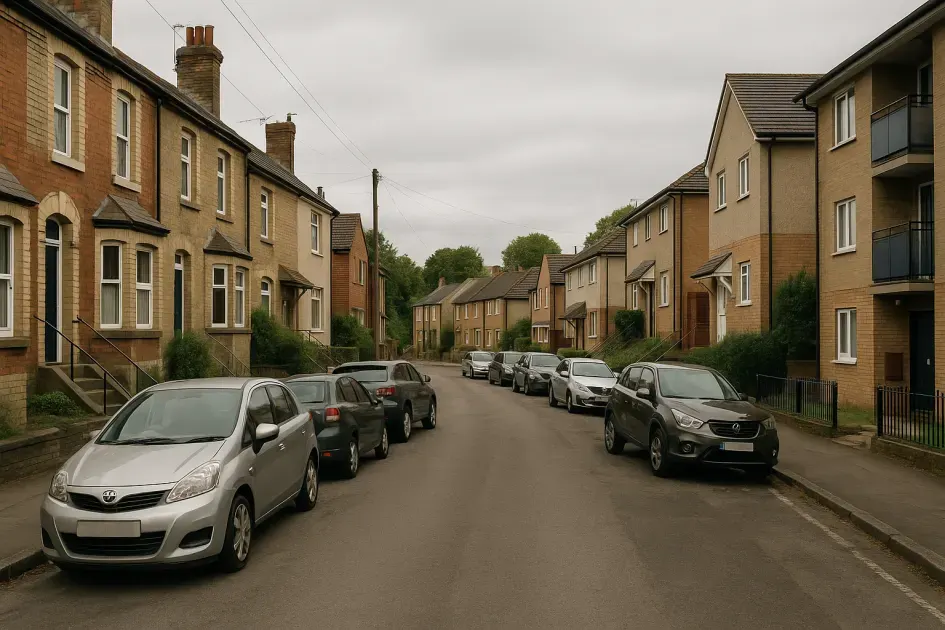
Caerphilly’s housing mix — older terraces near the town centre, purpose‑built and converted flats, semi‑detached suburban houses and modern new‑build estates on the outskirts — creates a set of predictable packing and access challenges. Practical planning for those property types reduces time on site, lowers the risk of damage and helps avoid unexpected costs from longer carry distances or parking restrictions.
Many Caerphilly flats are above shops or in converted Victorian terraces with narrow, winding staircases and no lift. For these properties:
removals in Caerphilly is the main booking page for checking availability, pricing and move details in one place, while Cardiff moving timing guide gives the wider regional context.
For the next planning step, this issue with best time to move in Caerphilly and moving guide for Caerphilly so the booking page can stay focused on the actual move rather than duplicate planning detail.
Because carries up several flights will increase total move time, factor extra loading/unloading minutes into any schedule for flats or houses with multiple stair flights.
In parts of Caerphilly parking for a removal vehicle is not always directly outside the property. Terraced streets, back lanes and new‑build cul‑de‑sacs can force carries of 20–100 metres or more. To protect possessions during longer carries:
Longer carry distances increase labour minutes, so budget extra time and consider earliest possible parking arrangements to avoid peak times that restrict access.
Clear labelling and a sensible loading plan are especially valuable where access is awkward or loading time is restricted by parking. For Caerphilly:
Tight access is common in Caerphilly’s older streets and some new estates where turning the vehicle close to the property isn’t possible. To prepare:
Every access constraint translates to measurable operational friction: longer carry distances increase labour minutes; tight staircases slow each trip; parking limits create loading windows that can compress work and require bay suspensions. In practice this means:
For an overview of timing considerations when planning a move in Cardiff and surrounding towns such as Caerphilly, see the moving timing guide at Cardiff moving timing guide. For general locality information specific to removal operations in Caerphilly, visit the parent removals page at removals in Caerphilly. If you want to consider how season and local events affect access, the best time to move guidance is at best time to move in Caerphilly.
Short answers to the questions householders in Caerphilly most often ask when packing for a full house, flat or office move. Each answer points to the real access and property constraints local to the town.
Use smaller boxes (max 15–20kg) to make single‑person carries on narrow staircases safer and quicker. Pack bulky but light items (bedding, pillows) into larger soft bags that can be managed on tight turns. Keep a clear route by temporarily removing hallway rugs and protecting banisters with blankets—town centre flats often have tight staircases above shops, so expect an increased carry time that will affect loading windows.
If parking can’t be right outside—common on terraced streets and some new‑build cul‑de‑sacs—use fully sealed plastic boxes or waterproof coverings and heavy moving blankets. Secure items on trolleys or dollies and pad corners; extra wrapping is needed where long carries expose pieces to multiple handoffs and kerbs, which adds time and therefore cost to the job.
Yes. Label each box with floor number, room and a clear handling note (e.g., 'BEDROOM 2 — UPSTAIRS — FRAGILE'). Use colour stickers for floors so porters can prioritise deliveries at the destination. In Caerphilly terraces and back‑lane access routes, this reduces confusion and prevents repeated trips up and down flights of stairs.
Limited kerbside space in the town centre, resident bays and narrow lanes mean loading often requires longer carry distances or short‑term bay suspensions. Pack an essentials box first so the most important items are offloaded quickly if parking time is limited; plan for extra loading time and potential council permit requirements for suspending parking on busy streets.
Yes. Many new‑builds have narrow internal doors and corridors that look spacious but don’t allow large items to turn. Dismantling beds, long tables and some wardrobes reduces handling time on stairs and through tight corridors common on estate layouts, cutting down on labour time and the risk of damage.
The exact answer depends on the access route, loading position, building type and timing conditions in Caerphilly, but clear planning is usually the simplest way to reduce friction and avoid surprises.