
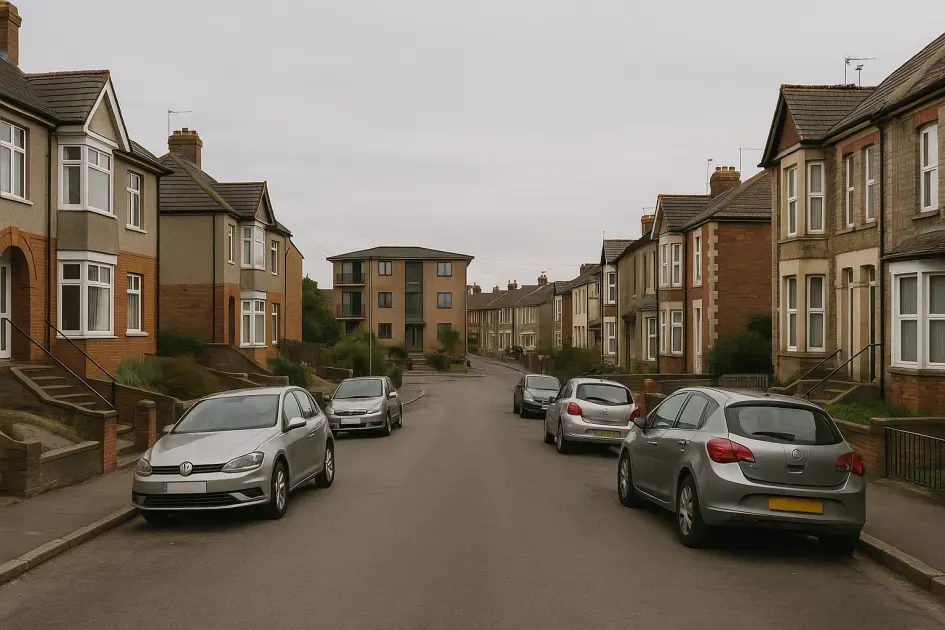
Moving in Barry means working with a mix of Victorian terraces, semi-detached family homes, modern new-builds at Barry Waterfront and flats above shops. Each of these property types creates different packing choices because of real access constraints in the town — narrow back alleys, short-term loading bays on Holton Road, and pockets where a removal vehicle cannot park close to the door. Read links on local move planning at removals in Barry and timing considerations at Cardiff moving timing guide; if you want season-specific notes check best time to move in Barry.
Many properties in Barry town centre and older neighbourhoods are terraced or are flats above shops with tight, winding staircases and small landings. Practical steps:
removals in Barry is the main booking page for checking availability, pricing and move details in one place, while Cardiff moving timing guide gives the wider regional context.
Some Barry addresses — particularly around Barry Waterfront or near the seafront — have service entrances or parking set back from the front door. Where the van can’t park adjacent to the property:
Loading bays and parking restrictions in busier shopping streets and around the station mean removals in Barry often need a tight, pre-planned loading sequence. To reduce turnaround time and crew effort:
For the next planning step, this issue with best time to move in Barry and moving guide for Barry so the booking page can stay focused on the actual move rather than duplicate planning detail.
Tight alleys, rear yard access and short-term parking restrictions in Barry create awkward loading positions more often than in suburban sites. Make these preparations:
Real-world implications: moving into or out of a Barry terraced property often takes longer than a suburban semi because of stair carries and restricted parking. Budget extra crew time for every flight of stairs and every section of carry over 20 metres, and order suitably sized packing materials and protection to match each property type. For operational planning details, return to the main Barry removals information at removals in Barry and consult the timing guide at Cardiff moving timing guide.
Short answers to common packing and access questions for moves around Barry, from Barry Waterfront new builds to terraces in the town centre.
Terraced properties in central Barry often have narrow front doors, tight hallways and steep internal stairs. Use smaller boxes (10–15kg) for stair carries, protect skirting and bannisters with moving blankets, take apart large furniture at the property where possible, and label boxes with floor and room to speed up placement and reduce repeated carries.
In busier streets such as Holton Road and near Barry Island, on-street parking and short-term loading bays are common. For larger removal vehicles you may need a temporary bay suspension from Vale of Glamorgan Council or to plan for longer carry distances if legal parking is a short walk away. Allow time to arrange a suspension — councils can take several working days to process requests.
For longer carries typical of some Barry waterfront developments or side-streets where parking is limited, double-wrap furniture in blankets and shrink-wrap, use sealed plastic boxes for electronics to guard against coastal damp, and rent a stair or appliance trolley for repeated heavy trips. Secure loose items so they don't shift on multi-stage carries.
Flats above shops and converted terraces often have narrow staircases and limited landing space. Pack into slim, manageable boxes, remove doors where necessary, protect walls and floors with boards or runners, and stage essentials in a clear kit labelled 'Top floor' so it doesn't get lost among many boxes.
Access friction — tight streets, stairs, and long carries — increases loading/unloading time and therefore labour costs. Each extra flight of stairs or lengthy pavement carry can add measurable time to a move, so plan for additional crew hours or a longer move day when booking. Early measurements and a clear loading plan reduce unexpected charges.
The exact answer depends on the access route, loading position, building type and timing conditions in Barry, but clear planning is usually the simplest way to reduce friction and avoid surprises.