
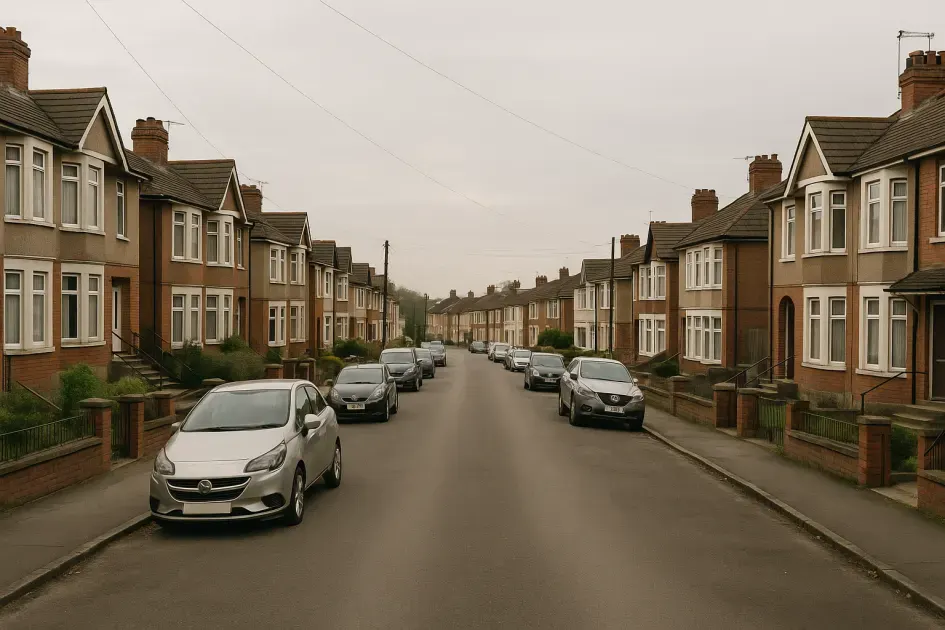
What actually drives removals costs in Barry, Cardiff

What actually affects removals costs in Barry

Moving in Barry (Vale of Glamorgan) is shaped by local streets, building stock and seasonal footfall. Below are the real, physical drivers that change time and cost for a full house, flat or office move in Barry — not generic checklist items. Links: removals in Barry, moving costs in Cardiff, and further notes on extra charges at hidden moving costs in Barry.

1. Property type — terraced houses, flats, semi‑detached and new builds

Barry’s mix of Victorian terraces, mid‑century semis, purpose‑built flats and modern new builds each change the physical labour required:

removals in Barry is the main booking page for checking availability, pricing and move details in one place, while moving costs in Cardiff gives the wider regional cost picture.

  • Terraced houses (central Barry, near Holton Road): narrow internal doors and tight staircases slow handling; furniture often must be lifted and angled, increasing time per item and the need for extra crew or specialist kit.
  • Flats above shops or upper‑floor maisonettes: lack of direct parking and multiple flights of stairs lead to long carry distances and repeated trips, which raise hourly labour charges.
  • Semi‑detached houses (suburban Barry): easier external access and space for a large vehicle reduce loading time, but gated driveways or low garden walls can still force manual handling rather than direct vehicle access.
  • New builds and apartment blocks: many have parking courts which can permit shorter carries, but access might be via narrow private roads or restrictive bollards that prevent large lorries — forcing smaller vehicles and more journeys.

2. Access constraints unique to Barry

Local access realities in Barry affect crews and schedules more than distance alone:

  • Parking: Holton Road and the town centre have limited loading bays and pay-and-display areas; on-street parking controls can force the vehicle to park further away and add carry time.
  • Narrow streets and one‑way systems: older residential streets and some links near Barry Docks are narrow or have traffic flow restrictions, making it difficult for large removal vehicles to manoeuvre.
  • Lifts and stairs: many purpose‑built blocks and older terraces differ — a building with a fast service lift reduces time per box; a steep, narrow staircase increases labour and risk of damage, which leads to slower loading and higher manpower.
  • Temporarily restricted roads and events: Barry Island events and occasional roadworks on approaches like the A4050 or Holton Road can make arrival and departure slower on the day.

3. Vehicle limitations and what they mean for cost

Choice of vehicle is dictated by street width, kerb heights and parking. In Barry this often produces trade‑offs:

If you want to separate headline pricing from the details that change the final job, hidden moving costs in Barry and property access challenges in Barry.

  • Large 18‑tonne wagons: ideal for whole‑house loads but require room to turn and park. In many Barry terraces and cul‑de‑sacs they cannot get close to the property, causing longer carry distances.
  • 7.5‑tonne or smaller tail‑lift vehicles: more likely to reach restricted streets and estate entrances — but they carry less per trip. Needing multiple trips increases crew hours and vehicle time on site.
  • Multiple vehicle logistics: when a large vehicle cannot access both sites, two smaller vehicles or shuttle runs are needed, which increases fuel, driving time and coordination complexity.

4. Crew size and operational friction

Local building layouts and parking directly determine crew size and task flow:

  • Small two‑person crews: may be fine for short carries and single‑bed moves in suburban areas, but they slow down significantly in terraced streets with long flights of stairs.
  • Larger crews (3–5 people): speed up loading/unloading on properties where vehicles can park close, but labour costs rise per hour. In Barry, larger crews are often necessary where parking cannot be positioned directly at the door.
  • Specialist roles: stair teams, furniture dismantlers and a vehicle loader all reduce time on‑site but add to upfront staffing costs. Tight staircases and awkward corner‑cutting in older stock commonly require these roles.

5. Time of day, day of week and seasonal effects

When a move happens in Barry changes cost because of traffic, parking and local activity:

  • Weekdays (early starts): typically the most efficient in town — early morning access before shops open and commuter peaks often gives quickest loading times.
  • Saturdays and bank holidays: higher local demand plus visitor traffic (especially on Barry Island and seafront) increases loading time and escorting around obstacles, which adds crew hours.
  • Seasonality: summer weekends bring more traffic and limited parking; winter weather (wind/wet) can slow handling for coastal properties and require extra protective materials and care.
  • Time windows set by buildings: some flats and estates impose specific delivery windows for removals. Constrained slots cause waiting or staged moves that increase overall time and cost.

Putting it together: why Barry costs differ from other parts of Cardiff

Compared with central Cardiff, Barry mixes tighter historic terraces and coastal tourist flux with suburban new builds. Central Cardiff may have more formal loading bays and larger streets near commercial districts, reducing vehicle and crew time. Barry’s combination of narrow residential streets, variable parking, and seasonal visitor peaks means moves often need more planning, permit handling and either extra manpower or additional vehicle trips — each of which raises the final cost.

Practical next steps for realistic cost planning

Assess the exact access at both addresses (parking, number of stair flights, lift dimensions, road width) and check for local event dates or council bay restrictions through the Vale of Glamorgan Council. For a focused overview of costs across Cardiff, see moving costs in Cardiff, or for possible extra charges specific to Barry consult hidden moving costs in Barry. For local context and services around the town, visit the Barry removals overview at removals in Barry.

Move size Typical range What usually affects it
Studio / small 1-bed £140–£280 courtyard access and narrow approaches and limited on-street stopping.
1–2 bed flat £260–£480 Carry distance, stair cycles, lift access and van positioning.
2–3 bed home £420–£780 Furniture volume, loading distance, disassembly needs and timing pressure.

Frequently asked questions about moving costs in Barry

Short answers to common Barry-specific cost questions — parking permits, flats above shops, coastal seasonality and lift/stair issues that add time and cost.

Possibly. Many streets around Barry town centre, Holton Road and some residential terraces have limited or time-controlled parking. If a large removal vehicle cannot be left in a loading position, a temporary bay suspension (through the Vale of Glamorgan Council) or paid parking permit for short-term loading may be needed. Organising a bay suspension adds administration time and usually a third‑party fee and increases the move duration on the booking day.

Flats above shops commonly found on Holton Road have narrow staircases, no parking directly outside and frequent pedestrian traffic. Carried distance from legal parking to the flat door and the number of stair flights substantially increase labour time. When there is no lift, each extra flight adds predictable minutes per item, which increases total crew hours and therefore cost.

Yes at peak times. Barry Island and the coastal approach experience peak visitor traffic in summer weekends and bank holidays. Congestion and short-term parking restrictions slow loading and unloading, which can add to crew hours. Off-peak weekday moves to coastal addresses are generally quicker and cheaper than summer weekend moves.

Not automatically. New builds and estate cul‑de‑sacs around Merthyr Dyfan or Cold Knap often allow direct parking in front of properties, reducing carry distance and loading time. However, narrow estate roads, gated car courts and visitor restrictions can still prevent large 18‑tonne wagons from reaching the door, forcing smaller vehicles and extra trips, which raises cost.

A working passenger/service lift that allows protected use for removals can cut time dramatically, particularly for multiple-bedroom flats. However, slow or small lifts, scheduled building restrictions (allocated lift times) or the need to protect lift interiors add handling time and materials cost. The balance between lift availability and lift speed directly affects required crew hours.

In many cases, yes. A quieter weekday slot can reduce waiting and make access more predictable, especially where factors such as weekday commuter pressure tend to create friction at busier times.