How removals conditions vary across Cambridge
Street width, parking controls, cycle infrastructure, college traffic, and mixed housing stock create different loading realities across the city. Planning for carry distance, stair counts, lift bookings, and timed loading windows has a direct impact on duration and crew configuration.
Neighbourhood access patterns
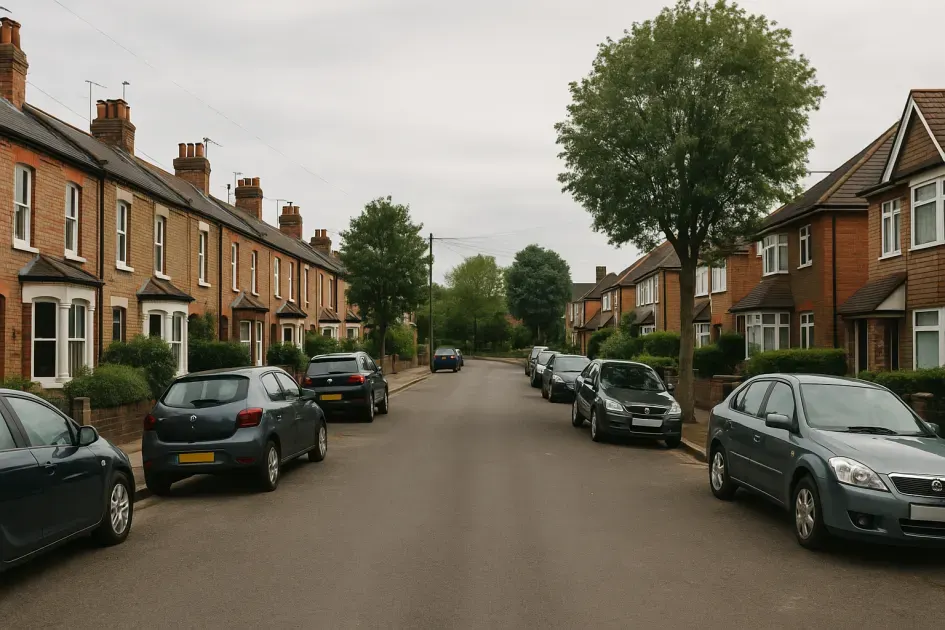
Historic cores and riverside terraces can be tight for larger trucks, with controlled bays and active cycle lanes. Suburban estates usually allow closer kerbside loading, but traffic-calming, school streets, and cul-de-sacs still affect routing. Establish the legal loading spot and a safe walking route to the door before move day.
Property and loading differences
Victorian terraces often mean narrow doorways and on-street loading; modern apartments may require lift protection and concierge sign-in; detached homes can offer driveway access but longer internal walks. Each scenario changes how cartons are staged, which trolleys are used, and whether a shuttle vehicle is prudent.
How to plan for different move types
Houses benefit from driveway scheduling and clear room labelling; flats need early lift/lobby reservations and mattress protection routes; offices require equipment inventories and phased access for shared loading bays. See service guidance for House removals, Flat removals, and Office removals.
City-wide baseline: where time is lost
Common time drains include searching for legal parking, shuttling from distant bays, waiting for lift availability, navigating busy cycle corridors, and protecting tight staircases. Lock these down during the survey stage to prevent delays cascading into key-collection or handover windows.
Eight local variables that change removals planning
1) Street width and bay controls
Decide if a truck can stage directly outside, whether a suspension is needed, or if a smaller vehicle avoids penalties and reduces carries.
2) Carry distance and property set-back
Long paths, rear access, or shared courtyards change trolley choice, crew pacing, and the need for a shuttle van.
3) Stairs, lifts, and concierge rules
Lift size, booking windows, and stair protection requirements determine load order and peak crew size.
4) School streets and peak traffic
Timed closures around schools and rush-hour pinch points affect start times and route planning.
5) Cycle lanes and safe loading margins
Maintain legal, visible loading positions without obstructing cycle traffic; cones and signage may be required.
6) Low bridges and weight limits
Bridge heights and restricted roads shape vehicle choice and contingency routes.
7) Property mix and packing density
Terraces with narrow doors may need smaller cartons and more dismantling; newer builds can take larger items if access is direct.
8) Key-release and chain timing
Where keys release late, plan phased loading or off-street waiting to keep the team productive.
Practical planning checklist
- Confirm a legal, close loading spot at both addresses; arrange permits or bay suspensions if required.
- Measure doorways, stairs, and lifts; pre-plan dismantling for oversized items.
- Reserve lift access and note any concierge or dock instructions with times and contacts.
- Label rooms and fragile items; stage cartons near exits to streamline load order.
- Align start time with traffic flows, school streets, and key-release windows.
Scenario examples
Example 1: Terrace-to-terrace move with permit parking: suspend a bay outside, use mattress covers on tight stairs, and load in smaller batches to maintain pace without blocking the road.
Example 2: Apartment with small lift: pre-book the lift, protect lobbies, switch to compact dollies, and run a timed shuttle from a main road if the bay is short-stay.
Example 3: Suburban detached house: driveway loading enables a larger vehicle; prioritise garden and garage items first, then furniture once rooms are cleared for clean carries.
Apply neighbourhood context
Use local guidance to shape access plans, packing choices, and vehicle mix before you lock in your date and start time.