
Step-by-step removals planning for Newhaven

1. Pre-move preparation — survey the site with local detail

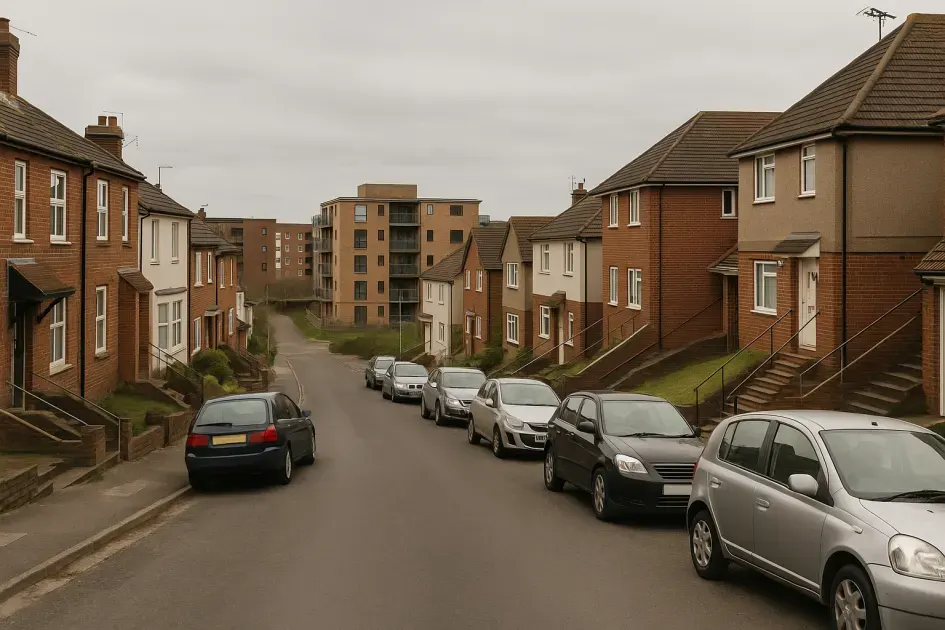
Walk every approach to your property in Newhaven and map real obstacles. Note whether your property is a Victorian terraced house on a narrow Meeching street, a flat above a shop on Fort Road, a semi-detached in the quieter suburbs, or a new-build apartment in the Harbour Quarter. For each type record:

  • door widths and stair widths (Victorian terraces often have tight turns),
  • presence and size of lifts in new-build blocks (measure inner lift dimensions and weight limit),
  • rear access through alleyways or gardens (many terraces have rear pedestrian alleys that may be usable),
  • on-street parking restrictions outside the property and the nearest legal loading point.

Because Newhaven has a working harbour, check whether your street sits on a route used by commercial vehicles; these streets may have active loading bays or time-limited restrictions that affect where a removals vehicle can wait.

Use removals in Newhaven first for the core service page when you want the clearest next step from general guidance to booking.

For a parent-area overview, use Brighton area guide.

In practice, this usually connects with This overview works best when read alongside moving costs in Newhaven and property access challenges in Newhaven..

2. Booking timeline — when to lock things in

Newhaven-specific scheduling needs to allow for local council and harbour constraints:

  • 6–8+ weeks before: begin booking a removal company and request a formal pre-move survey. Summer weekends and dates near bank holidays fill quickly in coastal towns.
  • 4 weeks before: apply to Lewes District Council for any required temporary parking suspension or loading bay sign outside Harbour Road, Fort Road or other central streets. Where the route crosses the Swing Bridge confirm likely opening times with harbour operations if large vehicles are affected.
  • 2 weeks before: confirm lift booking slots with apartment management for new-build blocks; some buildings require specific time windows and insurance details from the removal team.
  • 48–72 hours before: re-walk routes at similar times to your planned move to spot temporary parking issues (market days, delivery vans servicing the harbour, etc.).

3. Packing considerations — adapt to local access

Packing in Newhaven must reflect access constraints and carry distances:

  • For terraces and flats with stairs: use smaller, evenly weighted boxes to ease two-person carries on narrow, steep staircases. Mark boxes with floor numbers and preferred staircase route.
  • For harbour-area new builds: measure sofas and wardrobes against communal lift dimensions in advance. Some apartments have lifts that take two people and a small pallet only.
  • For seaside properties: double-wrap metal fittings and sensitive electronics to limit salt exposure during short external handling or if items sit in the open on the quay.
  • Label boxes not just with contents but with the intended carry route (front, back, via alley) — this reduces loading/unloading time in properties where only a rear lane or narrow street is passable for porters.

4. Move-day logistics — managing local friction points

Move-day timing in Newhaven is shaped by traffic, harbour activity and property access:

  • Parking and loading: if a temporary loading bay is not in place the vehicle may have to stop on the A259 or a nearby side street. That can add 50–200 metres of carry distance for central properties — budget extra porter-hours into time and cost estimates.
  • Swing Bridge and harbour traffic: the Newhaven Swing Bridge can open for vessels. Confirm likely opening windows and plan an approach that avoids potential short closures which can add 15–30 minutes to an inbound or outbound journey.
  • Stairs and lifts: expect slower move rates on days when most items must be carried up narrow internal staircases; typical per-item carry times rise considerably compared with a ground-floor property. That increases overall job hours and therefore cost.
  • Weather on exposed quays: strong winds on Harbour Road or the seafront increase time needed to load large or awkward items safely; plan for secure covers and an extra set of hands if necessary.
  • Traffic and A259 congestion: the A259 and approaches to Newhaven can be busy mid-morning and late afternoon. Start early or schedule outside peak times where possible to reduce journey-time buffer charges.

5. Area-specific planning tips — minimise delays and cost

Practical local tips to reduce friction and unexpected cost in Newhaven:

  • Use local loading points: identify nearby streets with wider pavements or lay-bys (for example short stretches off the A259) where a van can legally stop after consulting with the council — this reduces carry distance versus stopping on narrow residential streets.
  • Inform building managers early: many apartment blocks in the town centre and harbour quarter require bookings for lift protection and set move windows. Securing those slots avoids last-minute rescheduling.
  • Pre-disassemble large items: older terraces often have tight external doorways; disassembly at the property can be more efficient than attempting to manoeuvre whole pieces through stair wells.
  • Account for additional labour where stairs and long carries are unavoidable: putting time and cost against extra porters up-front prevents overruns on move day where each flight of stairs meaningfully slows progress.
  • Plan for contingencies: temporary street closures, harbour events and market days happen in coastal towns; have a backup parking plan and allow an extra 15–30% time contingency in your schedule.

6. After the move — on-the-ground checks

Once items are inside, check the following with Newhaven specifics in mind:

  • Inspect items moved across salty quays for early signs of corrosion and wipe down metal parts.
  • If your new home is a flat above a shop, confirm bin and bulky waste arrangements with the management — some central streets restrict removal of large packaging during business hours.
  • Return any temporary parking permits or bay suspensions paperwork to the council on time to avoid fines.

For more local intelligence about Newhaven properties and specific physical challenges, see property access challenges in Newhaven. To explore neighbouring locations and their access patterns, consult the Brighton area guide at Brighton area guide or review general service information at removals in Newhaven.