
Assess Brighton removals by property and loading route
A Brighton area guide is most useful when it helps turn an address into a workable moving enquiry. Begin with the load, the place the vehicle can use and the route between them. Neighbourhood labels alone do not establish parking permission, stairs or the help needed.
Build an address-specific brief for the move
For a flat, identify the floor, shared entrance and any lift booking. Measure the lift doorway as well as its cabin, then check the route for furniture that cannot use it. Ask the building contact about private loading facilities, entry procedures and any protection requirements.
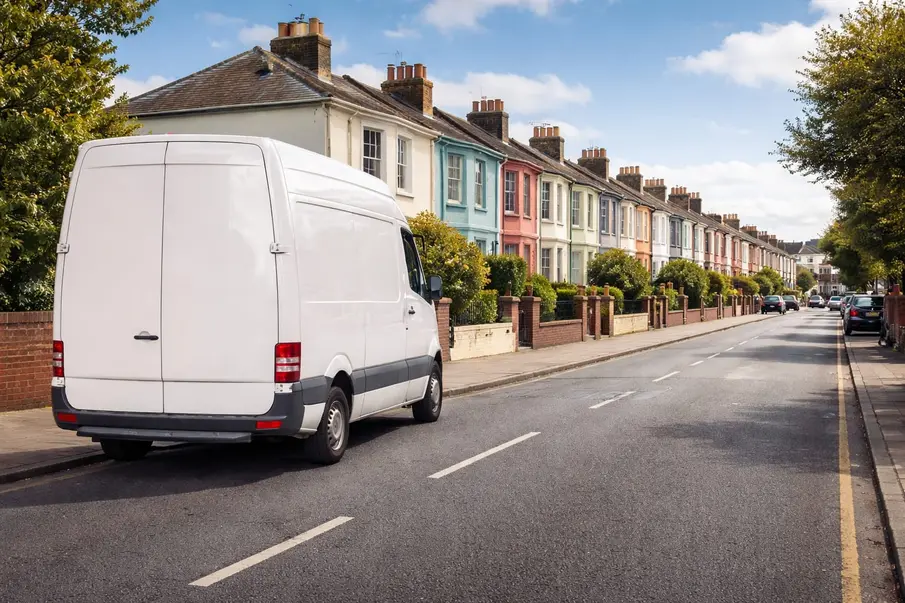
For a house, explain the usable vehicle position and the carry to the furniture exit. Describe steps, gates and narrow turns where present. A driveway does not automatically accommodate the selected moving vehicle, so give its entrance details rather than assuming the van can reach the front door.
At a public-road stop, use the exact street and loading activity when checking Brighton and Hove parking information. Permission from a neighbour or building manager does not reserve a public bay. Any necessary application needs its own confirmation.
Check the receiving home separately. A large piece that leaves the old property assembled may need preparation to enter the new one. Include garages, outdoor belongings and any separate storage destination in the inventory, with requested packing or reassembly clearly identified.
Use the commercial removals page to request transport and help for that complete brief. Keep the related timing and access guides for the specific questions still unresolved, rather than treating general examples as a promise about every Brighton property.
Check the address-specific loading arrangements
For public-road access at the moving address, check Brighton and Hove parking suspension information. Confirm the actual loading arrangement before relying on it; permission for private premises is a separate enquiry.
Before you confirm the move
- Record the actual loading point.
- Measure the most difficult furniture route.
- Confirm public and private access separately.
- Describe the receiving property independently.
- Include every destination in the enquiry.
Related moving guidance
Brighton removals · Brighton moving timing guide · Moving Costs · Brighton access and property guide · Brighton removals services · book your removals · Check the main Brighton removals page · Book your removals