
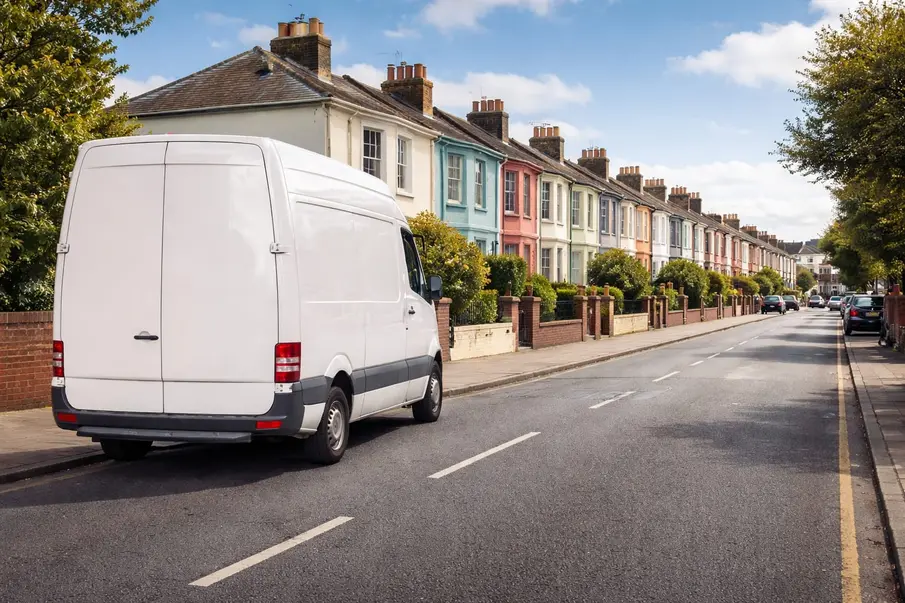
Check Brighton removal access from street to receiving room
A Brighton removal needs the loading position and furniture route considered together. Identify where the vehicle can usefully and lawfully stop, then trace the carry through the entrance to each room. Check the destination independently rather than assuming the old home's exit proves the new route works.
Record measurements and permissions before selecting help
Start with the largest rigid pieces. Measure doors, turns and stair landings, including any external steps. Explain what can be dismantled, what must remain assembled and what preparation you want arranged. Keep the intended receiving room with each furniture item's details.
If a lift is involved, measure its opening as well as its cabin and ask the building contact about furniture use. Confirm a service entrance or loading appointment and describe the carry from it. A lift reservation does not establish public-road permission outside the premises.
For a street stop, consult Brighton and Hove's current suspension information where relevant to the exact address. An application or a neighbour's agreement should not be treated as approval. For a private drive or courtyard, obtain the responsible owner's permission and describe usable entrance and vehicle space.
Keep communal routes clear while packing and identify who can open gates or shared doors on the day. If the proposed loading point changes, report it before the move; a different stop can mean a different carry and handling requirement.
Provide these details with the full inventory when requesting transport and help. Access planning should resolve practical questions about the actual properties, without assuming every Brighton street or building shares the same constraints.
Check the address-specific loading arrangements
For public-road access at the moving address, check Brighton and Hove parking suspension information. Confirm the actual loading arrangement before relying on it; permission for private premises is a separate enquiry.
Before you confirm the move
- Measure the largest pieces and tightest turns.
- Confirm the usable vehicle position.
- Check lift openings and appointments.
- Separate public and private permissions.
- Provide keyholders and entry instructions.
Related moving guidance
Brighton removals services · book your removals · Brighton moving costs guide · Brighton removals area guide · Moving Costs · Local Planning Guide · Brighton moving timing guide