
Understanding Hove’s physical and structural challenges for removals

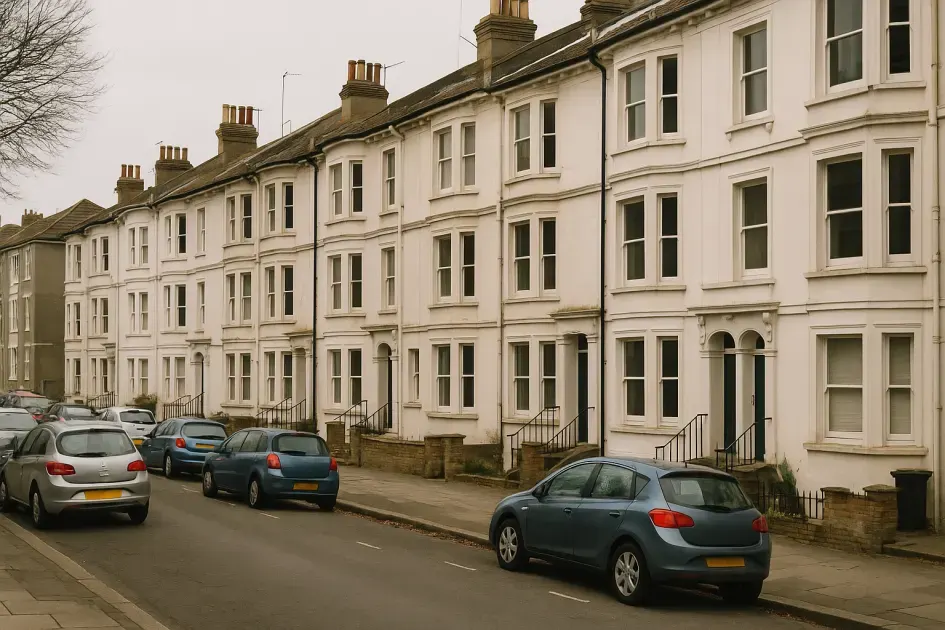
Hove’s mix of Victorian terraces, converted flats, semi‑detached suburbs and pockets of modern development creates a variety of very specific removal challenges. The practical implications — where teams can park, how far items must be carried and whether lifts are available — are shaped by local streets, council parking controls and the age of the building. Below are the key, location-specific issues teams and planners encounter in Hove and how they translate into extra time, cost and logistics.

When you need the main move page rather than property detail alone, start with removals in Hove and use access and property guide for Brighton for the broader regional picture.

Terraced housing: Victorian and Edwardian streets

Central Hove is dominated by long runs of Victorian terraces with bay windows, narrow hallways and steep staircases. These period features are attractive but restrictive in removal terms: many front doors open directly onto narrow pavements, and internal staircases have tight turns and low landings that prevent bulky items being carried upright. On streets off Church Road and around the seafront, the pavement width and kerb heights also limit where a removal vehicle can safely park for unloading.

You will often need to consider For the problems that tend to appear with awkward access, look at moving guide for Hove and hidden moving costs in Hove too. at the same time.

Real-world implications: carries through terraces commonly add 30–90 minutes to a standard job, require extra labour to protect banisters and plasterwork, and often mean dismantling large furniture on site. If parking cannot be suspended outside the property, teams must stage from a legal bay further away — increasing manpower hours and the chance of weather-related delays when crossing exposed seafront stretches.

Flats and apartment access: conversions and purpose-built blocks

Hove has many shop-top conversions on Church Road and Western Road and a large stock of purpose-built apartment blocks nearer Hove station and the seafront. For older conversions, lifts are frequently absent and communal stairwells are narrow. Newer blocks sometimes have lifts, but those lifts can be compact and refuse access for sofas or long wardrobes. Basement or underground parking is common in modern developments, but service ramps and security gates restrict van sizes and turning angles.

Real-world implications: expect longer loading times for stair carries, coordination with block managers for service lift booking, and occasional requirement for a smaller shuttle vehicle to move items from street to entrance. These factors increase labour requirement and can extend the job by several hours if lifts are occupied, booked, or too small for specific pieces.

Narrow roads, parking limitations and council controls

Many residential roads in Hove are subject to Controlled Parking Zones (CPZs) enforced by Brighton & Hove City Council. Church Road, parts of Western Road and streets near Hove station are particularly busy with short-stay bays, bus routes and limited loading space. Narrow one-way streets and tightly parked cars along terraces make it impossible for large removal trucks to double-park safely without a suspension of parking bays.

Real-world implications: securing temporary loading bays or parking suspensions in advance is often necessary to avoid long carries and potential penalties. Failure to arrange this can add 30–120 minutes and may necessitate extra crew or a second vehicle. Route planning must also avoid peak shopping times on Church Road to prevent delays caused by buses and delivery vehicles.

Suburban semi‑detached areas versus denser terraces

Move west from the town centre toward Hove Park, West Blatchington and Hangleton and the built form becomes more suburban: semi‑detached houses with driveways and off‑street parking are more common. These properties reduce carry distance and loading friction. However, they can sit on narrower residential roads without turning space for large vans, and garden gates, hedges and drive slopes create their own handling considerations.

Real-world implications: suburban properties in Hove often save time on loading but still require route checks for turning and reversing a large vehicle. Conversely, dense terraces nearer the seafront trade drive-up convenience for short-distance, labour‑intensive carries. Planning which vehicle type can access the street and where to legally stage plays a decisive role in time and crew sizing.

New builds and infill development: different friction to older stock

Recent developments around Hove station and local infill projects introduce modern service arrangements: secure deliveries, internal loading courtyards and lifts. These features make some moves straightforward — if the service access takes a removal vehicle. Often those spaces are gated, narrow or part of residents’ private roads that limit vehicle length and turning. Landscaped entrances and shared cycleways near the seafront also mean vans cannot park directly by the front door.

Real-world implications: moves into new builds may require coordination with estate management for access windows and lift protection; signing-in procedures can add admin time. If a development uses underground garages for parking, unloading will involve ramps and height restrictions that can require hand-carrying or smaller shuttle vehicles, adding labour and time compared with a standard drive-up unload.

Practical planning steps specific to Hove

  • Survey the street layout around Church Road, Western Road and the seafront to identify potential parking suspensions or alternate legal bays.
  • For terraces and conversions, allow extra labour time for stair carries and protective wrapping of period features.
  • Check lift dimensions and book service lifts in purpose‑built blocks; anticipate lift booking windows with property management for blocks near Hove station.
  • Factor in local CPZ rules administered by Brighton & Hove City Council and arrange suspensions where necessary to avoid staging far from the property.

For an overview of typical Hove street and property layouts and how they affect move planning, see the Hove removals hub at removals in Hove. For broader guidance on access across the Brighton area, including council suspension procedures and vehicle restrictions, refer to access and property guide for Brighton. For local checklist items tailored to Hove properties, see moving guide for Hove.