
Step-by-step removals planning for Hove
1. Pre-move: survey your Hove property and immediate area
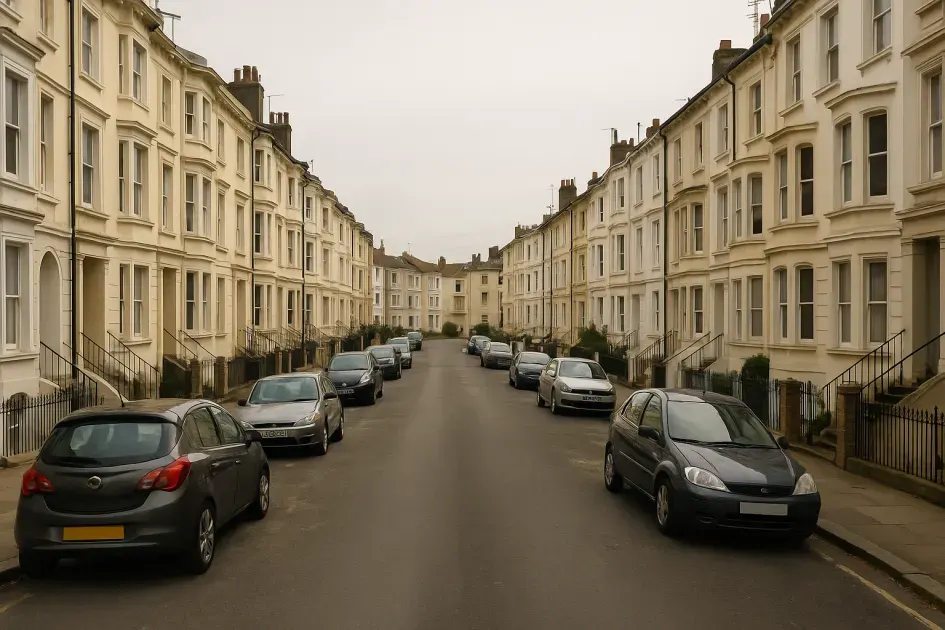
Start with a realistic, physical survey. Hove contains a mix of late-Victorian terraced houses, converted flats in mansion blocks, semi-detached Edwardian pairs and newer infill developments. Walk the route from the nearest legal parking to every entrance you will use. Note these location-specific issues:
Use removals in Hove first for the core service page. If you want a broader parent-area view around this guide, see Brighton area guide.
- Church Road, Portland Road and parts of the seafront are busy with short-stay bays and delivery activity — check loading restrictions and peak times.
- Many converted flats on the western side of Hove have narrow communal staircases or lifts with small internal dimensions; measure lift car height, width and door opening.
- Seafront terraces can have low-rise front gardens and steps that increase carry distance from the road because vehicles cannot mount the promenade.
Record measurements (door frames, stair widths, lift dimensions) and take photos. These facts determine whether furniture needs dismantling, a crane is required, or smaller vehicles for shuttle loads are necessary.
2. Booking timeline: what to arrange and when
Hove’s combination of permit zones and heavy summer demand means lead times matter:
In practice, this usually connects with This overview works best when read alongside moving costs in Hove and property access challenges in Hove..
- 8+ weeks before (if possible): book any specialist equipment such as a small crane or lifting platforms — these are often pre-booked for the seafront and terraces.
- 4–6 weeks: secure a professional removal company and confirm the vehicle size required after sharing measurements and photos of access constraints. For weekends in summer or September book earlier.
- 2–4 weeks: apply to Brighton & Hove City Council for parking suspensions or loading bay permits if the moving lorry needs exclusive space. Allow extra time when moving on market days or during events on Kingsway.
- 7–14 days: confirm building manager or concierge lift bookings for flats and reserve any communal access times. Notify neighbours of likely vehicle placement and loading times to reduce friction.
3. Packing considerations specific to Hove
Tailor packing to the realities of coastal Sussex and the local housing stock:
- Protect against salt and damp: use sealed boxes for papers and electronics, wrap metal fittings to avoid corrosion from sea air on the day.
- Use sturdy, narrow-profile boxes and bags for long stair carries in terraced houses; lighter, smaller boxes speed up flights of stairs and reduce time on the move.
- Label boxes with floor and room — in conversion flats with several short, steep staircases this saves repeated door-to-door checks and cut loading time.
- Measure sofas, beds and wardrobes against stair widths, lift size and door openings. In Hove a three-seat sofa may fit neither the narrow stair-well nor a small lift; plan dismantling or craning well ahead.
4. Move-day logistics: managing access, time and manpower
Move-day in Hove often turns on a few practical bottlenecks. Address these to avoid delays and extra cost:
- Arrive early: commercial traffic peaks later; an early start (before 09:00) reduces congestion on Church Road and near Hove Station and increases the chance of using nearby bays without interference.
- Verify parking/permit status: have the parking suspension paperwork or permit clearly displayed on the vehicle to prevent parking enforcement issues that can stop loading.
- Account for carrying time: narrow stairs and long front gardens add minutes per item. For terraces, estimate 2–3 times the carry time compared with a ground-floor home with driveway — factor this when scheduling labour hours.
- Protect communal areas: bring dust sheets and stair runners for mansion blocks and ask building management whether temporary lift removal pads are required; these measures are often mandatory and save disputes and damage costs.
- Plan for vehicle swaps and shuttles: where a large lorry can’t reach (narrow lanes, seafront promenades), allocate time for loading smaller shuttle vehicles and additional staff. Each shuttle run in Hove’s narrow streets can add 20–40 minutes depending on distance and parking availability.
- Neighbour liaison: inform immediate neighbours and the building manager of arrival time — local traders on Church Road frequently need access and cooperative timing avoids confrontations that delay loading.
5. Area-specific planning tips for Hove
Use Hove-specific checks to avoid last-minute problems and cost overruns:
- Check for resident parking schemes: many Hove streets operate permit zones. If you or the removal team need temporary replacement parking, arrange it through the council well before the move.
- Consider Hove Station and public transport: for smaller moves or to reduce shuttle times, park at designated station car parks where allowed and move items with trolleys during off-peak rail hours — but always check station rules first.
- Event calendar: Brighton & Hove hosts festivals and events that can close roads (seafront and Kingsway). Check local event dates when booking to avoid a clash that could enforce longer walking routes or delayed access.
- Conservation and listed buildings: some terraces on Hove’s conservation areas have restrictions on street works. If planning a crane or street closure, consult the council’s conservation advice early to avoid prohibited works or extra approvals.
- Reference local resources: for detailed local access info see the Hove removals overview at removals in Hove and the wider Brighton area considerations at Brighton area guide. For specific building quirks and unusual access scenarios consult property access challenges in Hove.
6. Real-world implications: time, cost and contingency
Translate the survey facts into budgeted time and costs:
- Carry-heavy properties (narrow terraces, no drive) typically add 30–60% more labour time — that increases hourly costs and the risk of overtime on the day.
- Parking suspensions, lift bookings and crane hires are predictable fixed costs; include them in the quote rather than treating them as optional extras on moving day.
- Shuttle logistics: if a large vehicle cannot reach your door, expect extra vehicle hire and multiple trips. Each additional shuttle run in Hove can add both time and fuel/driver costs.
- Allow contingency time for weather: coastal wind and rain slow handling and containerising certain items. Pack fragile and moisture-sensitive items with extra protection and add a buffer of 1–2 hours to the schedule in storm-prone months.
Final checklist before moving day
- Measurements and photos shared with the removal team or contractors.
- Council parking suspension or permit confirmed and displayed.
- Lift/resident access times agreed with building management.
- Specialist equipment (crane/compact vehicle) booked if required.
- Neighbour and trader notifications completed for busy streets such as Church Road.