
Why removals costs in Hove differ from other parts of Brighton

Hove sits immediately west of central Brighton but has its own physical constraints that change the real cost of a full house, flat or office move. The mix of long Victorian terraces, mid-century semis, narrow-conversion flats and newer seafront developments produces very different operational requirements from, say, Brighton city centre or outlying suburbs. Below are the specific factors that make Hove removals behave the way they do in practice.

Property type: terraced, flats, semi-detached and new builds

Hove’s housing stock is varied and each type influences labour and time:

removals in Hove is the main booking page for checking availability, pricing and move details in one place.

For a parent-area overview, use moving costs in Brighton.

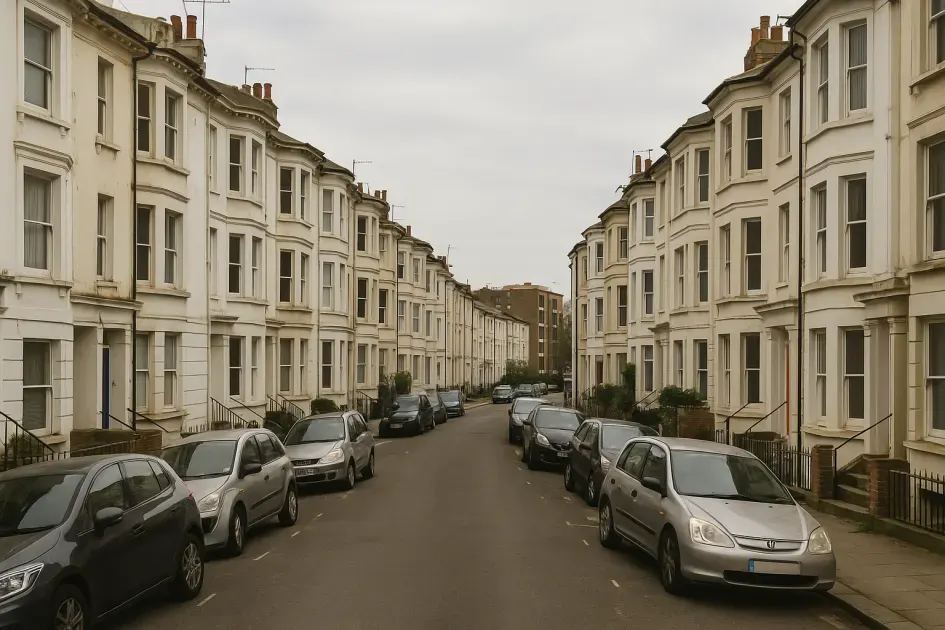
  • Terraced houses (Victorian/Edwardian rows): often have no off-street parking and narrow front gardens. A three-bedroom terrace with cellars and attic rooms increases time per item because furniture must be manoeuvred on tight staircases and long carries from the street are common.
  • Converted flats: many conversions around Church Road and Portland Road have tight communal stairs or single-person lift access. Upper-floor flats without reliable lifts demand more crew and slower, careful handling — both cost drivers.
  • Semi-detached homes: typically offer better kerbside access and shorter carries, so identical volumes can often be moved faster than from terraced addresses in Hove — lowering labour time compared with terraces.
  • New build blocks and modern seafront developments: where a working goods lift and allocated parking exist, moves are much quicker. However, seaside developments sometimes restrict larger vehicle access on the promenade or require special delivery slots, which still affects scheduling.

Access constraints around Hove and physical implications

Hove’s local realities change how long a move takes and what equipment is possible:

If you want to separate headline pricing from the details that change the final job, hidden moving costs in Hove and property access challenges in Hove.

  • Parking controls: residential permit bays and pay-and-display along central Hove streets mean staff often can’t park directly outside. Applying for a temporary loading suspension from Brighton & Hove City Council is a common necessity; without it crews spend extra time walking gear to and from the vehicle.
  • Narrow roads and turning: many streets near the station and in conservation areas are tight. Large furniture lorries can’t always turn into them, so removals may require smaller vehicles and multiple shuttle trips — this increases loading/unloading cycles and labour time.
  • Lifts and staircases: older blocks on roads off Church Road often have narrow, steep stairs and small landings that slow removal of bulky items. Newer builds on the seafront tend to have bigger lifts, speeding moves — but lifts may have booking windows and size limits.
  • Seafront and promenade access: roads along Hove seafront run events and parking restrictions more strictly, particularly during summer events. Road closures, limited loading windows and enforcement by wardens can force off-peak scheduling or longer walk distances from legal parking to the front door.

Vehicle limitations and practical consequences

Not every vehicle will work in Hove’s street network:

  • Large 7.5-tonne lorries are ideal for volume but often can’t gain access on narrow terraces or conservation streets. That forces a choice: a smaller 3.5-tonne vehicle with fewer items per load or a combination of a larger vehicle parked legally away and repeated short shuttles. Shuttle work adds handling time and increases labour costs.
  • Vehicle parking close to the property reduces carry time; where that isn’t possible — for example around Brunswick Villas or parts of Church Road during controlled hours — each additional 10–20 metres of carry multiplies the manpower and minutes required for every bulky item.

Crew size: how Hove’s layout dictates manpower

Crew numbers aren’t chosen by preference but by physical demands of the job in-situ:

  • Long carries and tight staircases require extra hands to maintain safe lifting practices. A two-person crew might be fine for a street-level two-bed flat, but a three-bedroom terrace with narrow stairs typically needs at least a three- or four-person team to stay efficient and safe.
  • Where shuttle runs are needed because a large vehicle can’t park nearby, an additional loader or a dedicated shuttle operative is common — increasing labour cost even if the vehicle cost is lower.
  • Detached or semi properties with driveways and level access often let crews work faster with fewer people, reducing overall cost compared with terraced or upper-floor flat moves in Hove.

Time-of-day, day-of-week and seasonal effects on price and planning

Timing has real, local impact in Hove:

  • Weekdays outside rush hours are usually best for quick access. Morning peak times (school runs and commuter traffic) around Hove Station and Western Road increase journey times between loads and may require earlier starts to meet booking windows.
  • Saturdays and end-of-month moving days are in high demand; crews book up and local parking suspensions are scarce. That demand-driven pressure pushes prices up and limits flexible scheduling.
  • Bank holidays and Brighton & Hove events can lead to road closures or additional enforcement on seafront and town centre streets. Moves in May (festival season) or around large events require extra planning and potentially alternative routes or early booking windows, which translates into higher operational cost.
  • Evening moves are less common because parking and loading suspensions are time-bound; attempting to load outside agreed windows risks fines and delays that add cost on the day.

Real-world planning checklist for Hove moves

Plan for these Hove-specific realities to manage cost and time effectively:

  • Check kerbside rules and apply for a temporary loading suspension early with Brighton & Hove City Council if the van needs to park close.
  • Inspect staircase widths and lift sizes in converted flats so quotes reflect crew size and handling methods.
  • Assess whether a large removal lorry can physically reach the property or whether shuttle runs will be necessary.
  • Avoid end-of-month and major-event dates where possible; book weekday off-peak slots for lower rates and easier parking.

For local context and to start preparing for a move in Hove, see the main area page at removals in Hove. For city-wide comparisons on how Brighton’s different neighbourhoods influence pricing, read moving costs in Brighton. If you want to dig into fees and smaller charges that appear on Hove moves, review hidden moving costs in Hove.