
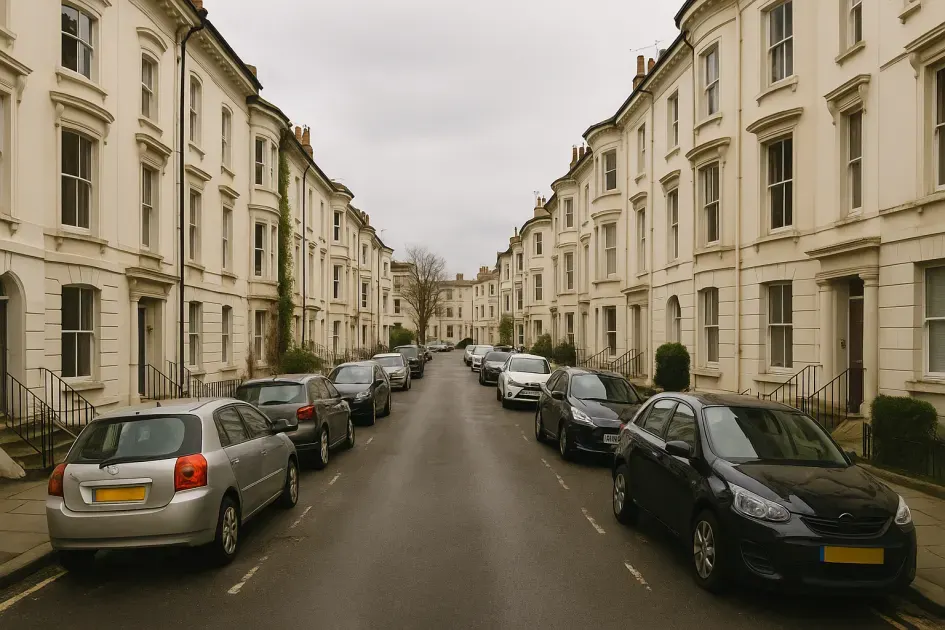
Why Hove adds unique, often unexpected costs to a removal

Moving in Hove is not the same as moving in a leafy suburb or a modern estate. The town’s mix of Regency and Victorian terraced houses, mid‑century purpose‑built flats, new‑build developments around Hove Station and a long seafront all create access and operational frictions that turn minutes into billable hours. Below are the specific causes of hidden cost in Hove, and how those causes translate into extra time and money.

removals in Hove is the main booking page for checking availability, pricing and move details in one place, while moving costs in Brighton explains the wider regional context behind cost differences.

Parking, permits and enforcement — the first cost drivers

Most Hove residential streets fall under Brighton & Hove City Council parking controls. Church Road and nearby shopping streets have short‑stay bays and loading restrictions; many residential roads require residents’ permits. Without a temporary loading bay permit or reserved space, a removal vehicle may be unable to stop close to the property and must park in a pay‑and‑display bay or on a main road such as Old Shoreham Road or the A259 Kingsway.

Unexpected charges are easier to avoid when you this page with moving costs in Hove and property access challenges in Hove.

Real‑world implications: a vehicle forced to park 80–150 metres away increases the number of trips between van and door, prolonging the job by 30–90 minutes. Removal teams generally charge for that extra time as either waiting time or additional labour — a common source of surprise fees. A council penalty for illegal parking compounds the problem and is often higher than a temporary bay fee.

Stairs, narrow Victorian layouts and extra labour

Central Hove’s terraces frequently have narrow halls and winding stairs. Large items (wardrobes, bookcases, pianos) can require dismantling or two‑man manoeuvres through tight landings. Similarly, many older blocks of flats have stair‑only access or lifts too small for bulky furniture; even where lifts exist, they may be slow, in use by residents or blocked at arrival time.

Real‑world implications: extra time spent navigating stairs is billed as additional labour hours. Dismantling and reassembly add kit and time. Where a lift is unusable, teams may need to carry items up several flights, pushing the work beyond the original time estimate and generating overtime or manpower surcharges.

Long carries and access across Hove’s blocks and gardens

Many Hove properties have rear access via alleyways, gated courtyards or long rear gardens. New‑build blocks near Hove Station often restrict vehicle access to a central drop point with pedestrian routes to flats. Seafront situations on Kingsway allow vehicle access only at specific points, so removals vehicles must wait for a legal stopping place.

Real‑world implications: every extra 20–40 metres adds cycles of loading/unloading and increases the chance of damage or slips, which slows crews. Firms commonly pass on this in the form of carry‑distance fees or additional labour units. For large moves the cumulative effect can be several hundred pounds in extra charges if not planned for.

Traffic patterns, restricted streets and timing risks

Hove experiences predictable congestion: Church Road is busy during retail hours, Old Shoreham Road handles through‑traffic and the seafront A259 can back up at peak tourist times or during events. Narrow one‑way streets and cul‑de‑sacs in conservation areas limit turning and unloading options, forcing longer approaches or reversing manoeuvres that slow a job.

Real‑world implications: delays arriving at the property or between drop‑offs push a booking beyond its allocated window. Removal crews booked for half‑day slots can therefore incur overtime or cause knock‑on costs to the next customer. Planning around school runs and market days in Hove often avoids these overruns; failure to do so typically shows up on the final invoice.

Waiting time charges and rebooking risks

Waiting time is charged when crews are idle because of access problems, delayed lifts, waiting for building managers or council enforcement to authorise parking. In Hove, common waiting triggers are locked communal doors, concierge access windows at new developments, and time‑limited loading bays where enforcement officers issue tickets quickly.

Real‑world implications: if a job runs late and must be rebooked, weekend slots and popular weekdays in Hove fill quickly. Rebooking can mean a later date and higher rates for short‑notice rescheduling. Overtime, extra labour and potential relocation of subsequent jobs are the practical costs families see.

Checklist to reduce hidden Hove costs

  • Apply for a temporary loading bay or parking dispensation from Brighton & Hove City Council for streets near Church Road, Portland Road or central terraces — this reduces carry distance and prevents parking fines.
  • Measure stair widths, lift sizes and entrance clearances in Regency terraces and purpose‑built flats so large items can be planned for dismantling or alternative access routes.
  • Plan removals outside Church Road retail peaks and A259 busy periods where possible; mid‑morning weekday slots in Hove are often smoother than pre‑school or late‑afternoon runs.
  • Confirm access with building managers or concierges at new builds near Hove Station ahead of the move to avoid locked doors or restricted vehicle access on the day.
  • Factor in extra labour for terraced houses with narrow stairs, long garden carries or gated alleys — this is a frequent cause of after‑the‑fact charges.

For specifics on how these Hove access issues affect overall pricing, see practical cost breakdowns at moving costs in Brighton and property‑type guidance at removals in Hove. For local operational notes that apply to Hove addresses, the page moving costs in Hove includes real examples of how parking, stairs and carry distance altered itineraries and final costs.