
When moving in Hove is easiest

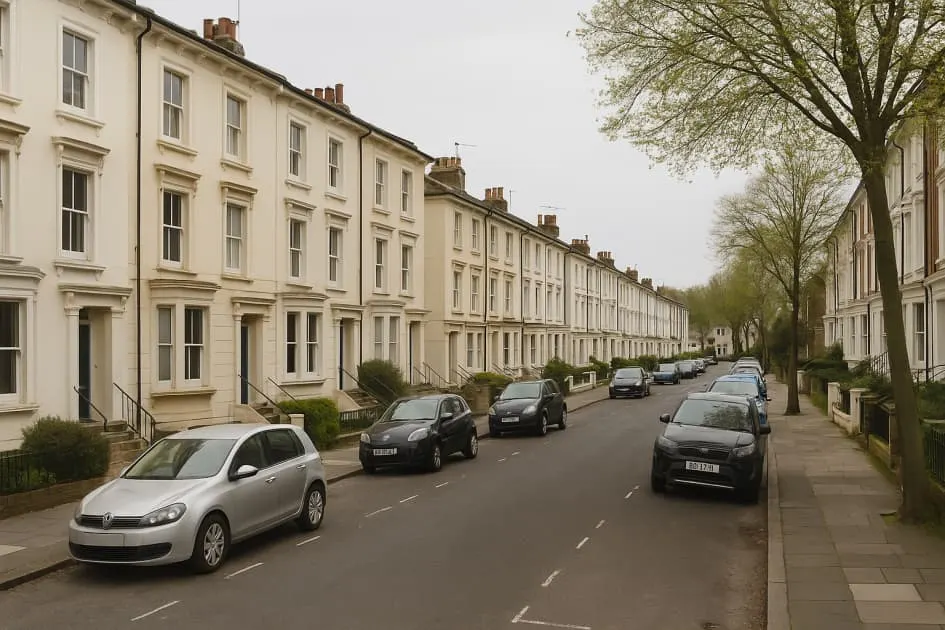
Hove's easiest moving windows are weekday mornings outside school holiday periods and away from the last working day of the month. Areas with mainly terraces and converted flats — for example parts of central Hove around Church Road and the Palmeira Avenue/Palmeira Square blocks — typically have quieter streets between 09:00 and 11:00 on mid-week days. At that time parking bays are more likely to be free, loading restrictions are being enforced predictably, and commuter traffic has eased. New-build developments and purpose-built mansion blocks near the seafront often have goods lifts and service yards; arranging to use those facilities early in the day reduces carry distances and speeds loading.

Why weekdays help in Hove

Weekdays lower pedestrian and leisure traffic on the promenade (A259/Kingsway) and reduce family footfall around Hove Lawns and Poets Corner in summer. Fewer parked cars on narrow residential roads means shorter carry distances from vehicle to flat or house. For properties with internal lifts or service entrances—common in newer blocks near Hove station—early weekday slots often let you complete multiple trips before midday, cutting overtime on the clock and reducing overall cost.

When timing research is done and you need the main booking page, start with removals in Hove and use Brighton moving timing guide for the broader regional picture.

You will often need to consider For a more practical planning sequence, use this page alongside moving guide for Hove and packing advice for moving in Hove. at the same time.

When moving in Hove is hardest

The toughest times are summer weekends, bank holidays, and the last working days of the month. Church Road and the seafront stretch become congested with shoppers and visitors; parking is at a premium and loading bays are frequently taken. Narrow terraces with no lift—typical of many older Hove houses—suffer longest carry distances when parking has to be left several streets away. Moves into upper-floor flats without lifts in Regency blocks can double loading time compared with ground-floor or lift-served properties.

Operational friction you will actually face

On busy days expect longer loading windows: time spent searching for legal parking, time waiting for a loading bay to be vacated, and extra personnel required to shuttle items across longer carries. For narrow streets and terraced houses around central Hove, an extra 30–60 minutes per large item is not unusual if a permit or loading bay isn’t pre-booked. When moving into a flat with no lift, factor in stair carries that increase manpower needs and risk of delays — all of which translate into higher costs and the need for advance planning.

Demand patterns: end-of-month, rental cycles and school holidays

Rental and academic cycles noticeably shape move timing in Hove. The end of the month (last working day and first working day of the next month) sees a cluster of moves as tenancies terminate and start. Because Brighton & Hove is a compact urban area, removals resources are pulled across both Brighton and Hove; this increases rates and reduces availability locally. Student departures around June–July add to the load on removal crews across the seafront and nearby residential streets, even if students are concentrated in central Brighton rather than Hove proper.

School holidays — particularly the long summer break — also shift local traffic. Families use Hove’s parks and seafront heavily, which increases pedestrian crossings and parked vehicles near popular streets, slowing down loading operations and making tight parking maneuvers more time-consuming.

Traffic patterns and their real-world implications

Main arteries such as the seafront road (A259/Kingsway) and approaches to Hove Station can become quickly congested during commuter peaks and summer weekends. Morning rush hours bring heavy flows towards Brighton; evening peaks reverse that. For moves scheduled during these times plan extra transit time between staging points and loading zones. Narrow residential roads off the main routes often rely on legal on-street parking; if those are full, movers will need a far shorter stop and longer carry, increasing labour time and cost.

Practical planning tips (location-specific)

  • Apply for a temporary loading bay or permit from Brighton & Hove City Council for streets around Church Road or Palmeira Square to avoid repeat circling and delays.
  • Book early in the week and outside the last working day of the month to reduce peak-rate surcharges and guarantee access to lifts in newer apartment blocks.
  • For terraced houses with no off-street parking, plan for extra personnel to manage long carries from van to doorstep—this is the main driver of time and cost in central Hove moves.
  • Check festival and event calendars for Brighton & Hove — Pride, major runs or seafront events often change parking arrangements across the seafront and local roads.

Weather and coastal factors that matter

Hove’s coastal location means wind and spray can affect moving conditions. High winds on the promenade make handling bulky items hazardous and slow packing/unpacking. Rain increases the need for protective coverings and adds drying time for soft furnishings; that increases total labour on-site. In winter months shorter daylight and wet pavements make stair carries more time-consuming, especially in older terrace properties with narrow steps.

Next steps and further local guidance

If you need more on timing across Brighton & Hove see the broader timing considerations at Brighton moving timing guide, or browse property-specific details and local constraints on the Hove removals hub at removals in Hove. For packing tips tailored to narrow stairs and damp coastal conditions, the local packing advice page can help: packing advice for moving in Hove.