Central Birmingham’s dense mix of converted flats, new build towers and commercial streets creates a set of practical, location-specific cost drivers. The examples below explain how access restrictions, operational friction and local rules translate into extra time and charges on a move within the city centre.
When you are ready to move from cost checks to the main service page, start with removals in Central Birmingham and use moving costs in Birmingham for the wider regional picture.
City-centre moves are prone to delays that translate directly into hourly charges. In Central Birmingham these delays often stem from waiting for access to service lifts in apartment blocks on Paradise or Broad Street, having to coordinate with concierge teams in new-build developments around Eastside, or being held at a gated courtyard while building management fetches keys. When a loading bay booking over-runs or a lift slot is missed, crews can be idle or forced to continue manually — both eat into the booked labour hours. Operational reality: a 30–90 minute hold-up in the centre commonly adds an extra hour of crew time on the invoice, because teams are scheduled tightly between nearby jobs.
Many streets in Central Birmingham are Controlled Parking Zones, pedestrianised or have dedicated commercial loading bays. Popular removal locations near the Bullring, Colmore Row and the Jewellery Quarter require either pre-booked loading bays or temporary suspension of parking bays. Birmingham City Council and private landowners charge for bay suspensions and some service lift slots demand a booking fee. If a suspension isn't arranged, crews may have to stop illegally and take a fine — or carry items farther from a legally parked vehicle — adding time and replacement porterage costs. Planning implication: securing a suspended bay or official loading bay booking in advance avoids on-the-day parking fines and reduced productivity.
You will often need to consider This issue is often linked with moving costs in Central Birmingham and property access challenges in Central Birmingham, so reviewing them together usually gives a clearer planning view. at the same time.
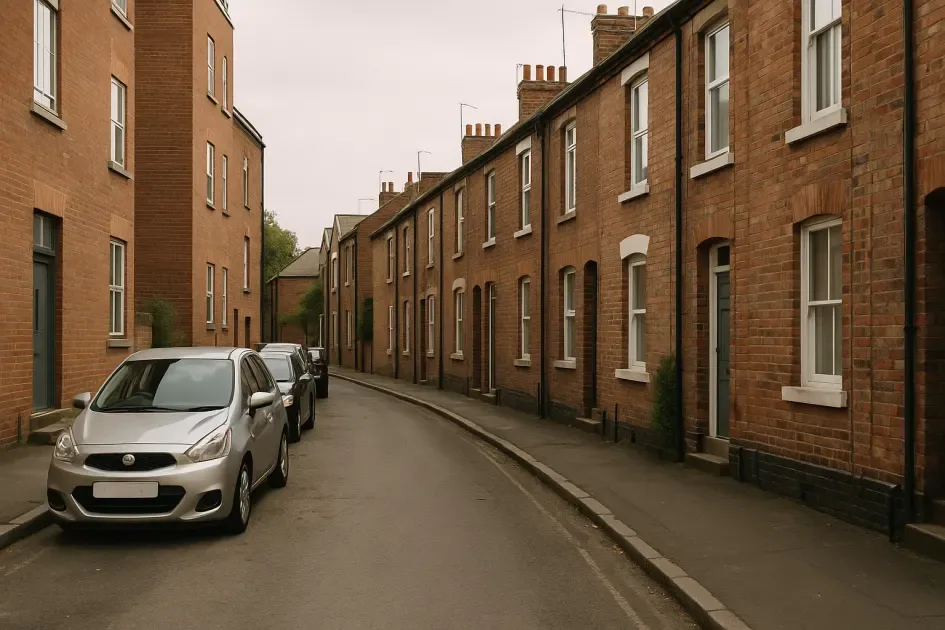
Central Birmingham has many converted warehouse flats and traditional terraced houses where the van cannot pull up at the building entrance. In Jewellery Quarter conversions and some terraced streets you can face long carries across cobbled lanes or through archways to reach internal staircases. Where lifts are absent or too small for sofas and wardrobes, crews must carry items up narrow stair flights — often requiring two or more operatives and additional time. Real-world cost impact: every 10–15 metres of extra carry or each flight of stairs typically adds to labour charges and increases the chance that specialist disassembly or protective equipment is needed.
Tower blocks and modern developments in Central Birmingham (for example around Smithfield and Eastside) often provide service lifts but with strict booking windows and size/weight limits. If a bulky item does not fit the service lift, or the lift is already booked for other deliveries, moving crews must use the building’s passenger lifts (usually forbidden) or carry items manually, increasing both time and risk. Buildings with concierge or estate management often require an authorised sign-in and an escorted loading period; missing the agreed time can mean parking is rescinded or additional management fees are applied.
Central Birmingham experiences pronounced peak periods, pedestrian priority hours, and temporary event closures that affect access. Delivery bans or bus-gate rules on certain streets mean removal vehicles must use longer routes or wait for restricted windows, increasing mileage and on-street time. On match- or event-days near city venues traffic diversions can force a move to be postponed or stretched across the day — a direct operational risk that adds crew hours and can trigger rebooking penalties if subsequent customers are affected.
Because most removal firms schedule several jobs in a day, a single overrun in Central Birmingham (from an unexpected stair carry, permit delay or traffic diversion) can force rebooking. That rebooking has two consequences: first, you may pay additional cancellations/rebooking fees; second, the need to rearrange a slot at an official loading bay or with building management can take days, delaying the whole move. In practice, dense urban scheduling means overruns are more likely and more costly in Central Birmingham than in suburban areas.
Budget for extra labour hours specifically tied to stairs and long carries in converted flats; check whether your chosen building requires a loading-bay suspension or service-lift booking; and confirm whether the move date conflicts with known events or market days. For overall pricing context see the Central Birmingham parent page at removals in Central Birmingham and the wider cost drivers on moving costs in Birmingham. For detailed, local examples of permit- and building-manager charges see moving costs in Central Birmingham.
Answers to frequent questions about unexpected charges and logistic risks specific to moving in Central Birmingham, including permits, long carries and building access.
Yes — many city-centre streets, especially around commercial corridors (Colmore Row, High Street, Broad Street and near the Bullring), restrict parking and loading. Temporary bay suspensions or loading-bay bookings with Birmingham City Council or private landowners are often necessary. These need to be arranged in advance and can incur admin and per-bay fees.
Converted flats in the Jewellery Quarter and older Georgian/Victorian buildings often have narrow staircases and long corridors from street to flat entrance. Moves requiring multiple crew members to carry bulky items up narrow flights or across courtyards add labour hours and sometimes specialist equipment, which increases cost and time on the day.
Potentially — the city centre falls within Birmingham’s regulatory schemes for certain larger vehicles. Non-compliant heavy removal vehicles can incur daily CAZ or emission-related charges; organisers may need to use compliant vehicles or budget for the charge when planning a Central Birmingham move.
Waiting-time charges occur when crews are delayed at origin or destination. In Central Birmingham common causes are hold-ups at service lifts in new-build apartments, building managers needing extra authorisation, stalled traffic in pedestrian-priority zones, or time taken to get temporary bay suspensions in place. Each hour of delay typically increases labour costs and can cascade into rebooking other bookings.
Events at venues like the Utilita Arena (city centre event days), markets and weekend shopping spikes around the Bullring cause increased congestion and restricted delivery windows. This can force later arrivals or longer on-street waiting, turning a planned two- to three-hour move into a half-day operation with attendant extra costs.
Because the crew spends more time walking, repositioning and waiting. In Central Birmingham, where factors such as permit-controlled streets, loading restrictions across central quarters, mixed-use districts and short-stay bays, commercial loading zones where move timing has to be tightly planned are common, a weak stopping position becomes a tax paid in minutes.