Pinner Hidden Moving Costs – Delay Risks That Quietly Push Costs Up

Hidden moving costs in Pinner usually come from lost time rather than from surprise add-ons. Small delays add up when access is awkward, the van stands farther away than planned, or the route through the building is slower than expected.

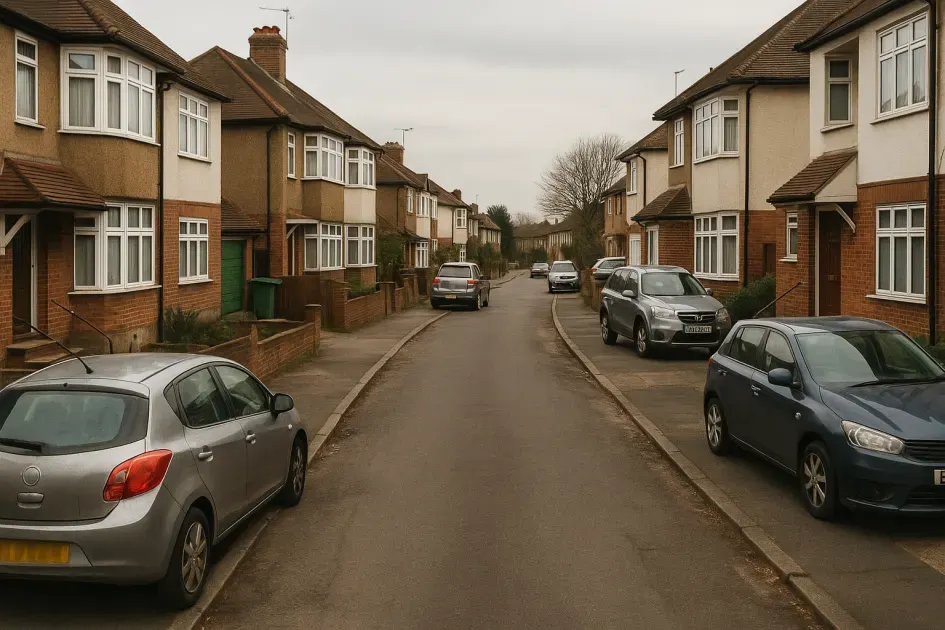
Pinner is often shaped by 1930s semis with front drives, larger Metroland houses with long front gardens, and apartment blocks near the centre with controlled entry and shared lifts. In practice, that can create extra minutes through longer carries, lift waits, repeated door checks or slower handling at tight turns, and those minutes are where quiet overspend usually appears.

When you are ready to move from hidden-cost checks to the main move page, start with man and van in Pinner.

For the wider picture across the area, refer to moving costs in Watford.

Quick summary

  • Unexpected cost pressure usually comes from time leakage, not mystery fees.
  • Watch for longer garden paths, side access routes, tighter forecourt positioning, controlled entrances, and parking pressure closer to the station and town centre.
  • Loading time often matters more than the drive itself when a job starts to run over.

Why hidden costs behave differently in Pinner

Most hidden cost risk comes from details that seem minor in advance. In Pinner, driveways help in some streets, but they do not always create a clean loading line if cars, steps or narrow paths interrupt the route, and the same is true of lifts, shared entrances and awkward internal routes. When those points are not clear early, the move can become less efficient without anyone noticing until the day is already running long.

You will often need to consider This issue is often linked with moving costs in Pinner and property access challenges in Pinner, so reviewing them together usually gives a clearer planning view. at the same time.

Find My Man and Van still operates as one managed booking platform with one clear move price and vetted local drivers. If you are weighing up likely spend, the most helpful question is where time could be quietly lost, not whether the route looks short on a map.

Local examples and planning scenarios

A typical example is a move that looks local and simple but contains several slow steps once loading starts. In Pinner, that might mean front steps, side passages, lift waits, and longer carries from a practical stopping point to the front door. Each element is manageable on its own, yet together they can stretch a modest job beyond its expected rhythm.

For the other issues that often trigger unexpected spend, compare moving costs in Pinner and property access challenges in Pinner. When you are ready to move from risk-checking to the booking page, return to local man and van in Pinner.

Practical advice before booking

  • List every access step between the room and the van, even if each step seems minor.
  • Say whether keys, fobs, lift bookings or concierge approval are part of the route.
  • Flag any item that is likely to slow turning space or stair handling.
  • Build the schedule around the cleanest loading window rather than the nominal travel time.

Use this page to spot avoidable cost creep, then use the local man and van in Pinner page when you want the actual service route. That keeps the support page useful without blurring into the main booking page.


Pinner Hidden Moving Costs FAQs

Common questions about the quiet delays that can stretch a move in Pinner.

Yes. Lift delays can interrupt the work rhythm repeatedly, and that matters more than people expect. In apartment-led parts of Pinner, they can quietly extend the total job time.

The common hidden costs are usually hidden time multipliers rather than separate charges. In Pinner, they often come from courtyard access, narrow approaches and long front gardens, side paths that increase carry distance from van to door, permit-controlled residential roads close to the town centre, station limit daytime kerb access and driveway loading is common on outer residential streets, but van positioning can be tight where cars occupy forecourts, and repeated carry distance.

Absolutely. When the internal path is longer than expected, every trip takes more time, and moving jobs are made of many repeated trips. The arithmetic becomes rude very quickly.

Because the crew spends more time walking, repositioning and waiting. In Pinner, where factors such as permit-controlled residential roads close to the town centre, station limit daytime kerb access and driveway loading is common on outer residential streets, but van positioning can be tight where cars occupy forecourts are common, a weak stopping position becomes a tax paid in minutes.

They can be. If factors such as weekday commuter pressure slow arrival, stopping or unloading, the job can drift beyond the comfortable estimate even when the inventory itself is straightforward.

Surface the awkward details early. The more honestly the access route, loading position and timing pressure are described, the fewer surprises show up later as overrun.