North London Property Challenges – Access, Layout and Building-Type Friction

Property challenges in North London are usually about layout rather than distance. This page focuses on the housing types, access shapes and handling issues that can make a move easier or slower once the crew starts working.

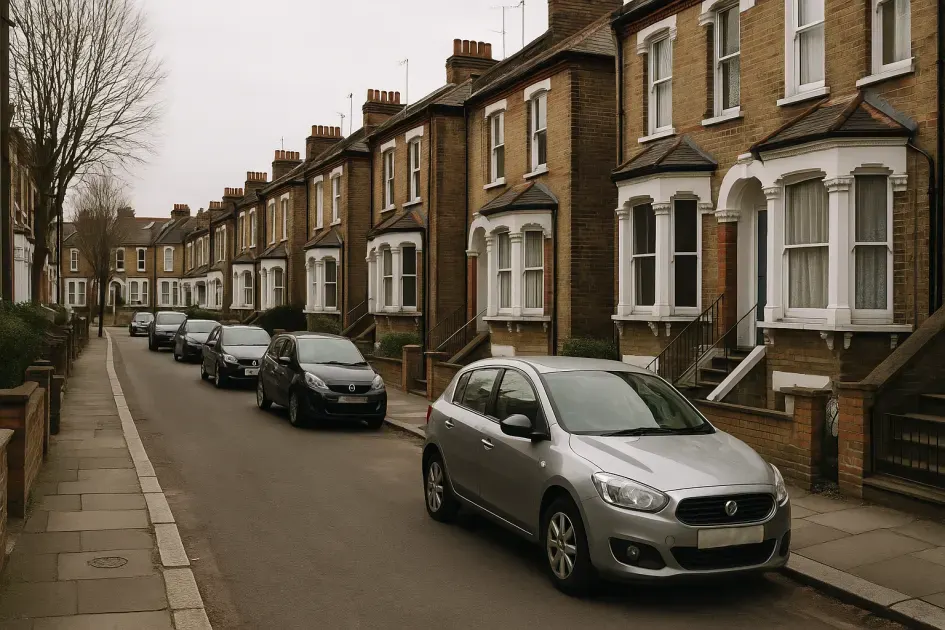
North London is often shaped by Victorian terraces split into flats, interwar semis on quieter residential streets, and purpose-built apartment blocks with managed entrances. That mix affects how furniture leaves the property, how predictable the loading route feels and whether larger items can move straight out or need more careful handling.

North London man and van service is the main booking page for checking availability, pricing and move details in one place.

Quick summary

  • Property difficulty usually comes from route geometry, not postcode.
  • The main issues in North London are often controlled parking zones, tighter kerb space, shared entrances, lift bookings in larger blocks, and busier approach roads at peak times.
  • Getting bulky items out of the building can have more impact than the drive afterwards.

Why property access behaves differently in North London

Two nearby homes can create completely different moving conditions. In North London, a flat with managed entry may behave very differently from a terrace with a tight hallway or a family home with a long front path. That is why access planning needs to reflect the exact property, not just the area name.

The service is still delivered through one coordinated booking platform with vetted local drivers and a single booking journey. This helps you avoid delays on moving day because the practical detail is where the job is usually won or lost.

For the wider picture across the area, refer to Watford borough comparison guide.

Local examples and planning scenarios

Challenges here often come from ordinary domestic layouts rather than dramatic obstacles. In North London, that can mean upper-floor flats, shared hallways, basement storage, and short but stop-start carries between the entrance and the van, or large items that fit the room comfortably but need slower turns through the exit route.

For the planning issues most often linked to access and layout, compare parking permits for moving in North London and moving costs in North London. When you want the main service page again, return to man and van services in North London.

Practical advice before booking

  • Describe the full route from room to van, including porches, side gates, lifts and communal areas.
  • Measure tight turns for large furniture rather than assuming it will come out the way it came in.
  • Flag steep paths, narrow hallways or upper floors early.
  • Check whether the loading position supports a direct route or a longer carry.

Use this page to understand property-related friction, then use the man and van services in North London page when you want the booking step. That keeps the support guide focused on access complexity instead of competing with the battlefield page.


North London Property Challenges FAQs

Common questions about building access and property layout in North London.

Very often. A converted building may look straightforward outside while hiding tighter stairs, less predictable lift access or longer internal routes once the job starts.

In North London, the hardest properties are usually the ones where the route is indirect rather than simply large. Property types such as permit-controlled Victorian terraces split into small flats around Crouch End and Stroud Green and 1930s semis and interwar houses with short drives in Finchley and Muswell Hill side streets can all create friction in different ways depending on how the access path behaves.

Yes. Stairs and split routes affect every repeated trip, so they change the pace of the whole move rather than creating just one awkward moment.

Because they can introduce waiting points, access control and route narrowing. They are manageable, but they need to be planned for honestly.

Measure doorway widths, stair turns, lift dimensions where relevant, and the real path from the furthest loaded room to the van position.

Yes. Lofts, garages and secondary storage areas spread the inventory across more space, which lengthens the loading phase even when the property looks manageable from the front door.