What matters operationally
A good route plan protects the valuable minutes at the property. The real objective is not simply to avoid traffic but to reach the address when the bay, permit window or lift slot is actually usable. If the van gets there too late, too early or from the wrong approach, the crew loses time waiting, circling or carrying from too far away. On busy Swansea jobs, loading time usually outweighs driving time once the van is on site. Those access constraints feed directly into how moving costs are shaped by access and time. The timing side of that is explored further in when Swansea moves tend to take longer. That is visible in areas such as man and van services in Landore. Comparable route constraints also appear in man and van services in Neath.
How to plan around restrictions
Check the legal stopping point before you finalise the route. Confirm bay hours, one-way approaches, permit needs and any building intake rules such as lift reservations, key collection or concierge sign-in. Then allow buffer for the routes that regularly bunch up, especially during school-run periods, commuter peaks and event traffic. If you are planning a move, this helps you avoid delays on the day.
Eight route-planning variables in Swansea
Traffic timing patterns
Commuter peaks and school-run periods can slow the main approaches into the city and reduce the chance of finding a good loading gap on arrival. Picking the right window often saves more time than trying to shave minutes off the route itself.
Central access constraints
Pedestrianised streets, one-way grids and bollarded sections mean the van may have to approach from a specific side or use a defined loading point. Missing that detail can turn a simple arrival into a longer detour.
Kerbside loading conditions
Timed bays, short-stay limits and bus-lane restrictions determine whether the van can work close to the entrance. If the stop is wrong or the bay is unavailable, the carry lengthens and the pace drops immediately.
Building access limitations
Lift booking, concierge approval and goods-lobby hours can cap how quickly items move from the entrance to the flat or office. Even a well-routed journey loses value if building access is not lined up properly.
Route predictability and delays
Temporary works, poor weather and event setups can make Swansea routes less reliable than they look on a map. A secondary route matters because the bigger risk is missing the working window at the destination.
Vehicle suitability and access
The best van is the one that can actually position where it needs to. Height restrictions, tight turns and narrow streets can make a larger vehicle less efficient if it forces a longer carry from the legal stopping point.
Parking and permit constraints
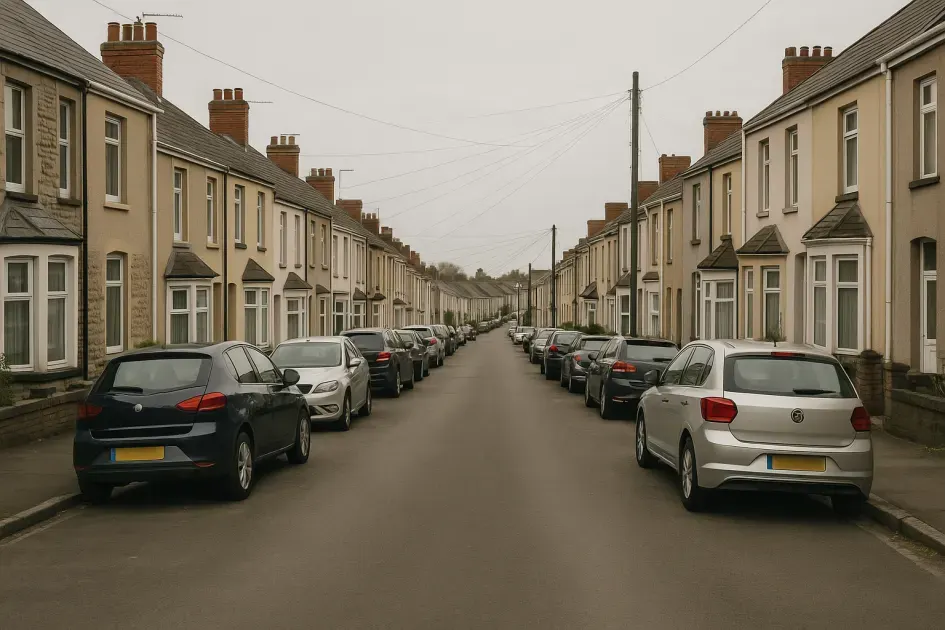
Permit-only streets and residents’ bays near terraced housing restrict stopping options. Organising the permit properly keeps the van close and avoids wasting time circling or re-parking mid-job.
How clean-air or charge-zone rules affect moves in Swansea
No active clean-air or charge zone currently applies in Swansea. The practical issue is still access: timed loading periods, pedestrianised blocks and managed entry points decide where the vehicle can stop and how long it can remain there. Planning for those details keeps the route efficient even without a zone charge.
Practical route-planning examples
Example 1: Terrace house on a permit street with school-run congestion. The job works best with a visitor permit, a later morning arrival and a van positioned within direct sight of the entrance.
Example 2: City-centre flat with a timed loading bay. The route only works if arrival lines up with the bay and the lift slot, otherwise the crew loses more time waiting than driving.
Example 3: Apartment near a pedestrianised block. The important detail is the legal approach road and where the trolley route starts, not the postcode distance alone.
Example 4: Mixed household and storage drop. Sequencing the central stop first during its quieter loading window protects the rest of the day.
Example 5: Event day near the arena. A fallback bay on the nearest legal side street keeps the move workable if the primary access point is marshalled or blocked.
Practical route-planning checklist
- Timed loading bays → Confirm hours in writing and align van arrival so unloading starts immediately within the permitted window.
- Permit-only streets → Secure a visitor permit or temporary dispensation and display it before the first item leaves the vehicle.
- Pedestrianised or one-way grids → Map the legal approach and an alternative route to avoid last-minute diversions.
- Building-managed access → Reserve the lift and loading bay, and share the on-day contact so crews are not held at reception.
- Long kerb-to-door carry → Bring dollies and straps, stage items at the entrance and keep the van loading continuously.
Apply neighbourhood context
Street width, bay timings and permit rules vary by area, so route planning should be built around the exact neighbourhood and building rather than the city route alone.