What affects cost planning for moves in Swansea
The clearest cost driver is how long the crew spends carrying, loading and unloading. A short drive does not guarantee a low bill if the property has stairs, the van cannot park nearby or the building introduces lift waits and loading rules. On many local jobs, loading time usually outweighs driving time.
Distance still matters, but it is usually secondary. What changes the price most is how many efficient trips the crew can complete in an hour. A ground-floor flat with close parking can move quickly. A similar-sized property with a distant bay, shared lift or long corridor often needs far more time. That pattern is also reflected in how neighbourhood layout changes moving time. A useful local example can be seen in man and van services in Landore.
Traffic timing also plays a part. School-run periods, commuter pressure and tight delivery windows can reduce flexibility between addresses. Scheduling pressure becomes clearer when viewed alongside Swansea demand patterns at different times.
What affects cost planning for moves in Swansea
| Cost driver | What changes the time | Why it affects total cost |
|---|---|---|
| Parking access | Distance from van to door and certainty of a legal bay | Longer carries and bay searches add repeated handling time across the whole move |
| Building layout | Stairs, narrow corridors, lift size and booking windows | Slower carries and waiting periods increase the hours charged |
| Van size / movers | Capacity and crew available for bulky or awkward items | The right setup reduces shuttle trips and slow manual handling |
| Route timing | School-run or commuter congestion and fixed delivery windows | Travel delays can eat into loading time and extend the working day |
Typical move price patterns in Swansea
Because labour is billed by time, total cost usually rises with the number of hours needed to complete the job. Two similar properties can price quite differently when one has direct driveway access and the other needs a permit, a long carry or repeated stair trips.
| Move type | Typical time range | What affects duration |
|---|---|---|
| Student room or small studio | Short session | Close parking and ground-floor access keep the pace up; stairs or distant bays slow it down |
| One-bedroom flat | Half-day | Lift availability, corridor length and carry distance usually decide the pace |
| Two-bedroom terrace or flat | Extended half-day | Parking patterns, stairs and furniture dismantling add time |
| Family home or multi-stop move | Full day or staged day | Volume, storage areas and route timing create longer handling windows |
Cost examples by move type
Example 1: Small studio, ground-floor to ground-floor
A modest load with close parking at both ends and no awkward access points. Because the crew can keep moving without long walks or pauses, the job stays within a shorter working window.
Example 2: Small move with permit parking and a long carry
The load is similar to Example 1, but the nearest legal space is further away. The longer carry slows every trip, so the final time and cost rise even though the drive itself is brief.
Example 3: One-bedroom flat with lift booking
The move depends on a shared or reserved lift. When the lift is busy or tightly timed, the crew waits between trips and the pace drops, which adds labour time.
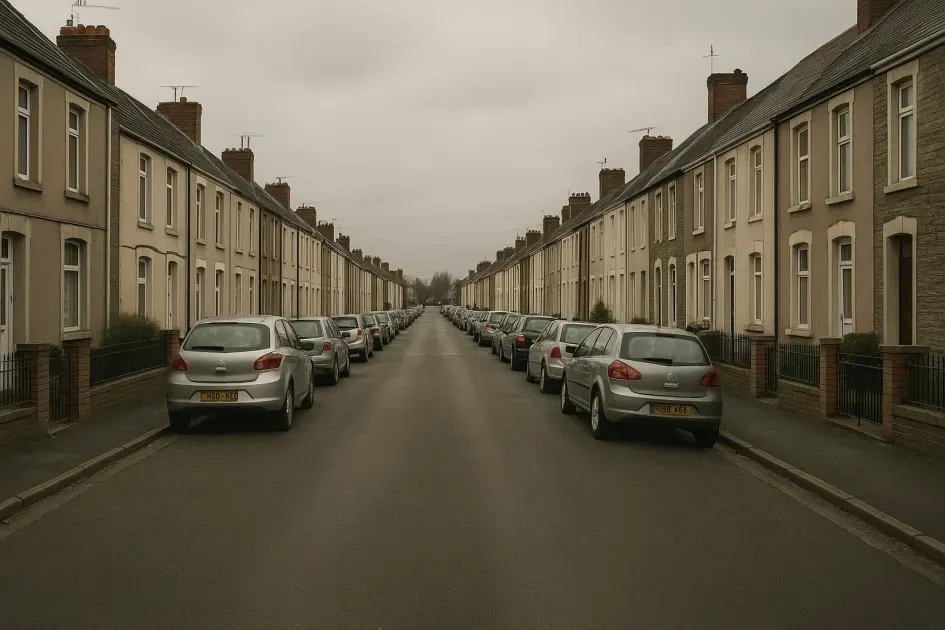
Example 4: Two-bed terrace on a tight residential road
Street layout limits where the van can stop and parking may sit around a corner. The volume is manageable, but repeated longer carries push the move into a longer session.
Example 5: Apartment to apartment with loading bay and furniture dismantling
The move includes admin for bay access plus extra handling for dismantling and reassembly. Even when the distance is short, those added stages create a noticeably longer working day.
How to keep the move efficient
- Permit or controlled parking → Arrange visitor permits or a pre-approved loading spot so the van can park close to the entrance.
- Tight terrace streets → Coordinate with neighbours or reposition your own car the night before to free a legal space near the door.
- Long carry routes → Stage packed boxes and small items near the exit without blocking walkways.
- Stairs or narrow corridors → Break down bulky furniture and pack manageable boxes so each trip stays efficient.
- Lift booking rules → Reserve the goods-lift and confirm times with building management before the day.
- Peak traffic windows → Schedule outside school-run and commuter peaks to keep travel more predictable.
- Loading bay controls → Pre-register vehicle details and confirm any height or length restrictions in advance.
- Scope clarity → Share accurate inventories and access photos so the right van size and crew are allocated.
Across Swansea, parking layouts and housing density vary: terraces with limited kerbside space, apartment blocks with managed bays, and estates with mixed access. Conditions in Landore, Llanelli, Morriston and Neath can change loading distance and timing; plan for the specific street and building rules at each address.
We provide man and van services across the wider area, including man and van services in Porthcawl, with bookings managed through one platform and handled by vetted local drivers.