What affects cost planning for moves in Stevenage
The clearest way to understand pricing is to look at where time is gained or lost. A house with driveway parking, wide access and straightforward rooms can move faster than a smaller flat with resident bays, a long corridor and a shared lift. If you are planning a move, this is what usually matters most: how many clean, uninterrupted loading cycles the crew can achieve before access or waiting slows the job.
Stairs increase cost because each trip carries fewer items and bulky pieces need more control. Parking restrictions add cost when the van must stop further away or when a crew has to protect a timed bay. Managed blocks can be efficient, but only when lift bookings, concierge procedures and arrival times all line up. Scheduling pressure becomes clearer when viewed alongside Stevenage demand patterns at different times.
What affects cost planning for moves in Stevenage
| Cost driver | What changes the time | Why it affects total cost |
|---|---|---|
| Parking access | Permit zones, limited bays, longer kerb-to-door carries | More walking or waiting extends loading, adding billable labour hours |
| Building layout | Stairs, narrow corridors, long internal routes, lift queues | Slower handling and fewer items per trip increase the duration |
| Van size / movers | Small van needs extra trips; too small a team slows heavy carries | Additional trips or slower carries extend the schedule and cost |
| Route timing | School-run and commuter peaks, roadworks or diversions | Unpredictable travel windows add idle time and reduce loading flexibility |
Typical move price patterns in Stevenage
Pricing usually scales with duration because labour time is the largest part of the bill. Two jobs covering similar distance can land very differently: one may fit neatly into a short working window, while another stretches because parking is poor or a flat has more constrained access than expected.
| Move type | Typical time range | What affects duration |
|---|---|---|
| Room or studio within town | Brief slot to half-day | Proximity of parking, number of boxes, any stairs |
| 1-bed flat (lift available) | Half-day | Lift wait times, corridor lengths, furniture disassembly |
| 2-bed terrace across town | Most of a day | Kerbside space, stairs both ends, carry distance to the van |
| 3-bed house to nearby town | Full day | Volume, access for a larger van, timing around traffic peaks |
Cost examples by move type
Example 1: Small room move with driveway access
Items move from a furnished room to a ground-floor flat with easy stopping at both ends. Short carries and little dismantling keep labour time compact, so the final cost stays contained.
Example 2: Small move with permit parking at drop-off
The load is similar, but the destination uses permit parking and the van cannot hold a close position. Repeated carries over a longer distance stretch the schedule and raise the labour element.
Example 3: 1-bed flat to 1-bed flat, stairs at one end
The drive is short, but stair carries and tighter turns slow furniture handling. This is a common example of why loading time usually outweighs driving time on a local move.
Example 4: 3-bed house within Stevenage, easy access both ends
The load is larger, but driveways at both properties and a correctly matched crew keep the job moving in a stable rhythm. Good access helps control the total even on a fuller day.
Example 5: City-centre flat to managed block with loading bay
The move depends on a reserved bay and goods-lift slot. If arrival drifts or the lift queues, labour time grows quickly because the crew is still on site even when unloading pauses.
How to keep the move efficient
- Permit-only streets → Arrange visitor permits or paid sessions in advance so the van can stop close and stay there legally.
- Long kerb-to-door carry → Stage boxes near the exit beforehand and keep the route clear to reduce walking on every trip.
- Stairs or a slow lift → Pack manageable boxes, pre-wrap furniture and keep loose items under control so handling stays steady.
- Managed buildings → Reserve the lift and loading bay early, and confirm any building rules before moving day.
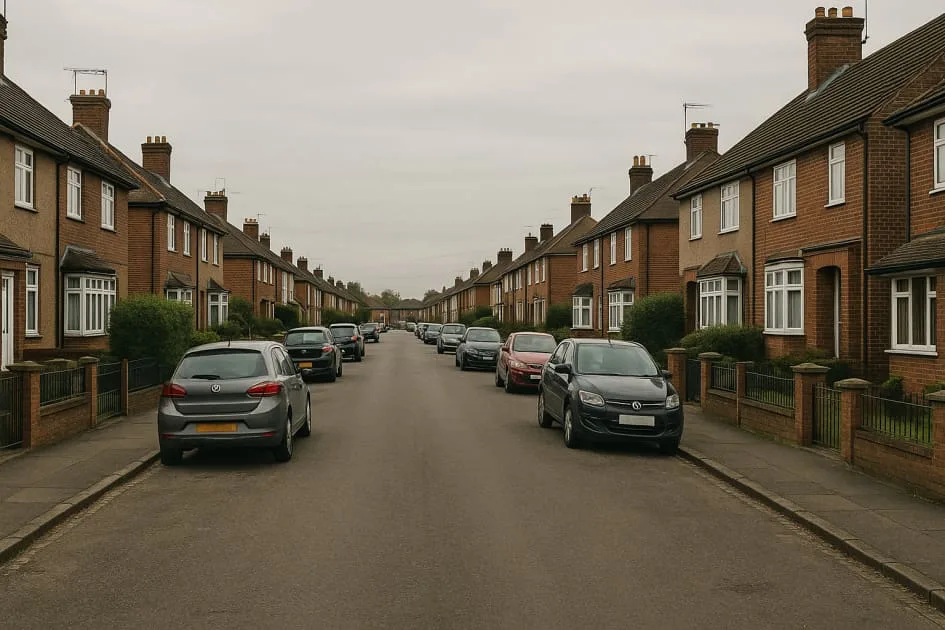
- Tight residential roads → Share street photos, access notes and vehicle limits so the right van is allocated first time.
- Peak traffic windows → Choose a start time away from school-run and commuter peaks to protect the working window.
- Disassembly needs → Remove bed frames, shelves and detachable parts in advance and bag the fittings clearly.
- Information accuracy → Provide a full item list, floor numbers and parking notes so the quote matches the job properly.
Stevenage and nearby areas vary in parking layout, housing density and street geometry. Some addresses allow direct loading from a driveway, while others rely on resident bays, longer paths or internal routes, and those differences are what change the hours required.